
What's Happening?
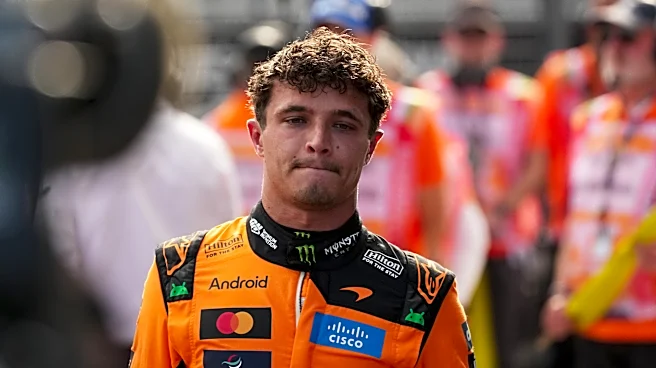
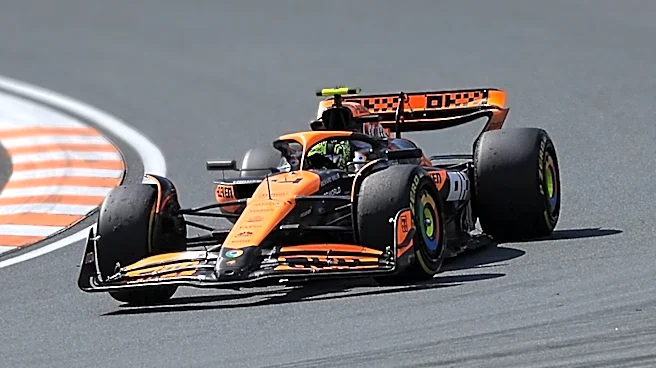
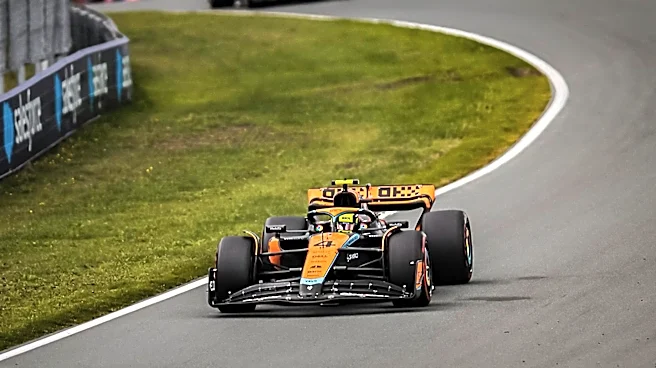
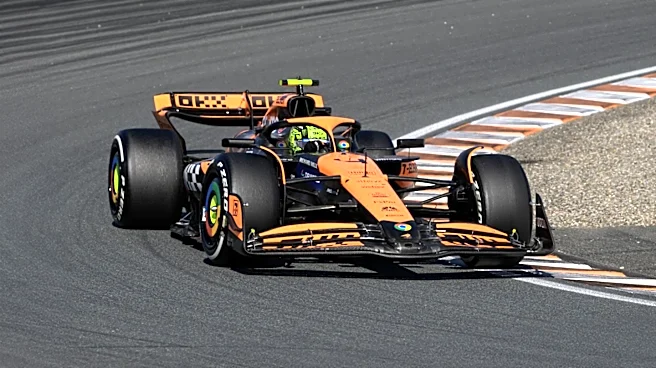
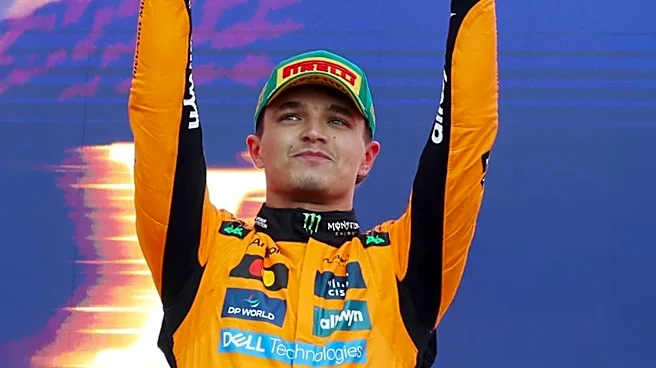
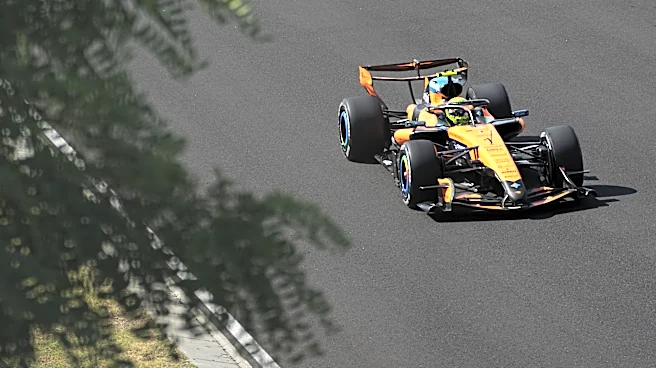
Lando Norris secured his first victory of the 2026 Formula 1 season at the Hungarian Grand Prix, thanks to significant upgrades to McLaren's car. The improvements, described by McLaren team principal Andrea Stella as a 'course correction,' were crucial
in overcoming the challenges faced by the team after focusing heavily on last year's championship. The upgrades included changes to the front wing, bargeboards, and rear brake ducts, which collectively enhanced the car's aerodynamics and stability. These developments were not specific to the Hungarian track, indicating McLaren's strategic direction for the remainder of the season. Norris' win, despite initial competition from teammate Oscar Piastri, highlights McLaren's potential resurgence as a competitive force in Formula 1.
Why It's Important?
This victory is significant for McLaren as it marks a potential turning point in their 2026 season, providing much-needed momentum and validation of their development strategy. The upgrades not only improved the car's performance but also demonstrated McLaren's ability to adapt and innovate in response to competitive pressures. This success could influence the team's standing in the constructors' championship and boost morale within the team. For the broader F1 landscape, McLaren's advancements may prompt rival teams to reassess their own strategies and development paths, potentially leading to a more competitive season. The win also reinforces Lando Norris' position as a key driver in the championship, enhancing his reputation and marketability.
What's Next?
Looking ahead, McLaren plans to introduce further upgrades at the next race in Zandvoort, aiming to build on their recent success. The team's ability to maintain and enhance their performance will be crucial in sustaining their competitive edge. Other teams are likely to respond with their own developments, setting the stage for an intense battle in the upcoming races. McLaren's progress will be closely watched by industry analysts and fans, as it could signal a shift in the competitive dynamics of the 2026 F1 season.