





What's Happening?
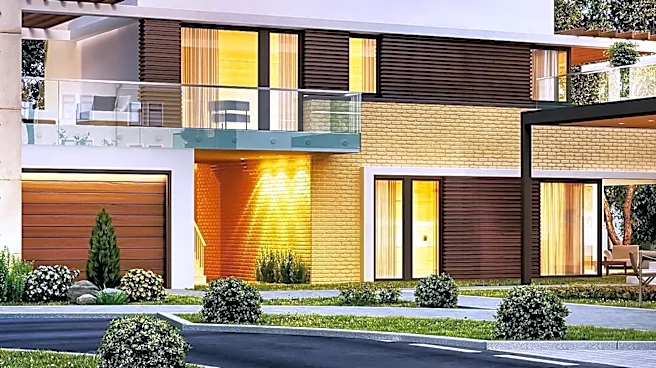
Total Environment has introduced a new concept in residential real estate in Frisco, Texas, with its 'human-scale homes' in the Tapestry community. These homes, exemplified by a four-bedroom, five-bath, 4,420-square-foot property at 14867 Little Bluestem
Ln., prioritize natural living and sustainable design. Key features include top-down insulation and geothermal temperature control, contributing to a quiet indoor environment. The architectural design blurs the lines between interior and exterior spaces through floor-to-ceiling windows and sliding doors, with every room offering a personal exterior space like a side yard or garden balcony. Materials such as raw-wood textures and sculptural curved ceilings are used to foster a connection with nature. The exteriors are characterized by terracotta brick and native grass roofs, which are maintained by a dedicated HOA and offer benefits like lower energy bills and enhanced structural integrity. Modern amenities are also integrated, such as a chef’s kitchen equipped with Wolf appliances.
Why It's Important?
This development signifies a shift in residential real estate towards more sustainable and nature-integrated living spaces in the U.S. The emphasis on geothermal temperature control and natural insulation can lead to reduced energy consumption for homeowners, aligning with broader environmental sustainability goals and potentially lowering utility costs. The use of native grass roofs not only contributes to the aesthetic but also offers practical benefits like improved insulation and stormwater management, setting a precedent for eco-conscious construction. The design philosophy, which prioritizes peace and a connection to the earth, could influence future residential developments, catering to a growing demand for homes that offer respite from urban noise and stress. This approach could also impact the market by introducing new standards for luxury and comfort that extend beyond traditional opulence to include environmental harmony and well-being.
What's Next?
The introduction of these human-scale homes in Frisco could lead to increased interest and adoption of similar sustainable and nature-integrated residential designs across other U.S. markets. If successful, other developers may begin to incorporate features like geothermal systems, advanced insulation, and natural material palettes into their projects. The concept of HOA-maintained native grass roofs might also gain traction, potentially influencing local zoning laws or building codes to encourage more green infrastructure in residential areas. The market response to these homes, particularly regarding their energy efficiency and lifestyle benefits, will likely dictate the pace of broader adoption. Furthermore, the success of this community could spur further innovation in sustainable building materials and construction techniques, as developers seek to meet evolving consumer preferences for environmentally friendly and health-conscious living environments.
Beyond the Headlines
The emergence of human-scale homes like those in Frisco reflects a deeper cultural shift towards holistic well-being and environmental consciousness in the U.S. housing market. Beyond the immediate benefits of energy efficiency and aesthetic appeal, these homes represent a re-evaluation of how living spaces impact mental and physical health. The design's focus on quietness, natural light, and seamless indoor-outdoor transitions addresses growing concerns about urban stress and disconnection from nature. This trend could foster a greater appreciation for biophilic design principles, where natural elements are integrated into modern architecture to improve occupant well-being. Ethically, it highlights a move towards more responsible land use and resource management in construction. Legally, it might prompt discussions around incentives for green building practices and stricter environmental standards for residential developments, pushing the industry towards a more sustainable future.