


What's Happening?
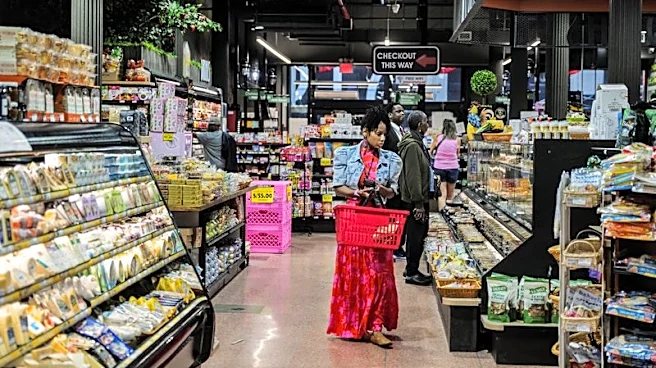
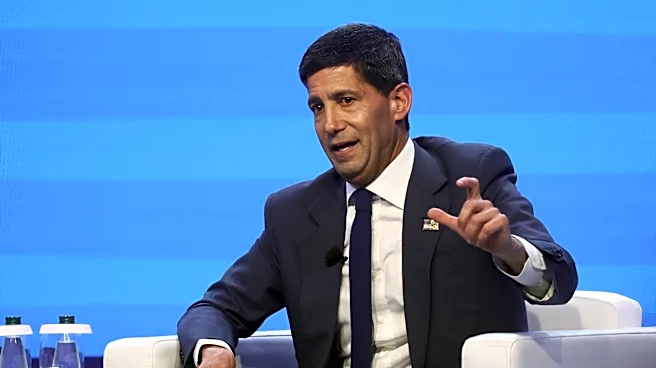
Economist John Lonski, in an interview with Stuart Varney on Fox Business, highlighted persistent concerns over the sustainability of economic growth due to ongoing inflation. Lonski noted that while the third quarter saw a 3.4% rise in real GDP, real after-tax
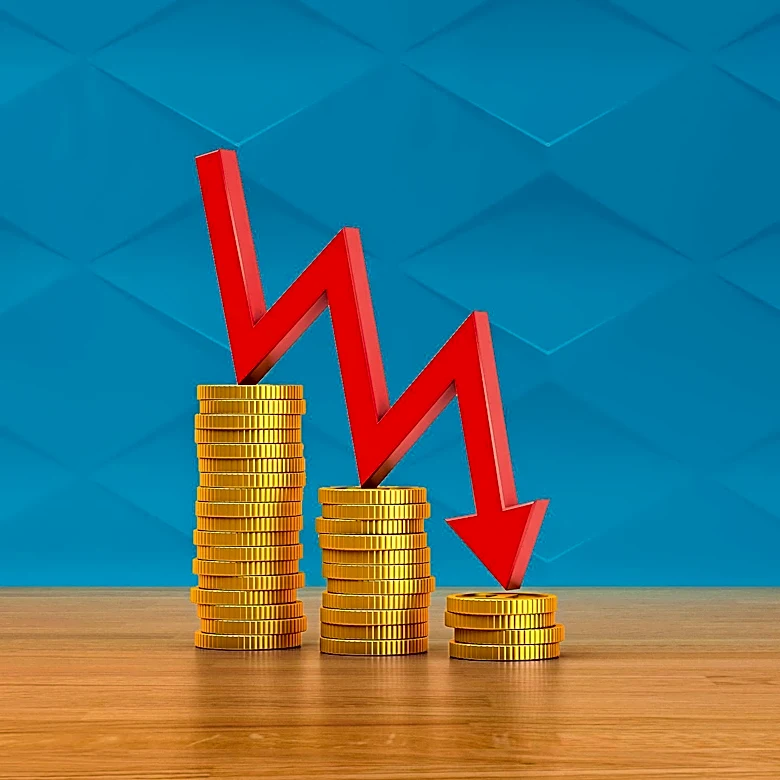
income experienced a decline of 3/10 of a percent in September. This decline in real income, directly attributed to rising inflation, indicates that consumer spending power is being eroded despite overall economic expansion. Lonski explicitly warned that these inflationary pressures continue to pose a significant problem for the economy, suggesting that the current growth trajectory might not be sustainable if inflation remains unchecked and continues to impact household finances negatively.
Why It's Important?
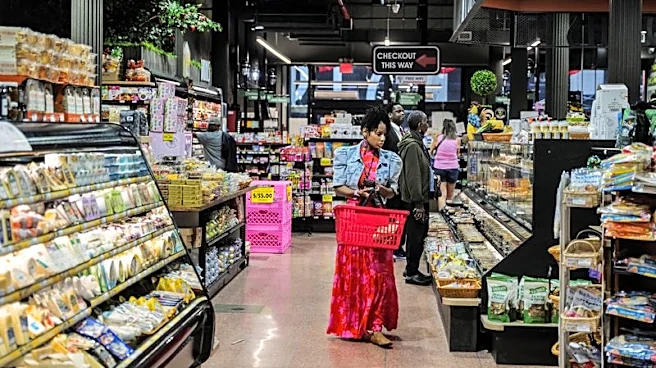
John Lonski's warning to Stuart Varney about persistent inflation being a significant problem for economic growth is crucial for U.S. industries, consumers, and policymakers. Rising inflation erodes the purchasing power of consumers, leading to a decline in real after-tax income, as highlighted by Lonski. This directly impacts consumer spending, which is a major driver of the U.S. economy. Businesses face increased costs for raw materials and labor, potentially leading to higher prices for goods and services, further fueling the inflationary cycle. For policymakers, this situation presents a dilemma: how to curb inflation without stifling economic growth. If inflation continues unchecked, it could lead to reduced investment, slower job creation, and a general downturn in economic activity, affecting nearly all economic stakeholders.
What's Next?
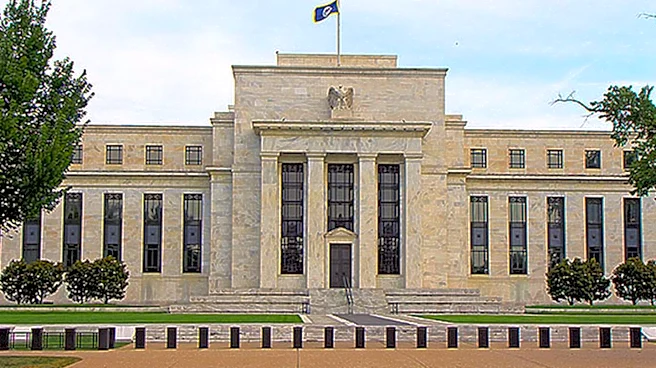
Given John Lonski's assessment, the Federal Reserve and other economic policymakers will likely continue to monitor inflation data closely, particularly PCE inflation, which pressures consumer spending. Future monetary policy decisions, such as interest rate adjustments, will be heavily influenced by these trends. Businesses may need to adapt by finding ways to absorb rising costs or pass them on to consumers, potentially impacting pricing strategies and profit margins. Consumers, facing declining real incomes, might adjust their spending habits, prioritizing essential goods and services over discretionary purchases. The ongoing debate will center on whether current economic growth can withstand these inflationary pressures or if more aggressive measures are needed to stabilize prices, potentially leading to a period of slower economic expansion.
Beyond the Headlines
Beyond the immediate economic indicators, the persistent inflation discussed by John Lonski has deeper societal implications. It exacerbates income inequality, as lower-income households often bear a disproportionate burden of rising prices for necessities like food and energy. This can lead to increased financial stress, reduced savings, and a decline in overall quality of life for many Americans. Culturally, sustained inflation can erode public confidence in economic stability and government management, potentially leading to social unrest or political shifts. The long-term impact could be a re-evaluation of economic policies, with a greater emphasis on supply-side solutions and measures to enhance productivity, rather than solely focusing on demand management, to create a more resilient and equitable economic environment.