




What's Happening?
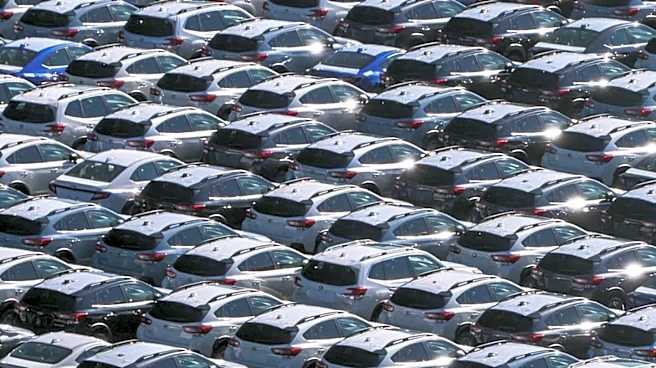
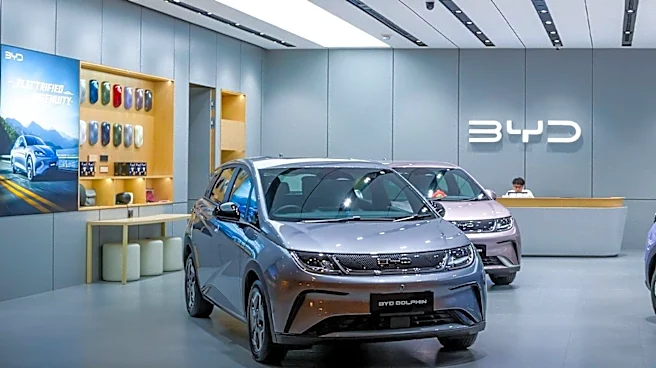
Brazil has imported $5.2 billion worth of Chinese vehicles in the first five months of 2026, surpassing Russia as China's largest overseas car market. This surge in imports, particularly of battery-electric and hybrid vehicles, comes as Brazil has increased
duties on imported EVs and hybrids to 35%. The Brazilian government has long encouraged foreign automakers to manufacture vehicles locally, using Brazilian labor and supply chains. The new tariffs are part of a strategy to pressure Chinese EV manufacturers like BYD, Chery, and Great Wall to establish production facilities in Brazil.
Why It's Important?
The influx of Chinese vehicles is intensifying competition in Brazil's automotive market, leading to a 3.5% decrease in the average new-car transaction price as of June 2026. This competition is beneficial for Brazilian consumers, offering more affordable vehicle options. However, the Brazilian government's strategy of imposing higher tariffs on imported vehicles aims to attract foreign investment in local manufacturing, which could lead to job creation and economic growth. The move also aligns with Brazil's broader goal of strengthening its clean-car supply chain and reducing reliance on imports.
What's Next?
Chinese automakers may need to establish local manufacturing operations in Brazil to maintain their market presence and avoid high tariffs. This could lead to increased foreign investment in Brazil's automotive sector, potentially boosting local employment and economic activity. The Brazilian government is likely to continue using tariffs and other measures to encourage local production, which could reshape the dynamics of the automotive industry in the region.