




What's Happening?
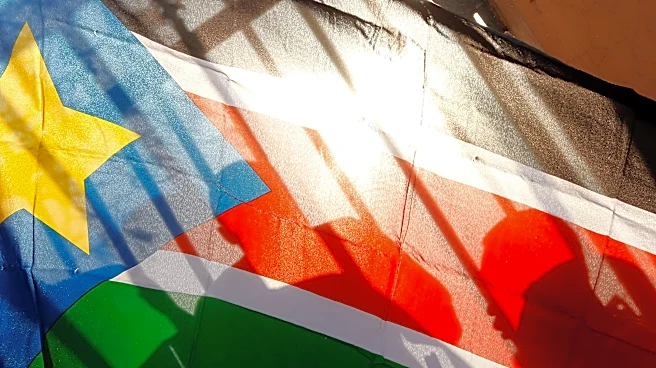
H.E. Haitham Al Ghais, Secretary General of OPEC, is scheduled to deliver a video keynote address at the South Sudan Oil & Power (SSOP) 2026 conference. This event, taking place from November 24-25 in Juba, will gather local, regional, and international
energy sector leaders. Al Ghais's address will focus on providing insights into global crude production growth, export capacity, and market developments. He is also expected to outline opportunities for South Sudan to enhance its position within international oil markets through its participation in the broader OPEC+ framework under the OPEC and non-OPEC Declaration of Cooperation. The conference aims to support discussions on partnerships and capital needed to unlock South Sudan's energy potential, as African hydrocarbon producers seek to maximize oil and gas production and regional trade amidst energy price volatility.
Why It's Important?
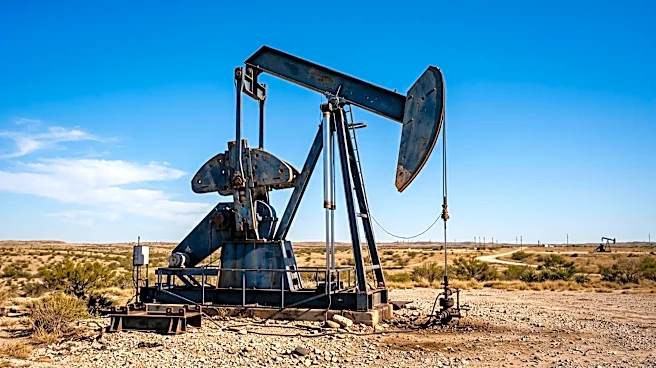
The insights from the OPEC Secretary General are crucial for understanding the future trajectory of global oil markets, which directly impacts energy prices and economic stability in the U.S. and worldwide. Fluctuations in crude production and export capacity, as discussed by Al Ghais, can lead to significant shifts in gasoline prices for American consumers and affect the profitability of U.S. energy companies. Furthermore, South Sudan's efforts to increase its crude production from 170,000 barrels per day (bpd) to 230,000 bpd and attract international investment could contribute to global supply, potentially influencing market dynamics. The broader OPEC+ framework, which Al Ghais will address, plays a pivotal role in managing global oil supply, making his commentary vital for U.S. energy policy and investment decisions.
What's Next?
Following the keynote address by H.E. Al Ghais, the global energy market will likely analyze his statements for any indications of future OPEC+ production policies or market outlooks. South Sudan, with its 14 exploration blocks available for investment, will be looking to attract international operators, potentially including U.S. companies, to expand their African portfolios. The discussions at SSOP 2026 are expected to foster partnerships and capital investment, which could lead to increased oil production in the region. These developments could influence global crude supply and demand balances, impacting international oil prices and, consequently, U.S. energy costs and economic forecasts in the coming months.
Beyond the Headlines
The participation of the OPEC Secretary General at a conference focused on African energy development highlights the growing importance of African nations in the global energy landscape. As African countries, including South Sudan, aim to maximize their hydrocarbon production and strengthen regional trade, there are broader implications for energy security and access across a continent where over 600 million people lack electricity. This push for increased domestic production and regional cooperation could reshape global energy alliances and trade routes. For the U.S., this signifies a potential diversification of global oil sources and new investment opportunities, but also underscores the complex geopolitical considerations tied to energy resources and their impact on international relations and climate policy.