








What's Happening?
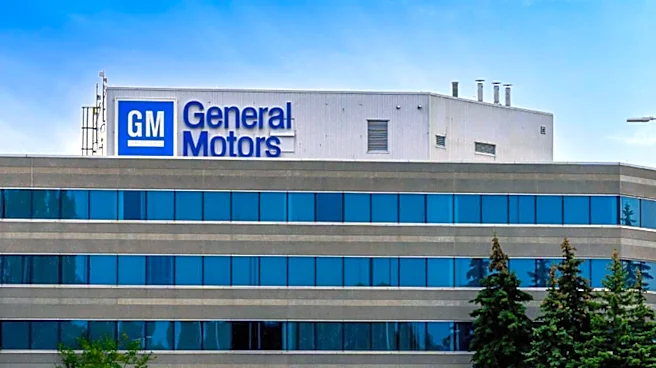
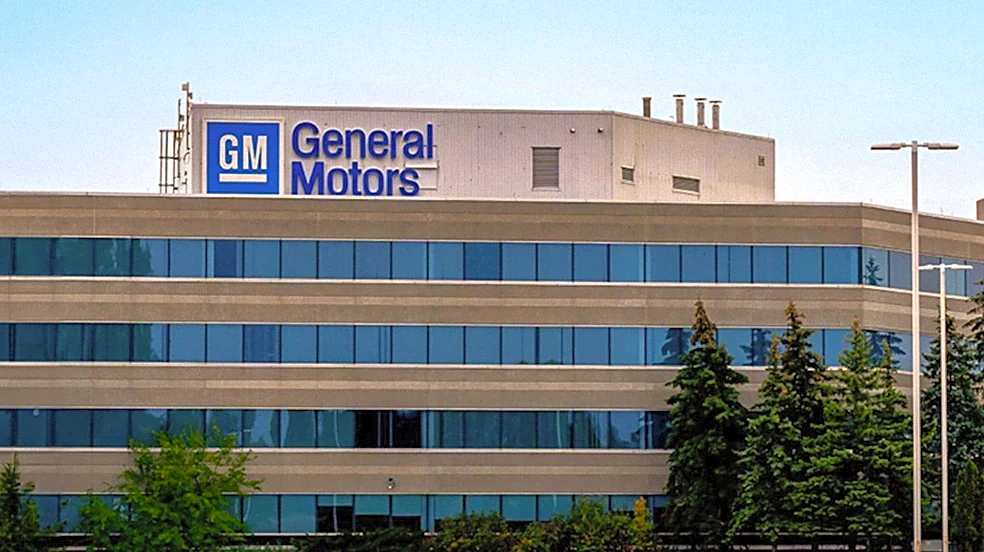
General Motors (NYSE:GM) is currently under scrutiny regarding vehicle demand and production dynamics, as the U.S. market experiences a sector rotation. Recent trading sessions have shown a shift in investor focus towards healthcare and consumer shares,
while technology stocks have remained volatile. This broader market movement provides context for GM's performance, but its fundamental outlook is primarily driven by company-specific factors such as earnings reports, regulatory filings, management commentary, and updated guidance. As one of the largest U.S. automakers, GM's business model heavily relies on high-volume sales of trucks and SUVs in North America, supported by its financing arm. The company is also navigating the complex transition to electric vehicles (EVs), balancing the pace of EV production with actual consumer demand. Key indicators for observers include dealer inventory levels and incentive spending, which can signal shifts in demand. The automobile sector as a whole is influenced by consumer confidence, employment rates, and borrowing costs, alongside intricate supply chains, labor agreements, and regulatory requirements concerning emissions and safety.
Why It's Important?
The current market focus on General Motors highlights the broader challenges and opportunities within the U.S. automotive industry. The shift in market leadership towards more defensive sectors like healthcare and consumer staples suggests investor caution, which could impact cyclical industries like automotive. For GM, effectively managing vehicle demand and production is crucial for maintaining profitability. The company's ability to scale EV production in line with consumer adoption, while also optimizing its traditional internal combustion engine vehicle sales, will dictate its financial performance. The industry's transition to EVs introduces significant capital expenditure requirements for new platforms and battery production, making strategic investment decisions critical. Furthermore, external factors such as tariffs on imported vehicles and parts can influence cost structures and pricing strategies across the industry, affecting GM's competitiveness and profitability. The company's performance is a bellwether for the health of the U.S. manufacturing sector and consumer spending trends.
What's Next?
Investors and analysts will be closely monitoring General Motors' upcoming company announcements, including earnings releases and any revised guidance, to assess its performance against the backdrop of evolving market conditions. Key indicators to watch include sector-specific demand trends, operating-cost fluctuations, and changes in financing conditions, which directly impact vehicle affordability and sales. Macroeconomic data, such as inflation figures, employment reports, and communications from the Federal Reserve, will also shape the broader economic environment for GM. Changes in Treasury yields, for instance, can affect valuations, particularly for capital-intensive companies like automakers. At the company level, investor presentations, product updates, and any adjustments to production plans or EV rollout strategies will be critical. Tracking GM's stock performance relative to broader market indices like the Russell 1000 after these events will provide further context on investor sentiment and the company's trajectory.
Beyond the Headlines
Beyond immediate financial performance, General Motors' strategic decisions in vehicle demand and production have long-term implications for the U.S. automotive landscape and broader economic trends. The company's approach to EV adoption, for example, will influence the pace of decarbonization in the transportation sector and the development of associated infrastructure. Ethical considerations around labor practices, supply chain sustainability, and the environmental impact of manufacturing processes are also increasingly under scrutiny. Legal and regulatory frameworks, particularly those related to emissions standards and safety, will continue to shape GM's product development and operational strategies. Culturally, the shift towards EVs represents a significant change in consumer preferences and driving habits, which GM must adapt to. The company's success in navigating these complex dynamics will not only determine its own future but also contribute to the evolution of the U.S. industrial base and its global competitiveness in the automotive sector.