





What's Happening?
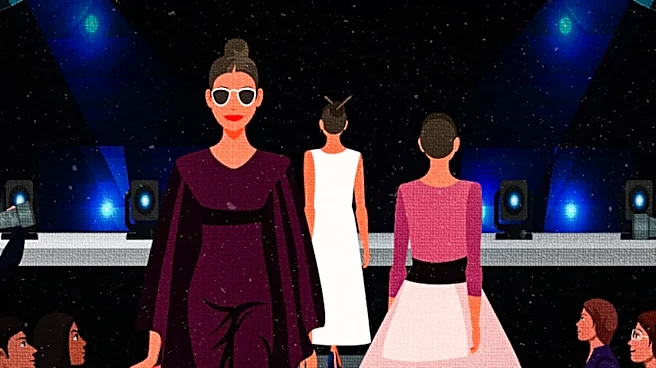
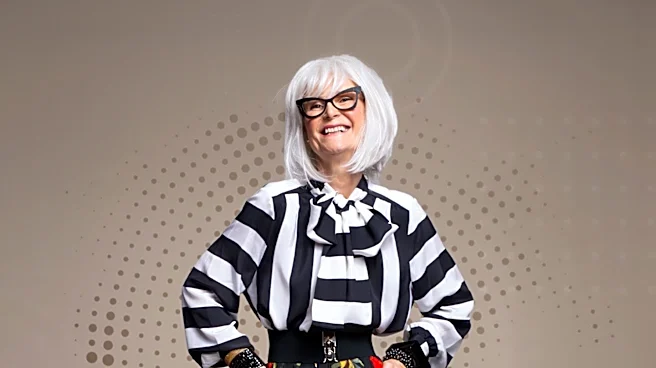
The fashion industry is increasingly featuring older women on runways and in campaigns, marking a significant shift in its approach to age diversity. Notable fashion shows, such as Chanel's haute couture, have included models like 50-year-old Stéphanie
Cavalli, while Miu Miu's fall-winter 2026 show featured 57-year-old actor Gillian Anderson. This trend reflects a broader industry recognition of older women as a significant consumer force with substantial economic influence. The shift is driven by several factors, including the realization that the luxury market's growth has been fueled by price increases rather than demand, prompting brands to reconsider their target audience. Additionally, there is a growing cultural fatigue with the obsession over youth, and older women are seen as bringing authenticity and credibility to fashion.
Why It's Important?
This development is crucial as it signals a broader cultural and economic shift within the fashion industry. By embracing older women, fashion brands are acknowledging their purchasing power and influence, which could lead to more inclusive marketing strategies. This change also reflects a societal move towards valuing experience and authenticity over youth, potentially influencing other industries to follow suit. The inclusion of older women in fashion could inspire changes in beauty standards, promoting a more diverse representation of age and challenging traditional notions of beauty. This shift may also encourage older consumers to engage more with fashion, boosting sales and brand loyalty.
What's Next?
As the fashion industry continues to embrace older women, it is likely that more brands will follow suit, incorporating age diversity into their marketing and runway shows. This trend could lead to a reevaluation of beauty standards across the industry, with potential impacts on advertising, product development, and consumer engagement strategies. Brands may also explore collaborations with older influencers and celebrities to further connect with this demographic. Additionally, the industry might face pressure to address other diversity issues, such as size inclusivity, as consumers demand more comprehensive representation.
Beyond the Headlines
The shift towards featuring older women in fashion highlights deeper societal changes, including a growing acceptance of aging and a move away from youth-centric ideals. This trend aligns with broader cultural movements that emphasize authenticity and real-life experiences over superficial appearances. It also reflects an increasing awareness of the longevity economy, where older consumers are recognized as valuable contributors to economic growth. As fashion embraces age diversity, it may influence other sectors, such as media and entertainment, to adopt similar inclusive practices, potentially reshaping cultural narratives around aging.