








What's Happening?
WHOOP, a company specializing in wearable health and performance trackers, is facing increasing scrutiny regarding its subscription-dependent business model and the functionality of its devices. Unlike many conventional fitness trackers that are purchased
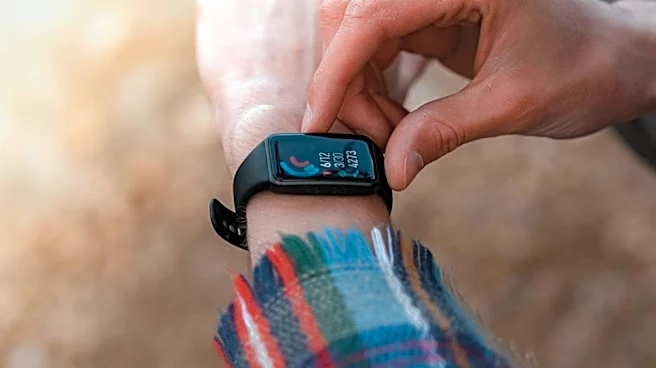
with a one-time payment, WHOOP requires an active membership for its core monitoring experience. The company's principal membership tiers, WHOOP One, WHOOP Peak, and WHOOP Life, range in annual cost from approximately $199 to $359. This model means that if a user cancels their subscription, the hardware becomes largely non-functional for collecting and analyzing new biometric data. This approach has led to discussions within the tech community and among consumers about the long-term financial commitment associated with WHOOP devices. Additionally, the WHOOP Community page indicates ongoing issues reported by users, including connectivity problems and product support concerns, further highlighting challenges with the user experience.
Why It's Important?
The business model employed by WHOOP is significant as it represents a growing trend in the technology sector where hardware functionality is intrinsically tied to recurring subscription fees. This model can lead to considerably higher long-term financial commitments for consumers, potentially making advanced health monitoring less accessible to a broader audience. For the U.S. market, this raises questions about consumer rights, product ownership, and the value proposition of 'renting' rather than owning technology. While athletes and serious fitness enthusiasts might justify the expense for detailed recovery analytics, casual users may find the annual cost prohibitive for basic tracking. The reliance on subscriptions also creates a barrier to entry for potential customers who prefer a one-time purchase, potentially limiting WHOOP's market penetration compared to competitors with different pricing structures. The reported community issues also underscore the importance of robust customer support and reliable device performance in a subscription-based service.
What's Next?
The ongoing debate surrounding WHOOP's subscription model and device functionality is likely to continue, influencing consumer purchasing decisions and potentially prompting competitors to highlight their own pricing structures. Consumers will need to carefully weigh the long-term costs and benefits of WHOOP's advanced features against more affordable alternatives like Fitbit Air, which offers a lower initial cost and an optional premium subscription. WHOOP may need to address community concerns regarding connectivity and support to maintain customer satisfaction and retention. The company's strategy for justifying its subscription costs, particularly for users who may not utilize all advanced features, will be crucial for its sustained growth in the competitive wearable technology market. Future developments could include adjustments to subscription tiers, enhanced customer service, or clearer communication about the value proposition of continuous membership.
Beyond the Headlines
The discussion around WHOOP's subscription model extends beyond mere pricing, touching upon broader ethical and economic implications in the tech industry. The practice of rendering hardware 'useless' without an active subscription challenges traditional notions of product ownership and could set precedents for other consumer electronics. This trend raises questions about planned obsolescence and the environmental impact of devices that become non-functional if subscriptions lapse. From a legal standpoint, consumer protection agencies might eventually examine whether such models are transparent and fair to consumers. Culturally, it reflects a shift towards a 'service economy' where access to features, rather than outright ownership, becomes the primary transaction. This could lead to a future where many personal devices are essentially leased, fundamentally altering how consumers interact with and perceive their technology.