



What's Happening?
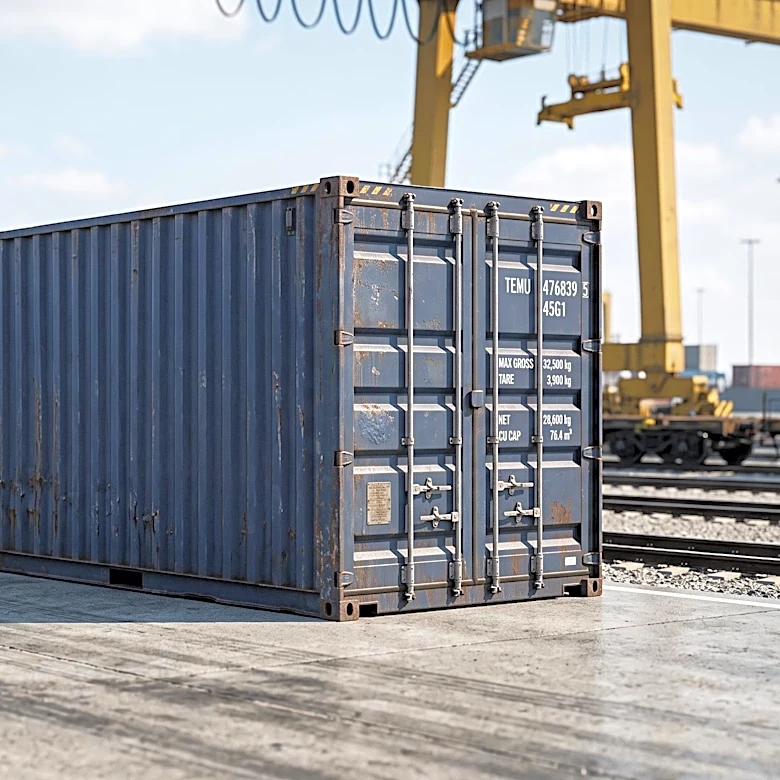
Despite the U.S. leading in deployed grid-scale energy storage, the market's heavy reliance on lithium-ion battery energy storage systems (BESS) is inadvertently hindering the adoption of more suitable long-duration energy storage (LDES) technologies.
While lithium-ion batteries are commercially mature and economical for short-to-medium duration applications (typically up to four hours), their bankability has made them the default choice for financiers, even when LDES (defined as 10+ hours of storage) is more appropriate. According to Will McNamara, a grid energy policy analyst at Sandia National Laboratories, the U.S. has approximately 16 GWh of LDES capacity, with over 90% still coming from pumped hydro storage, highlighting the limited deployment of other LDES technologies.
Why It's Important?
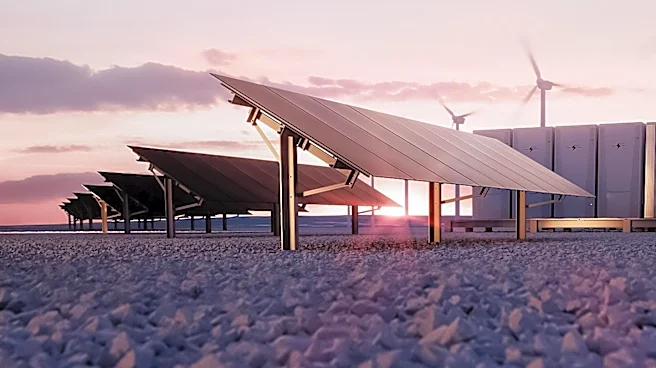
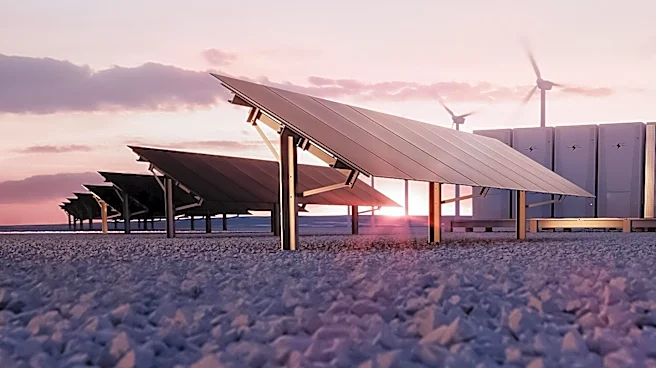
The dominance of lithium-ion BESS, while beneficial for certain applications, creates a significant gap in the U.S. energy infrastructure's ability to handle multi-day weather lulls and seasonal shifts, which are crucial for a resilient grid powered by renewable energy. This market dynamic means that promising LDES technologies, some of which have been around for decades and are deployed internationally, struggle to secure financing in the U.S. This impacts the country's ability to fully integrate intermittent renewable sources like solar and wind, potentially slowing the transition to a cleaner energy economy. The current market and compensation mechanisms, which primarily reward short-term power delivery, do not adequately value the continuous, multi-day service that LDES can provide, affecting grid stability and energy independence.
What's Next?
Addressing this challenge requires a multi-faceted approach. Policy and regulatory frameworks need to evolve to recognize and compensate the unique value proposition of LDES, potentially through specific procurements or carve-outs for storage durations of eight hours or longer, as anticipated in upcoming state legislative sessions in early 2027. Research and development efforts, like those at Pacific Northwest National Laboratory (PNNL), will continue to examine how different generation sources pair with various storage technologies to achieve optimal efficiency and cost-effectiveness. Furthermore, industry organizations like the Long Duration Energy Storage Council are working to provide data and resources to help utility planners and financiers make informed decisions beyond the current lithium-ion default, promoting a broader portfolio of energy storage solutions.
Beyond the Headlines
The 'bankability' issue for LDES technologies reveals a deeper systemic challenge in how financial markets and regulatory bodies adapt to emerging technologies, particularly those critical for climate change mitigation. The inertia towards proven, albeit suboptimal, solutions can stifle innovation and delay the necessary energy transition. This situation raises questions about the role of government in de-risking new technologies and creating market conditions that foster long-term strategic investments rather than short-term financial returns. Overcoming this hurdle is not just an economic or technological problem but a societal one, requiring a shift in mindset among investors, policymakers, and energy planners to prioritize resilience and sustainability alongside immediate cost-effectiveness.