


What's Happening?
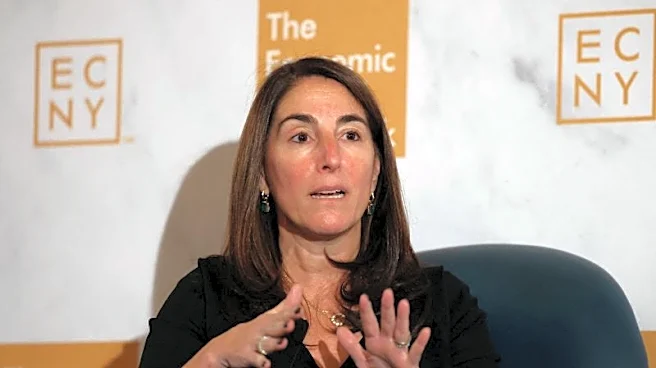
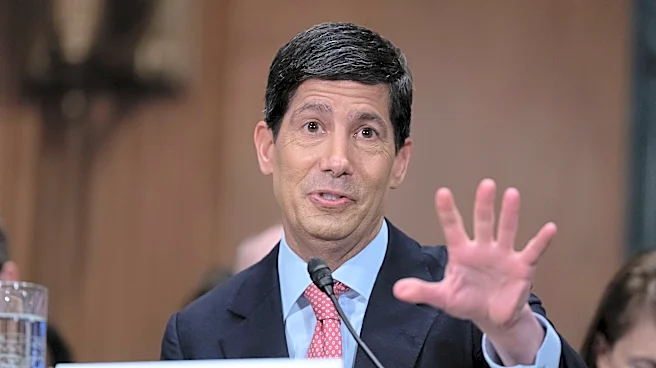
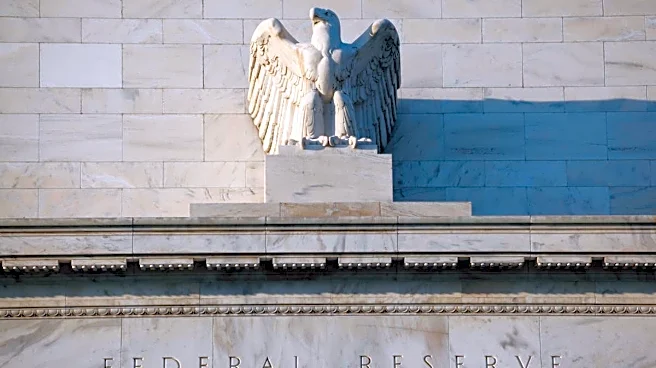
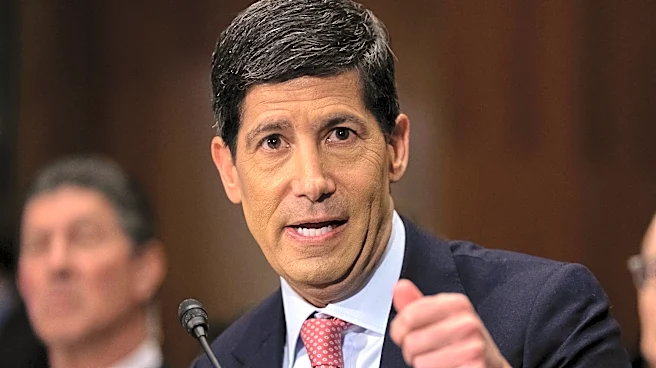
In a recent decision, the Federal Reserve opted to maintain the current interest rates within the range of 3.5% to 3.75%, despite dissent from three members who advocated for a rate hike. Cleveland Fed President Beth Hammack, along with Minneapolis Fed President Neel
Kashkari and Dallas Fed President Lorie Logan, expressed concerns over persistent inflation and its potential to become entrenched. Hammack emphasized the need for action to expedite the return of inflation to the Fed's 2% target, citing ongoing inflationary pressures from both energy prices and consumer demand. Kashkari highlighted the challenges posed by external shocks, such as the war in Ukraine and rising energy prices, advocating for incremental policy tightening. Logan also noted that without policy restraint, inflation could continue to exceed targets.
Why It's Important?
The decision to hold interest rates steady reflects a cautious approach by the Federal Reserve amidst ongoing inflation concerns. The dissenting voices within the Fed highlight a significant debate over the best course of action to manage inflation and ensure economic stability. The decision impacts various economic stakeholders, including businesses facing pricing pressures and consumers dealing with high prices. The Fed's approach will influence market confidence and could affect future economic growth and employment rates. The outcome of this decision will be closely monitored by investors and policymakers as they assess the Fed's commitment to controlling inflation.
What's Next?
The Federal Reserve's decision sets the stage for ongoing discussions about the appropriate monetary policy to address inflation. Future meetings will likely revisit the debate over interest rate adjustments, especially if inflationary pressures persist. The Fed may consider incremental rate hikes if inflation remains elevated, as suggested by Kashkari. Market reactions and economic data in the coming months will play a crucial role in shaping the Fed's policy decisions. Stakeholders, including businesses and consumers, will be watching for signs of inflation stabilization and the Fed's readiness to adjust its policy stance accordingly.