




What's Happening?
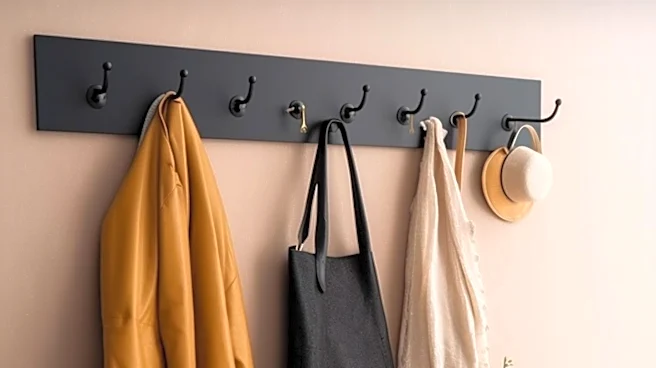
The U.S. wall coat rack market is experiencing growth fueled by increasing demand for home organization and entryway optimization, particularly in smaller urban dwellings. Consumers are showing a greater willingness to pay for design and material quality,
leading to a premiumization trend in home décor. The market is also influenced by the expansion of e-commerce and direct-to-consumer (DTC) channels, which improve access to niche and design-led brands. Furthermore, a rising focus on clutter-free living and functional aesthetics, alongside ongoing renovation and remodeling activities, supports replacement demand. This trend is part of a broader global market bifurcation, where a high-volume, price-sensitive segment coexists with a growing premium segment that views wall coat racks as decorative furniture accents. The market is characterized by intense competition, with private labels dominating the mass market and national brands focusing on design and brand narrative.
Why It's Important?
The evolving U.S. wall coat rack market reflects significant shifts in consumer behavior and housing trends that impact various industries. The demand for space-efficient and aesthetically pleasing storage solutions highlights the growing urbanization and the prevalence of smaller living spaces, particularly in metropolitan areas. This creates opportunities for manufacturers and retailers specializing in home organization products and premium home décor. The emphasis on design and material quality suggests a move towards higher-value products, potentially increasing revenue for brands that can differentiate themselves through innovation and branding. The growth of e-commerce and DTC channels is crucial for smaller, design-led brands to reach consumers directly, challenging traditional retail gatekeepers like large home improvement centers and mass merchandisers. This dynamic influences supply chain strategies, marketing efforts, and competitive landscapes within the home goods sector, affecting both established players and new entrants.
What's Next?
The U.S. wall coat rack market is expected to continue its moderate but steady growth, with a focus on premiumization and functional aesthetics. Manufacturers will likely invest further in design-led products and explore innovative materials to meet consumer demand for quality and style. The expansion of e-commerce and DTC channels will remain a key strategy for brands to bypass traditional retail channels and capture higher margins. This could lead to increased competition in online marketplaces and a greater emphasis on digital marketing and brand storytelling. The market will also see continued influence from home renovation and remodeling activities, driving replacement demand for both basic and premium models. As urbanization progresses, the demand for entryway optimization in small urban dwellings will likely intensify, prompting further product development in space-saving and multi-functional designs. Input cost volatility, particularly for metals, engineered wood, and plastics, will necessitate agile sourcing and pricing strategies for market participants.
Beyond the Headlines
The trends in the U.S. wall coat rack market offer insights into broader societal shifts, including the increasing value placed on minimalism and organized living. The demand for products that combine utility with aesthetic appeal reflects a cultural emphasis on creating functional yet beautiful home environments, even in compact spaces. This extends beyond mere storage to a lifestyle choice, where consumers are willing to invest in items that enhance their living experience and reflect their personal style. The market's bifurcation into value and premium segments also highlights economic disparities and diverse consumer priorities, with some prioritizing affordability and others seeking luxury and design. Furthermore, the growing influence of social media in driving home organization trends suggests a powerful role for digital platforms in shaping consumer preferences and rapidly accelerating demand for specific product categories. This underscores the importance of understanding digital trends and consumer psychology in the modern retail landscape.