







What's Happening?
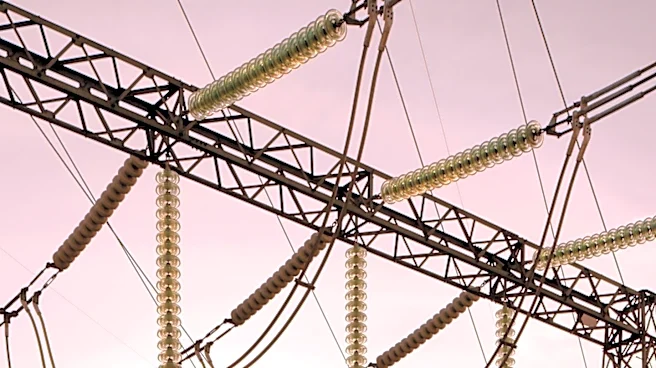
More than two-thirds of factories in Kandahar, Afghanistan, have closed down due to severe electricity shortages, according to industrialists in the region. Approximately 280 out of 400 factories in Kandahar's industrial park have ceased operations in the past
two years. The remaining active factories have reduced their activities by up to 50 percent. The province, considered a significant commercial and industrial center, requires 100 megawatts of electricity but currently receives only 40 megawatts from solar systems and generators. The Kajaki Dam, a primary electricity source for Kandahar, has completely cut off its supply. Industrialists report that the cost of producing electricity via generators is between 30 and 40 Afghanis per kilowatt-hour, significantly higher than the seven Afghanis in other provinces. This situation has led to increased production costs, making it difficult for businesses to operate. Many industrialists are considering relocating their businesses to Kabul or neighboring countries.
Why It's Important?
The widespread closure of factories in Kandahar has significant economic and social implications. The industrial park, which once employed around 5,500 people, has seen approximately 3,000 individuals lose their jobs, impacting numerous families. This job loss exacerbates economic hardship in a region already facing instability. The high cost of electricity from generators makes local products uncompetitive, hindering economic growth and investment. The lack of reliable and affordable power discourages new investments and forces existing businesses to either scale down or shut entirely, leading to a decline in industrial output and overall economic activity. The situation also highlights the fragility of infrastructure and the challenges in maintaining essential services in conflict-affected regions, impacting the livelihoods and stability of the local population.
What's Next?
Industrialists and the Kandahar Chamber of Industrialists are urging for a fundamental solution to the prolonged power outage. They note that 90 percent of the work on an imported electricity connection project has been completed, suggesting that its full implementation could alleviate the crisis. However, if the electricity problem remains unresolved, the development of industry in Kandahar will face severe challenges. The Taliban's economic deputy, Abdul Ghani Baradar, previously criticized investors for not investing in Kandahar, a sentiment that contrasts with the industrialists' claims of an unsupportive environment. The ongoing power crisis may lead to further factory closures and increased unemployment, potentially prompting more businesses to leave the province. The focus will likely be on the completion of the imported electricity project and finding sustainable, affordable energy solutions to revive the industrial sector.
Beyond the Headlines
The power crisis in Kandahar extends beyond immediate economic concerns, touching upon broader issues of governance, infrastructure development, and regional stability. The reliance on diesel generators at exorbitant costs points to a systemic failure in providing basic utilities, which can undermine public trust and economic recovery efforts. The historical context of the Kajaki Dam, where U.S. and Afghan forces secured a turbine in 2008, underscores the long-standing challenges in maintaining critical infrastructure in the region. The current situation could also fuel social unrest as unemployment rises and living standards decline. The struggle of industrialists to operate under these conditions reflects a larger pattern of economic fragility in Afghanistan, where political changes often disrupt economic relations and the lives of ordinary citizens. The lack of a stable economic environment could also have long-term implications for regional development and international aid efforts.