



What's Happening?
A comprehensive guide to home fitness equipment highlights the importance of making smart purchasing decisions to avoid common pitfalls such as buying unsuitable or short-lived gear. The guide stresses that the goal is not to accumulate bulky equipment but
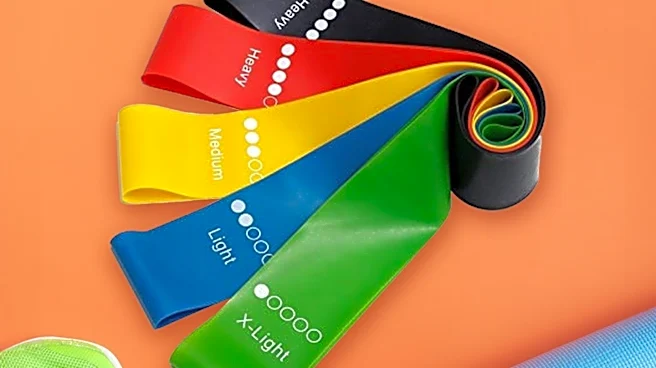
to select accessories that genuinely integrate into daily life and support fitness goals. Key criteria for smart purchases include the quality of materials and design, ergonomics, size, and adherence to safety standards. For instance, resistance bands made of TPE (Thermoplastic Elastomer) are recommended for their durability and safety, while mini fitness trampolines should feature heavy-duty steel frames and polypropylene mats. The guide also advises checking for safety standards like EN ISO 20957-1 and considering maximum user weight to ensure product reliability and user safety.
Why It's Important?
This guide is crucial for consumers navigating the expanding home fitness market, as it empowers them to make informed decisions that prevent wasted money and demotivation. By focusing on material quality, ergonomics, and safety, it helps individuals invest in equipment that is effective, durable, and safe, thereby fostering consistent engagement in home workouts. This approach can lead to better long-term health outcomes by ensuring that fitness routines are sustainable and injury-free. For the industry, it sets a benchmark for product quality and transparency, encouraging manufacturers to prioritize user safety and product longevity. Ultimately, promoting smart purchases contributes to a more positive and effective home fitness experience, supporting a healthier population and reducing consumer frustration with subpar products.
What's Next?
In the future, consumers can expect to see an increased demand for detailed product specifications and certifications from home fitness equipment manufacturers. There will likely be a greater emphasis on eco-friendly and sustainable materials in fitness gear, aligning with broader consumer values. Retailers may also offer more comprehensive guides and expert advice to help customers choose the right equipment based on their specific needs and living situations. The market will continue to innovate with compact, multi-functional, and easily storable equipment to cater to smaller living spaces. Furthermore, the integration of smart features that track usage and provide maintenance reminders will become more common, extending the lifespan and utility of home fitness tools. The focus will remain on providing high-quality, safe, and practical solutions for at-home exercise.
Beyond the Headlines
The emphasis on informed purchasing in home fitness equipment reflects a broader consumer trend towards conscious consumption and a desire for products that offer genuine value and longevity. It highlights a shift away from impulse buying towards a more considered approach, where consumers prioritize quality and safety over fleeting trends. This also has ethical implications for manufacturers, pushing them to be more transparent about their product's materials, design, and safety features. Culturally, it reinforces the idea that investing in one's health is a serious commitment, requiring careful consideration of the tools used. This guide, by educating consumers, contributes to a more discerning market, ultimately benefiting both users and responsible manufacturers by promoting higher standards across the industry.