


What's Happening?
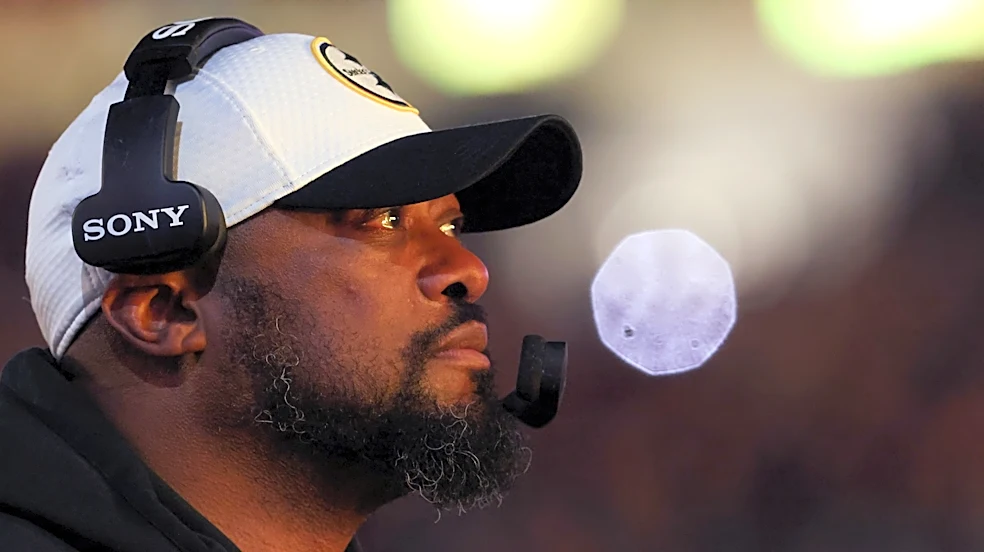
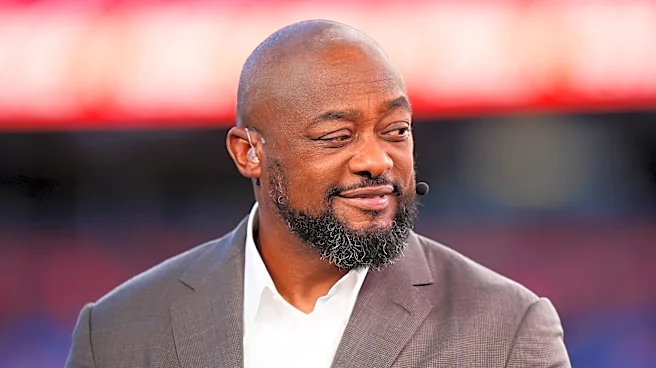
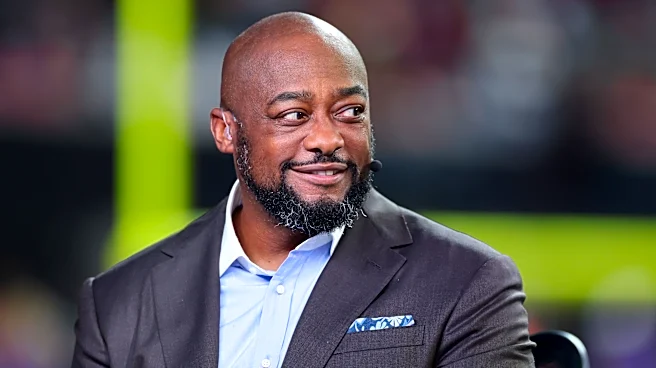
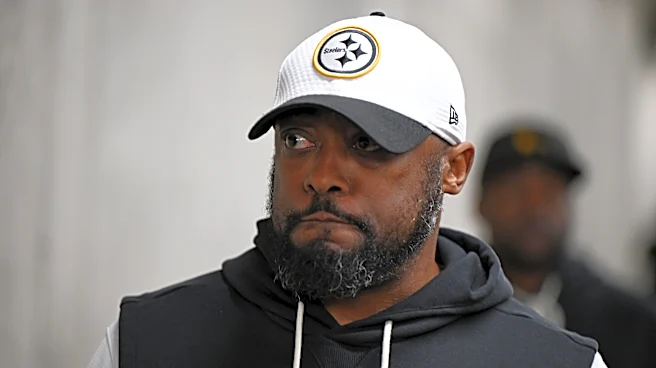
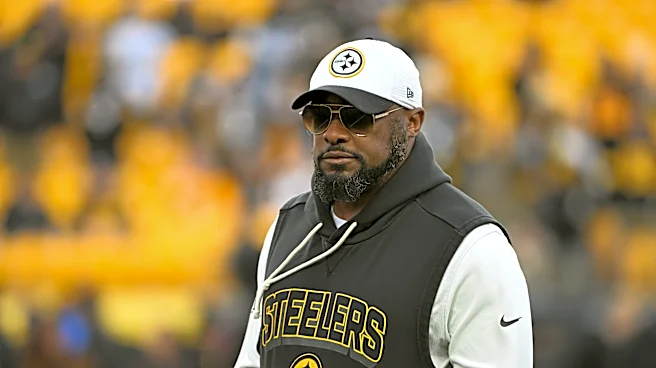
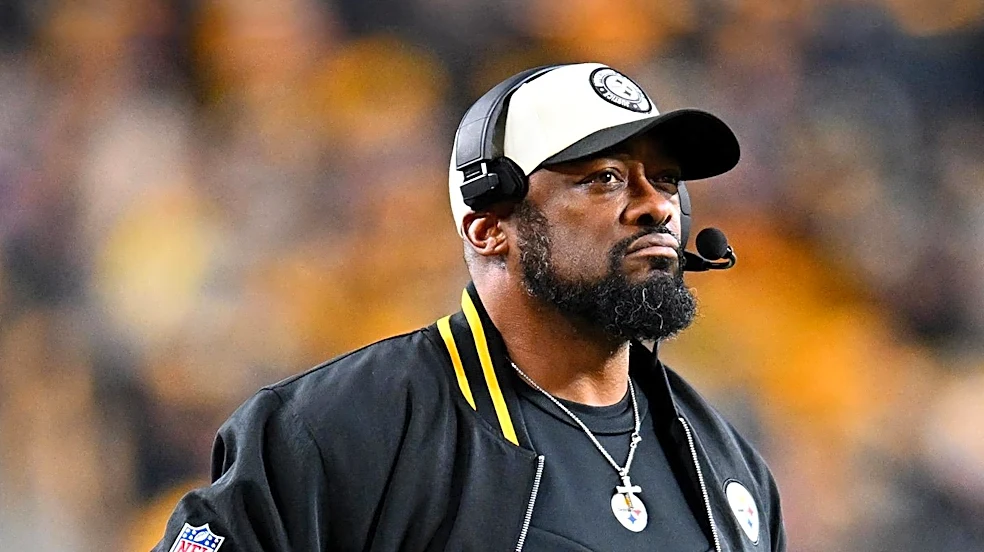
Former Pittsburgh Steelers head coach Mike Tomlin recently confirmed a unique intimidation tactic he employed during NFL Combine interviews. Appearing on the 'New Heights' podcast with Travis and Jason Kelce, Tomlin was asked by Travis Kelce about the strategic
placement of 'Mean' Joe Greene during his 2013 combine interview with the Steelers. Kelce recalled feeling intimidated by Greene, who was positioned under one of the few light sources in the hotel room. Tomlin confirmed this was 'by design,' explaining that it served two purposes: to test if prospects recognized the legendary player, indicating their respect for the sport's history, and to create an intimidating atmosphere. Tomlin noted that if a prospect recognized Greene, it was a component of intimidation, and he specifically remembered Kelce's 'risky edge' during that interaction.
Why It's Important?
This revelation offers a rare glimpse into the psychological strategies employed by NFL teams during the player evaluation process. It highlights how coaches and front office personnel go beyond physical and skill assessments to gauge a prospect's mental fortitude, awareness of league history, and reaction to pressure. Such tactics can significantly influence draft decisions, as teams seek not only talented athletes but also individuals with the right mindset and character. For players, it underscores the intense scrutiny they face, where every interaction, even seemingly minor ones, can be part of a calculated assessment. This insight also adds to the lore of NFL Combine interviews, showcasing the unconventional methods used to uncover a player's true nature under stress.
What's Next?
While Tomlin is no longer coaching, this story may prompt other former coaches or executives to share similar anecdotes about their combine interview strategies, potentially revealing more about the hidden aspects of NFL player evaluation. Current and future NFL prospects might become more aware of such psychological tactics, leading them to prepare not just for standard questions but also for unexpected environmental or interpersonal challenges during interviews. The story also reinforces the enduring legacy of NFL legends like 'Mean' Joe Greene, whose presence alone could command respect and exert pressure, even years after their playing careers ended. This type of insight continues to fuel fan interest in the behind-the-scenes workings of professional football.
Beyond the Headlines
The use of psychological tactics in high-stakes evaluations, as revealed by Tomlin, raises broader questions about ethical boundaries in professional settings. While common in competitive environments, the deliberate use of intimidation could be viewed differently depending on one's perspective. It highlights the fine line between assessing resilience and creating undue stress. Furthermore, the story underscores the cultural significance of sports history and legendary figures within the NFL. Recognizing 'Mean' Joe Greene was not just a trivia question but a measure of a prospect's immersion in the sport's heritage, suggesting that a deep appreciation for the game's past is valued alongside current athletic prowess. This cultural dimension adds another layer to the complex process of building a professional sports team.