









What's Happening?
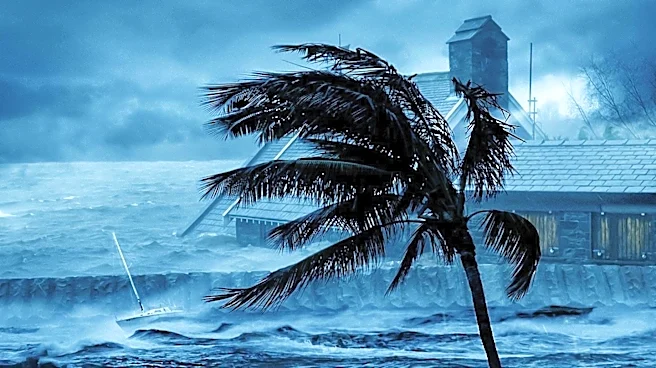
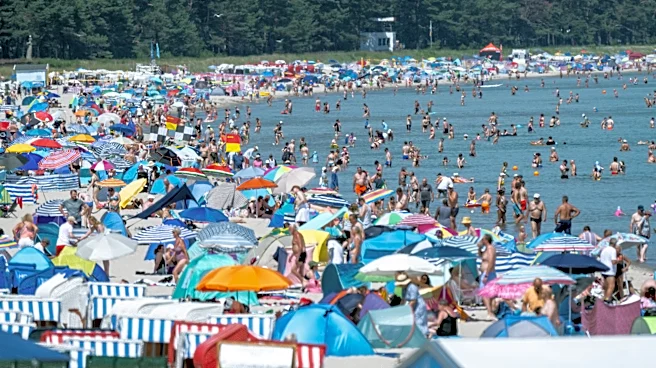
The insurance industry is under scrutiny for its lack of preparedness in addressing the growing risks associated with climate change. As extreme weather events become more frequent and severe, the financial impact is escalating. Last year alone, such
events resulted in over $120 billion in economic losses globally. A significant portion of businesses, particularly in the UK, reported losing more than 1% of their annual turnover due to climate impacts. According to data from CDP, climate risks could potentially cost businesses around $1 trillion in future losses, with nearly half of these losses expected to occur within the next two years. Despite these alarming figures, insurers continue to support industries that contribute to climate change, raising concerns about their role in mitigating future risks.
Why It's Important?
The insurance industry's response to climate change is crucial as it plays a pivotal role in managing financial risks associated with environmental disasters. The industry's current approach could have significant implications for businesses and economies worldwide. If insurers fail to adapt to the increasing frequency and severity of climate-related events, businesses may face higher premiums or reduced coverage, impacting their financial stability. This situation underscores the need for the insurance sector to reassess its strategies and align with sustainable practices to mitigate future risks. The industry's actions could influence public policy and corporate strategies, potentially driving a shift towards more sustainable business models.