






What's Happening?
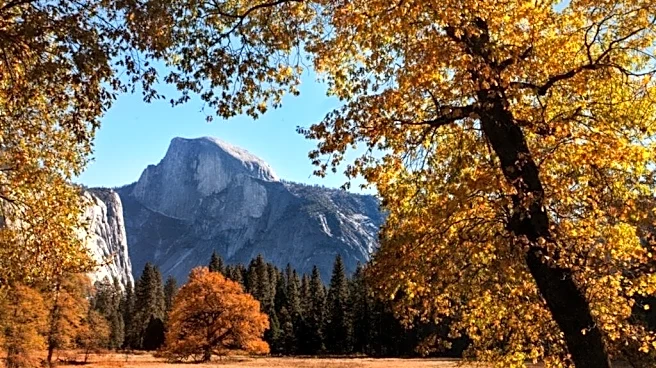
California's Sierra Nevada region is highlighted as a prime destination for road trips, offering a variety of natural landscapes and routes. The area features striking natural beauty, from the alpine Tuolumne Meadows in Yosemite National Park to the clear
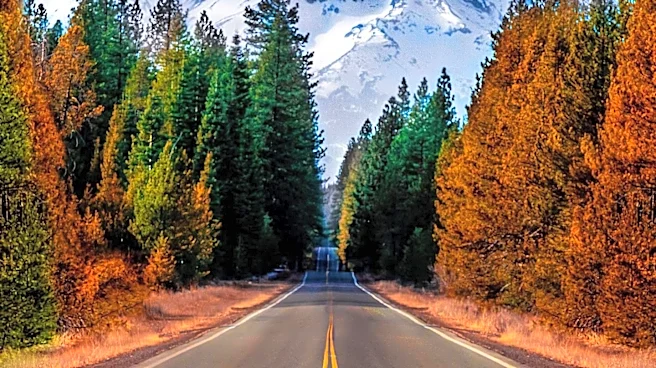
blue waters of Lake Tahoe. Several specific routes are detailed, including the Feather River Scenic Byway, which spans approximately 130-135 miles and showcases the transition from barren environments to lush surroundings, with opportunities to visit the Western Pacific Railroad Museum. The Yuba-Donner Scenic Byway, roughly 160 miles, encircles parts of the Tahoe National Forest and is noted for winter recreation. Other routes like Monitor Pass/Luther Pass/Lake Tahoe Road (Route 89) offer lakeside views and historical sites, while El Dorado County, Route 50, takes travelers through apple orchards and the Eldorado National Forest. The Carson Pass Scenic Byway (Route 88) provides diverse scenery from Stockton into the Sierra Nevada Mountains. Tioga Road (Route 120) traverses Yosemite National Park with towering sequoias, and the Eastern Sierra Scenic Byway offers desert to mountain transitions. Finally, the Sierra Vista Scenic Byway forms a nearly 100-mile loop through the Sierra National Forest.
Why It's Important?
The availability of diverse road trip options in California's Sierra Nevada region is significant for the tourism industry and recreational economy of the state. These routes attract both local and out-of-state visitors, contributing to local businesses such as hotels, restaurants, and outdoor activity providers. The emphasis on natural beauty and varied terrain, from alpine meadows to historical mining towns, caters to a wide range of interests, promoting extended stays and repeat visits. Furthermore, the detailed descriptions of each byway, including specific attractions and activities, empower travelers to plan customized itineraries, enhancing their experience and potentially increasing their spending in the region. The promotion of these scenic drives also highlights the importance of preserving these natural landscapes and historical sites, as they are key draws for tourism and local identity.
What's Next?
As awareness of these diverse road trip opportunities grows, it is likely that more travelers will plan excursions to California's Sierra Nevada. This could lead to increased demand for accommodations and services in towns along these routes. Local tourism boards and businesses may further develop marketing campaigns to highlight specific byways and their unique attractions, potentially leading to new tour packages or events. Infrastructure improvements and maintenance along these scenic routes will also be crucial to accommodate increased traffic and ensure visitor safety and enjoyment. Additionally, there may be a focus on promoting sustainable tourism practices to manage the environmental impact of increased visitation, especially in sensitive areas like national parks and forests.
Beyond the Headlines
Beyond the immediate economic benefits, the promotion of road trips through the Sierra Nevada underscores a broader cultural appreciation for natural landscapes and outdoor recreation in the U.S. These routes offer more than just scenic views; they provide opportunities for historical engagement, connecting travelers with the region's gold mining past and pioneering spirit. The emphasis on diverse natural environments also highlights the ecological richness of California, fostering a sense of environmental stewardship among visitors. Such road trips can serve as a form of experiential education, allowing individuals to directly engage with geography, ecology, and history, potentially influencing their perspectives on conservation and regional development. The detailed guidance for these trips also reflects a growing trend in travel towards more personalized and immersive experiences, moving beyond conventional tourist destinations.