




What's Happening?
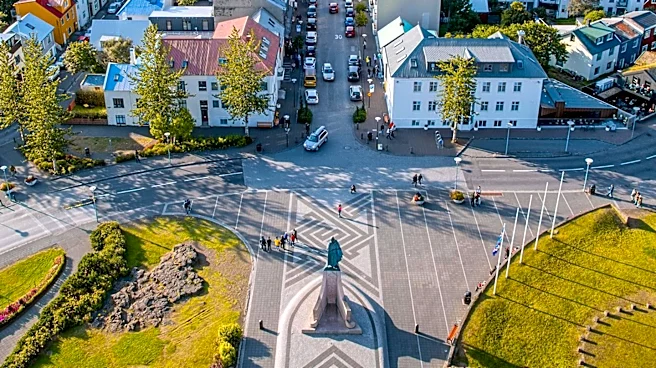
Reykjavik, Iceland's capital, is highlighted as an ideal base for travelers exploring the country without a rental car. The city, home to approximately two-thirds of Iceland's population, is compact and pedestrian-friendly, featuring vibrant cultural
attractions and colorful architecture. Key attractions accessible from Reykjavik include the Reykjanes geothermal area, the Reynisfjara Black Sand Beach, and opportunities to witness the Aurora Borealis. For accommodation, options range from luxury hotels like The Reykjavik EDITION to various practical lodging choices that cater to tour-friendly areas. The city's infrastructure supports car-free tourism through scheduled airport buses connecting Keflavík International Airport, a public bus network within the city, and regional scheduled buses linking different towns. Additionally, organized day tours frequently depart from Reykjavik to major natural attractions, providing transportation, planned itineraries, and local commentary. Domestic flights from Reykjavik Airport also connect the capital to regional centers like Akureyri, offering further travel flexibility.
Why It's Important?
The emphasis on Reykjavik as a car-free travel hub is significant for the U.S. tourism industry and American travelers. It provides a clear and accessible option for those who prefer not to drive abroad, potentially increasing the appeal of Iceland as a destination. This approach simplifies travel logistics, as visitors can rely on organized tours and public transport, reducing the stress associated with navigating unfamiliar roads and rental car procedures. For U.S. tour operators, this information can help in designing attractive packages that cater to a broader demographic, including solo travelers, groups, and individuals seeking a more relaxed travel experience. The availability of diverse accommodation and tour options from a central location like Reykjavik also contributes to a more streamlined and enjoyable vacation, potentially boosting tourism revenue and fostering positive travel experiences for U.S. citizens.
What's Next?
Travelers planning a trip to Iceland without a rental car should prioritize choosing a base that offers regular tour departures, straightforward airport connections, and walkable access to amenities. Reykjavik remains the most practical choice for first-time visitors due to its extensive transport links and wide array of guided excursions. Within Reykjavik, selecting accommodation near the BSÍ Bus Terminal can simplify tour departures and airport transfers. Alternatively, the city center, particularly around Laugavegur shopping street and the harbor, provides a balance of sightseeing and tour access, with designated tour bus stops conveniently located. For those seeking better value, neighborhoods slightly outside the city center offer quieter surroundings and lower rates, provided they are within walking distance of designated pickup locations. Future travel plans may involve combining a Reykjavik base with multi-day guided excursions to explore more distant regions like the Snaefellsnes Peninsula or glacial lagoons, allowing professional guides to handle logistics.
Beyond the Headlines
The promotion of car-free travel in Reykjavik reflects a broader trend in sustainable tourism and accessible travel options. By highlighting the ease of exploring Iceland without a personal vehicle, it encourages a more environmentally conscious approach to travel, reducing carbon emissions associated with individual car use. This model also democratizes travel, making destinations more accessible to individuals who may not have a driver's license, prefer not to drive, or are looking for a more immersive experience without the distractions of driving. The focus on organized tours and public transport fosters local engagement, as travelers are more likely to interact with local guides and use local services. This approach can lead to a deeper cultural understanding and a more authentic travel experience, moving beyond superficial sightseeing to a more meaningful connection with the destination and its people.