


What's Happening?
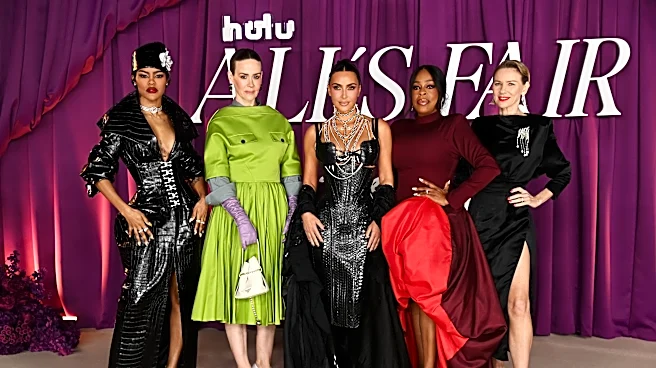
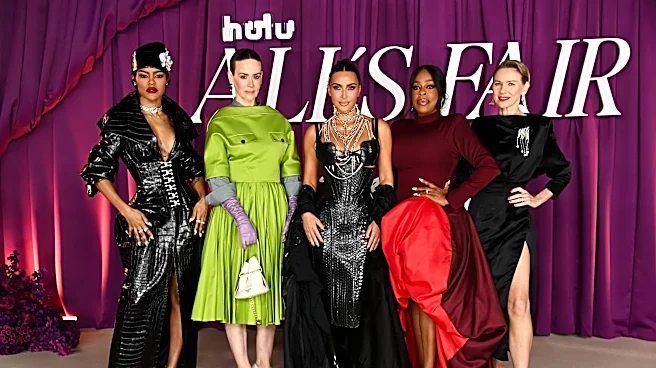
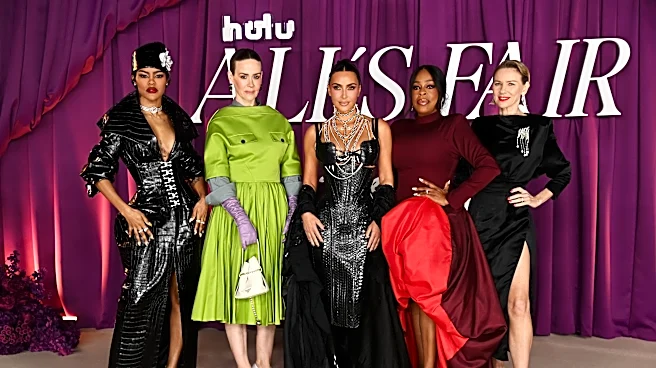
Costume designer Paula Bradley has provided insights into the elaborate wardrobe for the second season of Ryan Murphy’s Hulu series, 'All's Fair.' The show, which follows high-powered divorce attorneys, features an expanded and more dramatic costume collection.
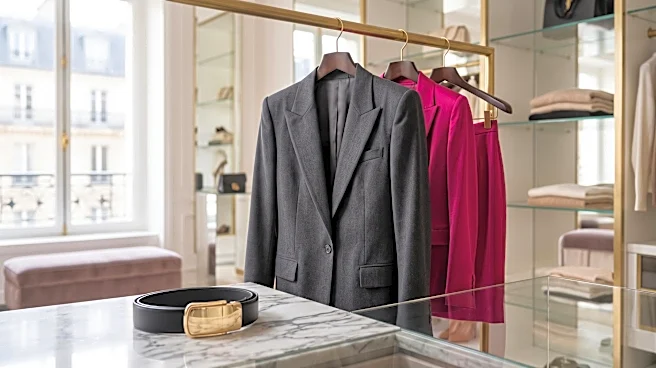
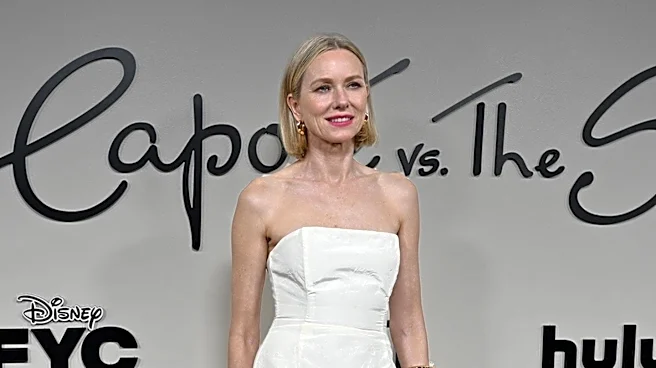
Bradley revealed that the budget for the show's wardrobe is substantial, allowing for the acquisition of high-end pieces from various sources, including Beverly Hills boutiques, European designers, and resale sites like The RealReal. The cast members, including Sarah Paulson, Niecy Nash-Betts, and Naomi Watts, actively contribute to the costume selection process by sending Bradley images of runway looks and fashion pieces they encounter. Key costume elements for Season 2 include Sarah Paulson’s character, Carr, sporting sharper silhouettes with Yves Saint Laurent-inspired power shoulders and custom builds. Kim Kardashian’s character, Allura, features a mix of archival and modern pieces, including a Gucci G-string, while Niecy Nash-Betts’s character, Emerald, moves towards statement belts and vibrant skirt suits. Glenn Close’s character, Dina, maintains her elegant style with Tiffany brooches, and Teyana Taylor’s Milan showcases Thom Browne pieces. The costumes are designed to reflect the characters' evolving personalities and the show's heightened drama.
Why It's Important?
The detailed and high-budget costuming for 'All's Fair' highlights the significant role fashion plays in storytelling and character development in contemporary television. The show's commitment to using couture, archival pieces, and custom designs elevates its visual appeal and sets a benchmark for production quality in the entertainment industry. This approach not only enhances the viewer's experience but also influences fashion trends and consumer interest in designer brands. The active involvement of the cast in costume selection underscores the collaborative nature of television production and how actors contribute to their characters' visual identities. Furthermore, the use of diverse designers, including Black designers like Harbison and Sergio Hudson, reflects a growing emphasis on inclusivity and representation within the fashion and entertainment sectors. This can inspire other productions to adopt similar practices, promoting a more diverse and dynamic fashion landscape.
What's Next?
The detailed attention to fashion in 'All's Fair' Season 2 is likely to generate significant discussion among fashion enthusiasts and television critics, potentially increasing the show's cultural impact. The specific designer pieces and styling choices featured in the series could influence upcoming fashion trends and consumer purchasing decisions. The show's success in integrating high fashion into its narrative may encourage other television productions to invest more heavily in costume design, further blurring the lines between entertainment and high fashion. This could lead to more collaborations between designers and television studios, creating new avenues for fashion promotion and artistic expression. The continued emphasis on diverse designers and inclusive fashion choices within the show could also set a precedent for broader industry practices, fostering a more representative and innovative fashion ecosystem.
Beyond the Headlines
Beyond its immediate entertainment value, the costuming in 'All's Fair' offers a deeper commentary on power, identity, and self-expression through clothing. The characters' wardrobes are not merely aesthetic choices but integral to their narrative arcs, reflecting their ambition, vulnerability, and evolving roles within the legal drama. The use of iconic pieces, such as Elizabeth Taylor's cape and vintage designer items, adds a layer of historical and cultural significance, connecting the show to broader fashion legacies. The collaborative process between the costume designer and the cast also highlights the personal connection actors have with their characters' appearances, suggesting that clothing is a powerful tool for embodying and conveying complex personalities. This meticulous approach to costume design underscores the idea that fashion in television can be a form of art, capable of conveying nuanced messages and enriching the overall storytelling experience.