
What's Happening?
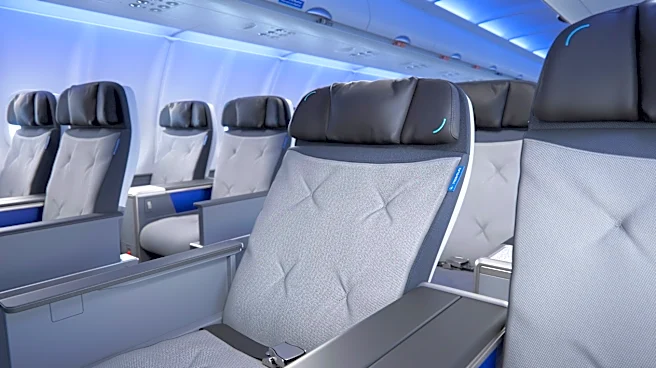
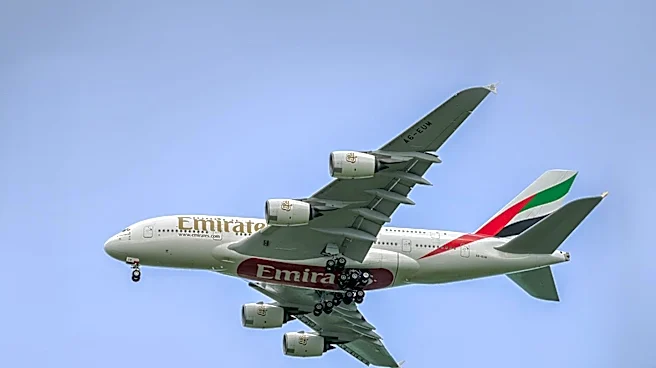
Emirates has introduced a new electrically powered Premium Economy seat featuring a full-height adjustable privacy screen, set to debut on its newly delivered Airbus A350 aircraft. This new cabin configuration
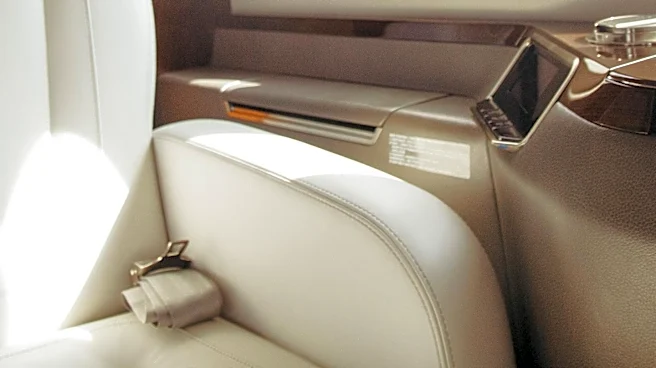
includes 28 seats arranged in a 2-3-2 layout. Passengers can raise or lower the privacy divider using seat controls, enhancing personal space for relaxation, dining, or work. The seats are 20 inches wide with a pitch of up to 39 inches and recline into a cradle position without encroaching on the space of passengers behind. This marks Emirates' first fully electrically powered Premium Economy seat, offering integrated Passenger Control Units for easy adjustments and dedicated settings like lounge and meal modes. Additional features include the U-Dream headrest by Safran Seats, a manually deployable leather footrest, and wireless charging capabilities for compatible devices. Each seat also provides USB-C connectivity and a tray table with an integrated phone holder, allowing for dual-screen use. The inflight entertainment system, ice, is accessible via a 13.3-inch 4K HDR touchscreen, and new A350 aircraft will offer additional external camera views.
Why It's Important?
This enhancement by Emirates signifies a growing trend in the airline industry to elevate the premium economy experience, bridging the gap between economy and business class. For U.S. travelers flying Emirates, these new features offer increased comfort, privacy, and connectivity, which can significantly improve long-haul travel. The introduction of electrically powered seats and full-height privacy screens sets a new benchmark for premium economy offerings, potentially influencing other airlines to upgrade their own cabins to remain competitive. The inclusion of wireless charging and advanced entertainment systems caters to the modern traveler's demands for seamless digital integration during flights. This move could also impact the broader aviation market by driving innovation in aircraft interior design and passenger amenities, as airlines strive to attract and retain high-value customers in a competitive global market. The investment in such features reflects a strategic effort to enhance customer satisfaction and loyalty, which is crucial for airline profitability.
What's Next?
Emirates will continue to roll out these new Premium Economy cabins across its A350 fleet, making them available on more routes. The airline has also enhanced its Premium Economy dining experience, offering regionally inspired meals on Royal Doulton china, premium wines, and new amenity kits developed in partnership with United for Wildlife. These kits, made from bio-based materials, will be provided on long-haul services. The airline's continuous investment in its wine portfolio, exceeding US$1 billion since 2006, indicates an ongoing commitment to refining the passenger experience. Future developments may include further integration of technology and sustainable materials in cabin design, as Emirates aims to maintain its competitive edge and respond to evolving passenger expectations. Other airlines will likely observe the market reception of these new features and may follow suit with similar upgrades to their premium economy offerings.
Beyond the Headlines
The introduction of advanced Premium Economy features by Emirates reflects a broader shift in consumer expectations for air travel, where value is increasingly placed on comfort, privacy, and technological integration, even in intermediate cabin classes. This trend highlights a potential long-term shift in how airlines segment their services, moving beyond traditional three-class models to offer more nuanced options that cater to diverse traveler needs and budgets. The emphasis on sustainable amenity kits also points to a growing awareness and demand for environmentally conscious travel options, pushing airlines to adopt more eco-friendly practices. Ethically, providing enhanced privacy and personal space can contribute to a more dignified and less stressful travel experience, particularly on long flights. This evolution in cabin design could also influence aircraft manufacturers to innovate in space utilization and in-flight technology, fostering a more passenger-centric approach across the aviation industry.