




What's Happening?
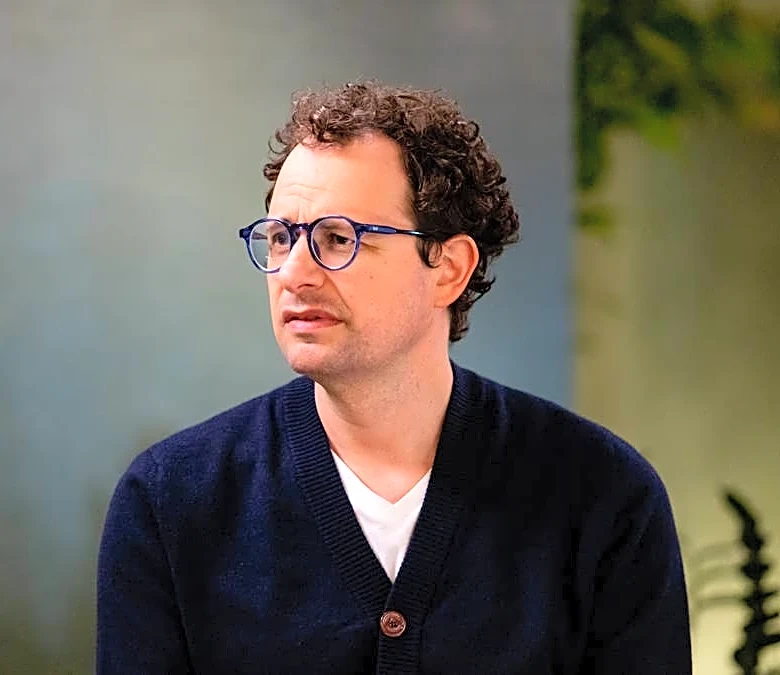
Dr. Dre, the renowned hip-hop producer and co-founder of Beats, has stated that he does not view artificial intelligence (AI) as a threat to the music industry. In an interview with the New York Times, alongside his business partner Jimmy Iovine, Dre compared
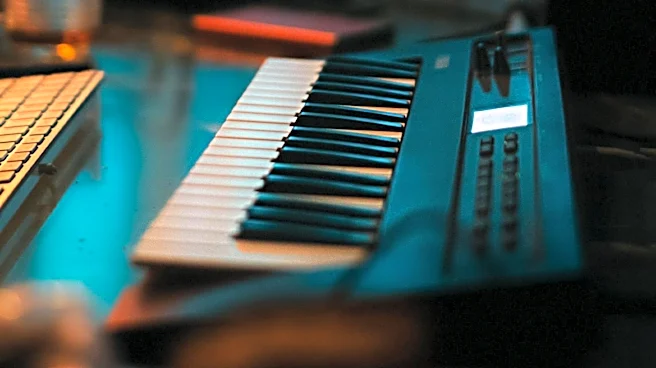
AI to past technological advancements like drum machines and synthesizers, suggesting it is merely a new tool for creativity. He believes that only those who struggle with creating would perceive AI as a threat. Dre mentioned he uses AI to explore its capabilities with his own work, and Iovine noted that other prominent producers, such as Timbaland, are also utilizing AI. This perspective comes amidst ongoing legal disputes in the music industry regarding AI, with companies like Suno and Anthropic facing lawsuits for alleged copyright infringement by using copyrighted songs to train their AI models without permission. Major labels including Warner Music Group, Universal Music Group, and Sony Music have sued Suno, while BMG has sued Anthropic.
Why It's Important?
Dr. Dre's stance on AI is significant because it offers a counter-narrative to the widespread concerns about AI's impact on creative industries, particularly music. As a highly influential figure with a history of embracing technological innovation in music production, his endorsement of AI as a creative tool could encourage other artists and producers to explore its potential. This perspective challenges the notion that AI is solely a job-displacing or copyright-infringing technology, instead framing it as an evolutionary step in music creation. The ongoing legal battles highlight the critical need for clear regulations and ethical guidelines for AI development and usage in creative fields. The outcome of these lawsuits will likely set precedents for how AI companies can access and utilize existing copyrighted material, directly impacting intellectual property rights and the economic models for artists and labels. Furthermore, the move by Apple Music and Spotify to label AI-generated content indicates a growing industry effort to provide transparency to consumers and potentially differentiate human-created art from AI-assisted works.
What's Next?
The debate surrounding AI in the music industry is expected to intensify, with more artists and companies likely to take public stances on its use. The legal challenges against AI companies like Suno and Anthropic will continue to unfold, potentially leading to landmark rulings that define the boundaries of fair use and copyright in the age of AI. These legal outcomes could necessitate new licensing frameworks or legislative actions to address the unique challenges posed by AI-generated content. Additionally, the implementation of labeling systems by platforms like Apple Music and Spotify will likely become more widespread, influencing how consumers perceive and engage with music. This transparency could lead to a greater demand for human-created music or, conversely, foster a new market for AI-generated content. The development of new AI tools for music production will also continue, pushing the boundaries of what is creatively possible and further integrating AI into the artistic process, potentially leading to new genres and forms of musical expression.
Beyond the Headlines
The discussion around AI in music extends beyond legal and economic implications, touching upon fundamental questions about creativity, authorship, and the definition of art. Dr. Dre's comparison of AI to synthesizers suggests a philosophical view that tools, regardless of their complexity, serve to augment human creativity rather than replace it. This perspective invites a deeper examination of the human element in artistic expression and whether AI can truly replicate or originate the emotional depth and cultural resonance found in human-made music. The ethical considerations of AI's role in art also come to the forefront, particularly concerning the potential for AI to perpetuate biases present in its training data or to dilute the value of human artistic labor. As AI becomes more sophisticated, society will grapple with how to value and compensate human artists in a landscape where AI can generate content rapidly and at scale. This evolution could redefine the role of the artist, shifting focus from pure creation to curation, collaboration with AI, or the development of unique, unreplicable human experiences.