



What's Happening?
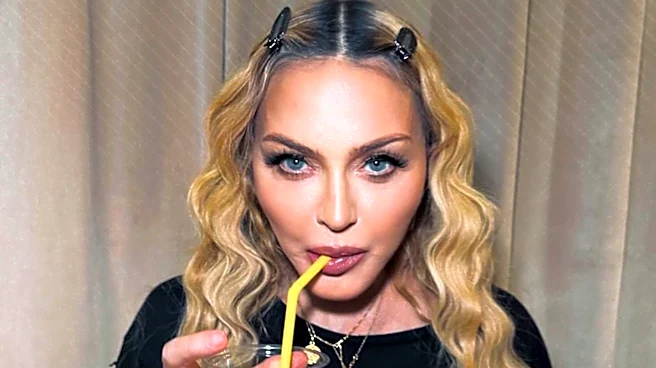
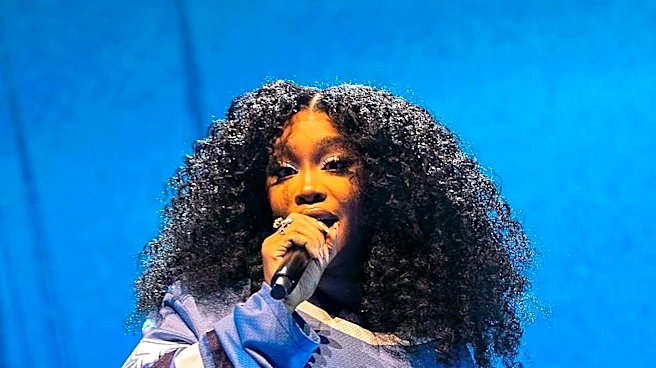
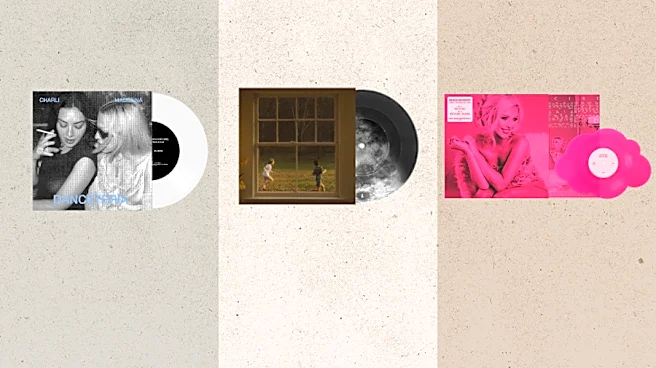
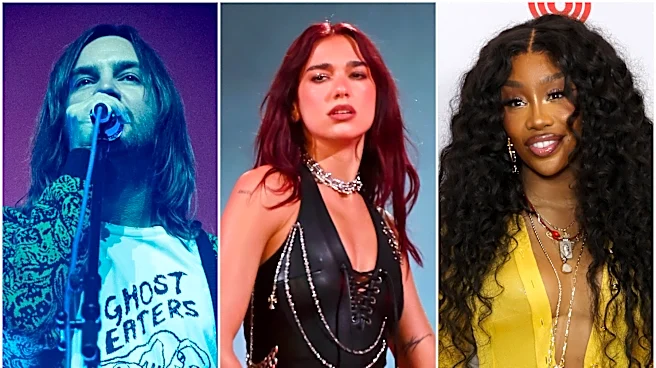
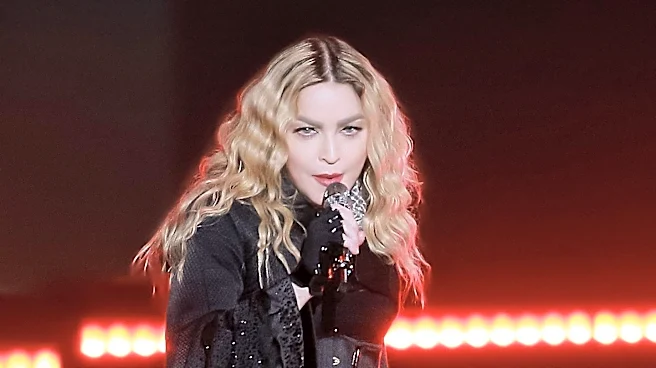
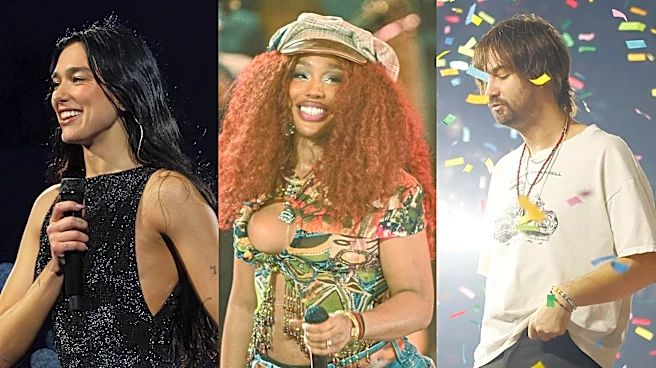
Urban Outfitters launched its seventh annual Singles Day Vinyl Series on November 11, releasing 11 exclusive vinyl singles. The collection features a diverse lineup of artists including SZA, Noah Kahan, The Weeknd, ADÉLA, Madonna, Conan Gray, Megan Moroney,
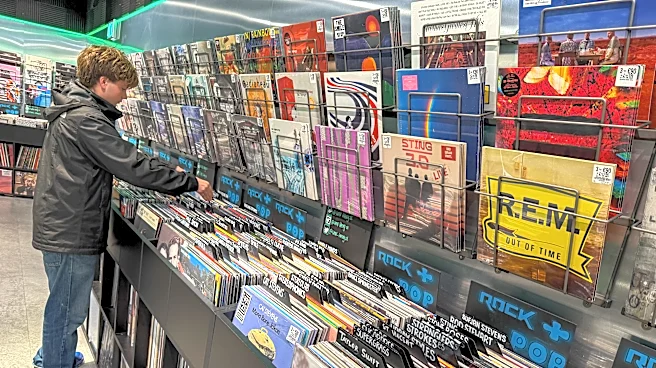
Hilary Duff, Role Model, Ty Dolla $ign x Bryce Alakai, and Julia Wolf. This year's series introduces die-cut editions for the first time, with Conan Gray, Megan Moroney, Hilary Duff, and Julia Wolf receiving these special pressings. The releases include seven 7-inch singles and four die-cut editions, spanning genres such as pop, R&B, country, indie, and alternative. Each title was produced in limited runs, ranging from 1,000 to 5,000 copies. Karen Booker, Head of Non-Apparel Merchandising at Urban Outfitters, stated that music is a significant connection point for their Gen Z customers, and the Singles Day event caters to their love of collecting by offering unique items from beloved artists. The series went on sale on UrbanOutfitters.com and in select stores, with prices between $19.98 and $39.98, available only while supplies last.
Why It's Important?
This annual vinyl release event by Urban Outfitters highlights the continued resurgence and cultural significance of physical music formats, particularly vinyl, among younger demographics like Gen Z. By offering exclusive, limited-edition pressings from popular artists, Urban Outfitters taps into the collector's market and strengthens its brand appeal as a curator of unique lifestyle and entertainment products. The initiative also demonstrates how retailers are leveraging niche cultural events, such as Singles Day, to create unique shopping experiences and drive consumer engagement. The rapid sell-out history of previous releases indicates a strong demand for these exclusive items, underscoring the value consumers place on scarcity and unique artistic collaborations. This strategy not only boosts sales for Urban Outfitters but also provides artists with an additional platform to connect with fans and offer special merchandise, reinforcing the symbiotic relationship between retail and the music industry.
What's Next?
Given the historical trend of rapid sell-outs for Urban Outfitters' Singles Day vinyl releases, it is anticipated that this year's collection will also quickly become unavailable. The limited production runs of 1,000 to 5,000 copies per title ensure scarcity, which often drives immediate consumer action. Following the initial sale, these exclusive vinyls may appear on secondary markets, potentially at higher prices, reflecting their collector's value. Urban Outfitters will likely continue to monitor the success and demand for this series to inform future merchandising strategies, particularly regarding collaborations with artists and the introduction of new formats like die-cut discs. The ongoing success of this event could encourage other retailers to explore similar limited-edition music releases, further solidifying the trend of vinyl collecting as a significant market segment.
Beyond the Headlines
The Urban Outfitters Singles Day Vinyl Series reflects a broader cultural phenomenon where physical media, particularly vinyl records, has transcended its original format to become a significant part of lifestyle and fashion. For Gen Z, collecting vinyl is not just about music consumption but also about aesthetic appeal, tangible ownership, and a connection to artistic expression. This trend challenges the purely digital consumption model prevalent in the music industry, suggesting a desire for more tactile and collectible experiences. The event also highlights the power of curated retail experiences in an increasingly online world, where unique offerings can draw consumers into both digital and physical storefronts. Ethically, the limited-edition nature of these releases can create a sense of urgency and exclusivity, which while driving sales, also contributes to a culture of rapid consumption and potential secondary market speculation. This initiative underscores how retailers are adapting to evolving consumer preferences by blending commerce with cultural curation.