

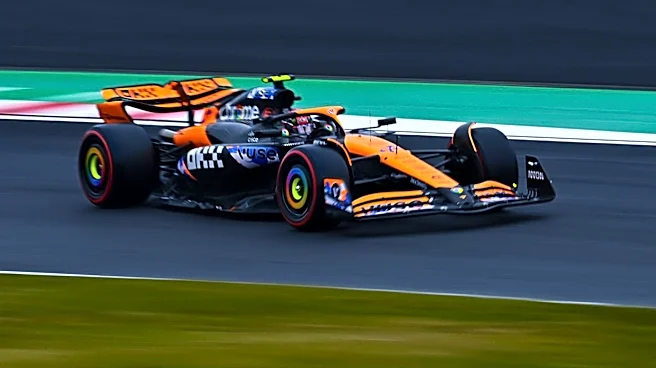
What's Happening?
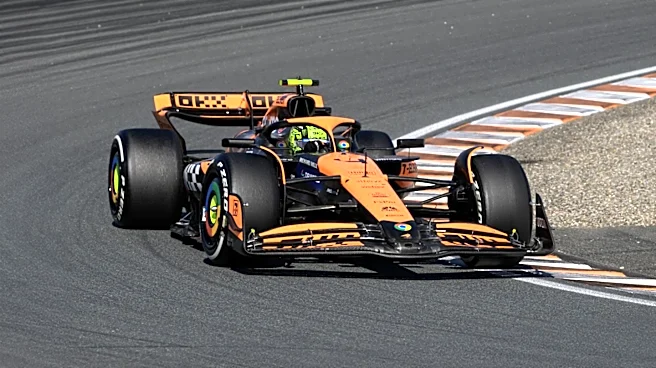
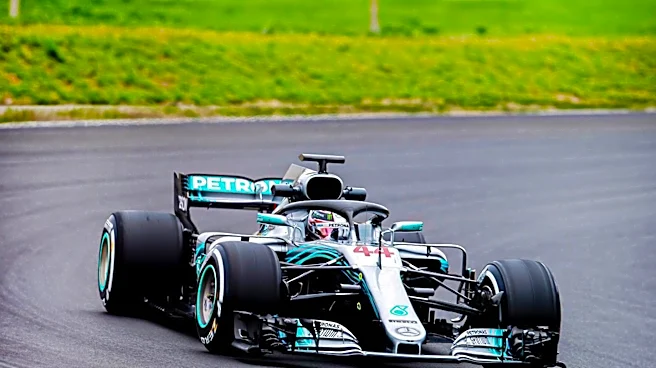
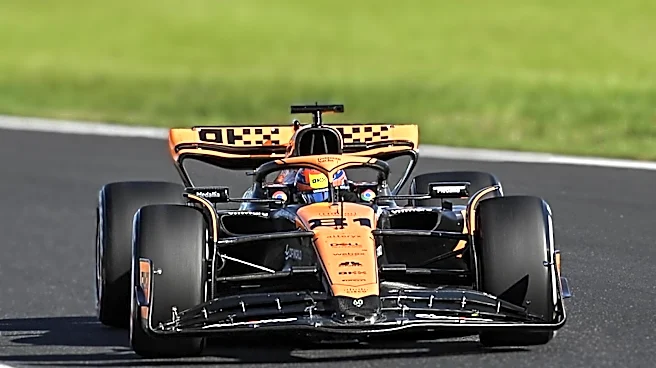
Oscar Piastri, a McLaren Formula 1 driver, recently shared his experiences of driving older-generation F1 cars, specifically those from the late 2000s. Piastri expressed a sense of nostalgia and enjoyment after driving Fernando Alonso's 2007 McLaren and Lewis
Hamilton's 2008 title-winning car. This comes in the context of significant changes to F1 regulations in 2026, which have moved away from ground effect rules and introduced new power units. While the new cars have been praised for their speed, the power units have faced criticism, leading to calls for a return to simpler, louder V8 engines in the future. Piastri's reflections highlight a broader sentiment among fans and drivers who fondly remember the older cars for their lightness and distinctive sound.
Why It's Important?
The discussion around F1's 2026 regulations and Piastri's comments underscore a tension between technological advancement and the sport's heritage. The criticism of the new power units suggests a disconnect between the current direction of F1 and the preferences of some drivers and fans. This could influence future regulatory decisions, as the FIA considers balancing innovation with the nostalgic elements that many associate with the sport's golden eras. The push for a return to V8 engines reflects a desire to preserve the sensory experience of F1, which is a significant part of its appeal. This debate could impact the sport's evolution and its ability to attract and retain fans.
What's Next?
As the FIA considers future regulations, the feedback from drivers like Piastri and the broader F1 community will likely play a role in shaping the next cycle of changes. The potential return to V8 engines in the early 2030s could be a response to the current dissatisfaction with the 2026 power units. Additionally, the ongoing dialogue about the balance between innovation and tradition in F1 will continue to influence the sport's direction. Stakeholders, including teams, drivers, and fans, will be watching closely to see how these discussions evolve and what impact they will have on the future of Formula 1.