



What's Happening?
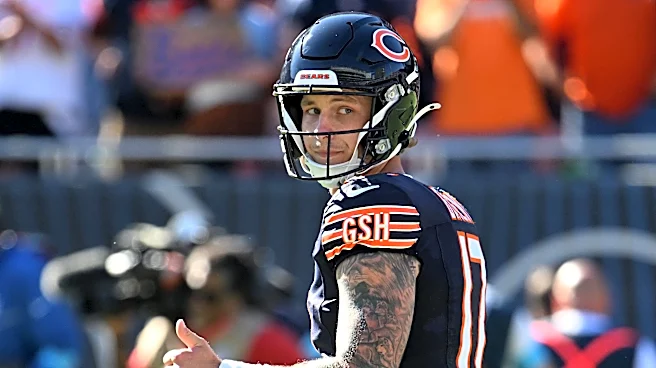
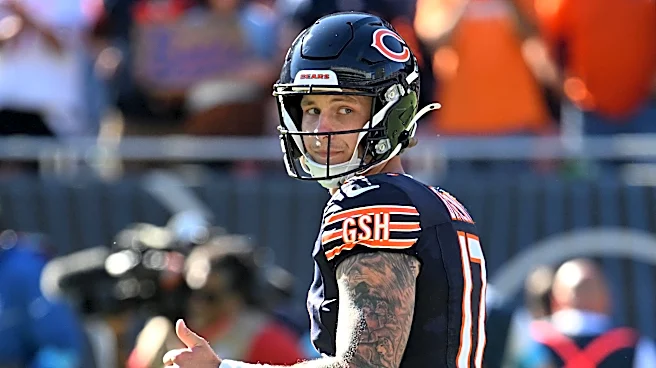
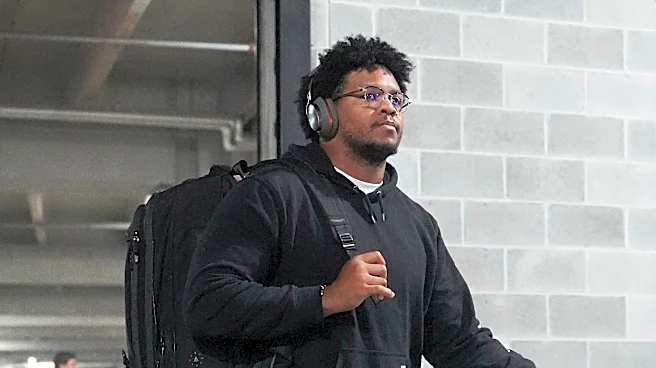
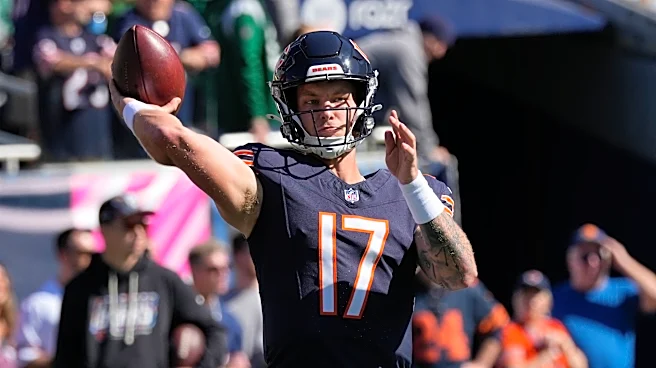
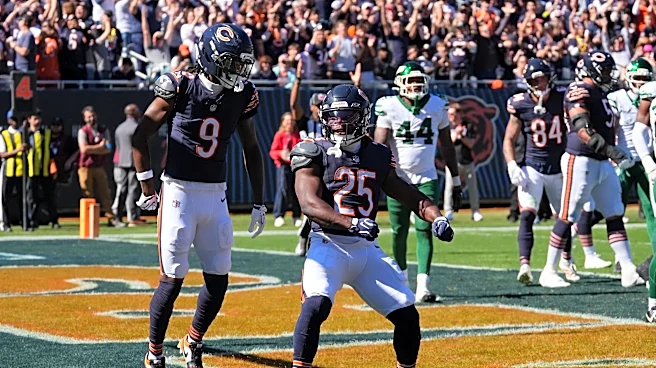
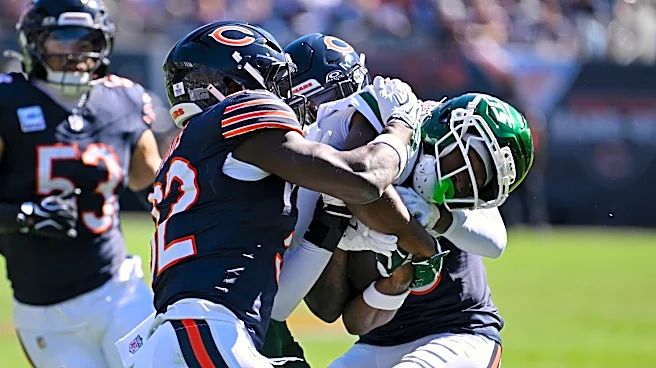
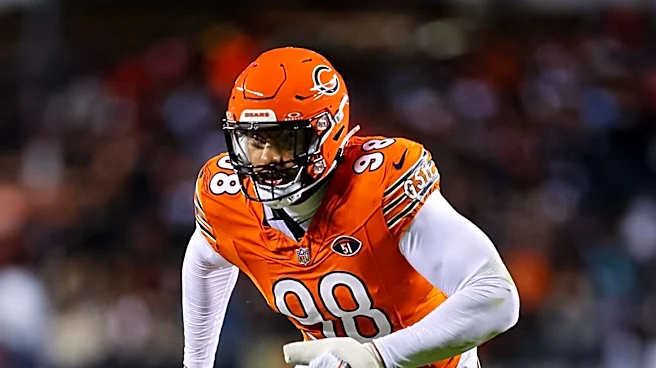
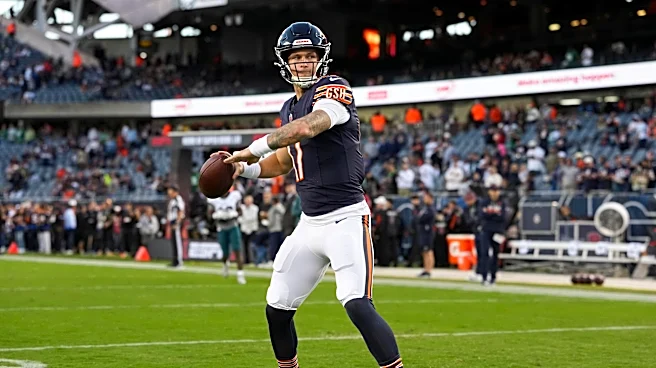
Defensive end Marcus Davenport has been released from the Chicago Bears practice squad on Monday, as reported by Patrick Finley of the Chicago Sun-Times. This release was initiated by Davenport himself, who requested it. The 30-year-old played a limited
role in Sunday's game against the Jets, participating in 12 defensive snaps and one special-teams snap, during which he recorded one tackle. The reasons behind Davenport's request for release and his future plans in the NFL remain undisclosed. This development follows his recent move to the Bears, as he was previously reported to be heading to the Windy City.
Why It's Important?
The unexpected release of Marcus Davenport from the Chicago Bears practice squad, particularly at his own request, introduces uncertainty for both the player and the team. For the Bears, it means losing a defensive end who, despite limited playing time, contributed to their recent win. The team will now need to assess its defensive depth and potentially seek replacements, which could impact their strategic planning for upcoming games. For Davenport, his decision to request a release without clear future plans raises questions about his career trajectory and potential motivations, which could range from seeking more playing time elsewhere to personal considerations. This event highlights the dynamic and often unpredictable nature of player movements in professional sports, where individual decisions can significantly affect team rosters and performance.
What's Next?
The immediate next steps for Marcus Davenport are unclear, as his NFL plans following his self-initiated release from the Bears practice squad have not been disclosed. He may explore opportunities with other NFL teams, potentially seeking a spot on an active roster or another practice squad where he might have a more prominent role. Alternatively, he could be considering a break from professional football. For the Chicago Bears, the departure of Davenport will likely prompt a re-evaluation of their defensive line depth. The team may look to sign another player to their practice squad or promote someone from within to fill the void, ensuring they maintain adequate personnel for defensive and special teams duties in the upcoming weeks.
Beyond the Headlines
Davenport's decision to request a release, rather than being cut by the team, suggests a level of agency that is not always common for practice squad players. This move could indicate a deeper dissatisfaction with his role or a strategic play to find a more suitable environment for his career at this stage. It also underscores the personal and professional calculations athletes make, balancing immediate playing opportunities with long-term career goals. The lack of stated reasons for his request leaves room for speculation about potential underlying issues, such as disagreements with coaching staff, a desire for a different team culture, or even personal matters that might influence his professional choices. This situation reflects the complex interplay of individual ambition, team dynamics, and the demanding nature of professional sports careers.