



What's Happening?
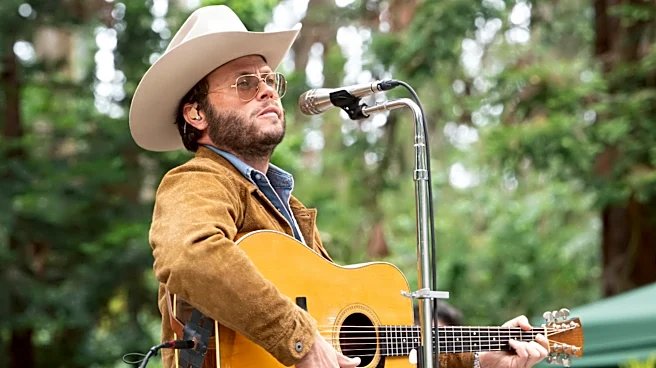
Charley Crockett has publicly clarified his decision to remove the band Twin Temple from his tour and has criticized Jack White's subsequent actions. Crockett stated that Twin Temple was dropped not solely due to their 'satanic imagery,' but because their production
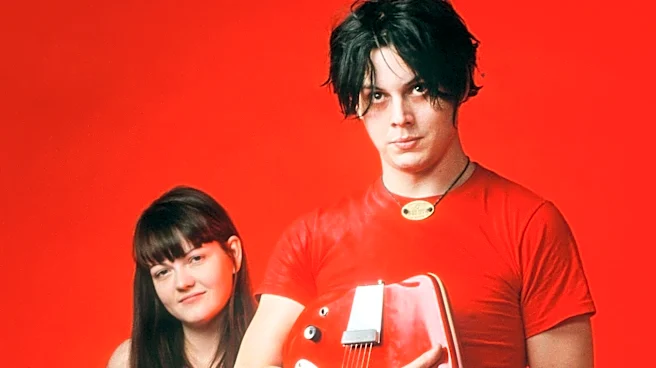
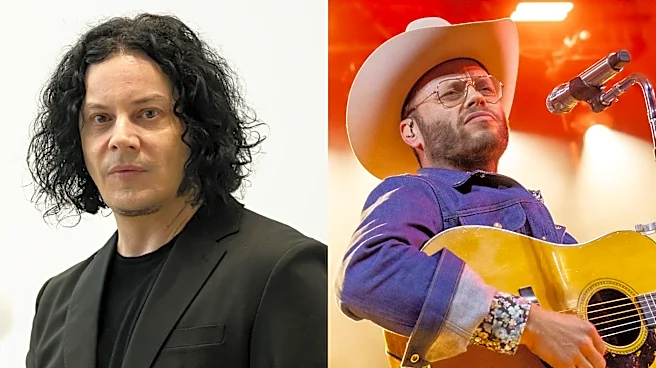
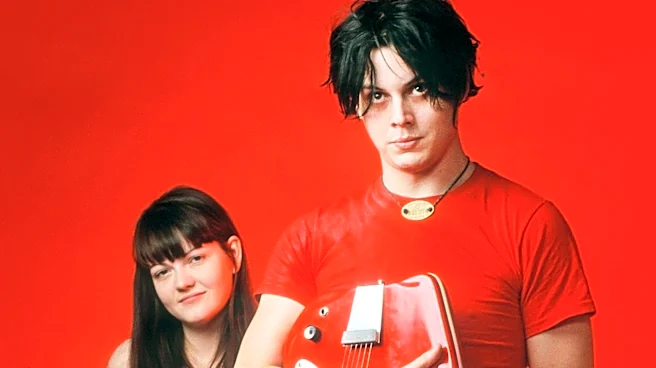
raised logistical issues that his tour could not accommodate. He also admitted that their stage content, which includes songs like 'Sex Magick' and 'Burn Your Bible,' was not suitable for an all-ages audience. Crockett claims he paid the band in full and informed them that 'the vibe just wasn't right.' He accused Twin Temple and their team of deliberately crafting a statement that made it appear they were kicked off the entire tour, despite only having two dates booked. Furthermore, Crockett expressed disappointment with Jack White, alleging that White used the controversy to sell tickets for his own shows and that White's outspokenness on political issues now contrasts with his past avoidance of such topics during the White Stripes era. White responded to Crockett's comments by quoting lyrics from the 1984 novelty rap song 'Rappin’ Duke.'
Why It's Important?
This dispute highlights the complexities artists face in managing tour logistics, artistic expression, and public perception, especially when controversial themes are involved. Crockett's explanation sheds light on the practical challenges of touring, suggesting that creative differences or thematic content can sometimes be secondary to operational constraints. The public exchange between Crockett and White, two prominent figures in the music industry, underscores the ongoing debate about artistic freedom versus audience appropriateness, particularly for all-ages events. Crockett's criticism of White's perceived shift in political engagement also touches on broader discussions within the entertainment industry regarding artists' roles in social and political discourse. The incident reveals how quickly tour-related decisions can escalate into public controversies, amplified by social media and media interpretations, often leading to misrepresentations of the initial events. This situation could influence how artists and their management teams approach collaborations and public statements in the future.
What's Next?
It is likely that the public discussion surrounding this incident will continue, particularly within music fan communities and industry circles. Twin Temple has not yet issued a response to Crockett's latest claims, and their reaction could further fuel the debate. Other artists and industry professionals might weigh in on the matter, offering their perspectives on tour management, artistic integrity, and public relations. The incident may prompt a re-evaluation of contractual agreements and communication strategies between headlining acts and supporting artists to prevent similar misunderstandings. For both Crockett and White, their public images and fan bases could be affected by how they navigate this controversy. The broader conversation about the role of 'satanic imagery' and controversial themes in music, especially for diverse audiences, is also likely to persist.
Beyond the Headlines
Beyond the immediate tour dispute, this event touches on deeper cultural and ethical considerations within the music industry. Crockett's assertion that the media 'sanitized these folks’ image for their own uses in the click bait traffic game that is America’s left-right culture war' points to the sensationalism often employed by media outlets and the impact of partisan narratives on public discourse. It raises questions about journalistic integrity and the pressure to generate engagement through controversy. The debate also reflects the evolving standards of what is considered acceptable or appropriate for public consumption, particularly in an era where diverse artistic expressions are increasingly visible. The differing approaches of Crockett and White to political engagement highlight the varied ways artists choose to use their platforms, and the potential for past actions to be re-examined in light of current events. This incident serves as a microcosm of larger societal tensions regarding freedom of expression, moral boundaries, and media representation.