
What's Happening?
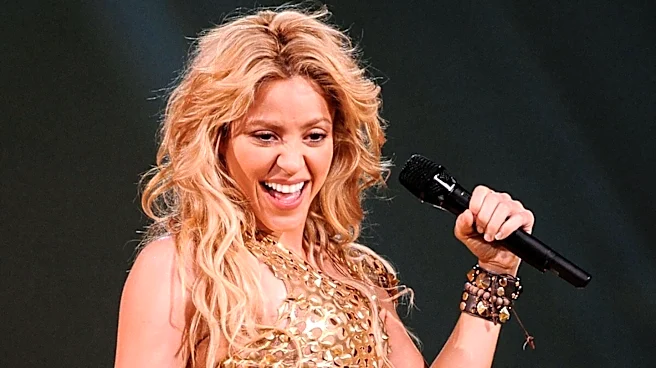
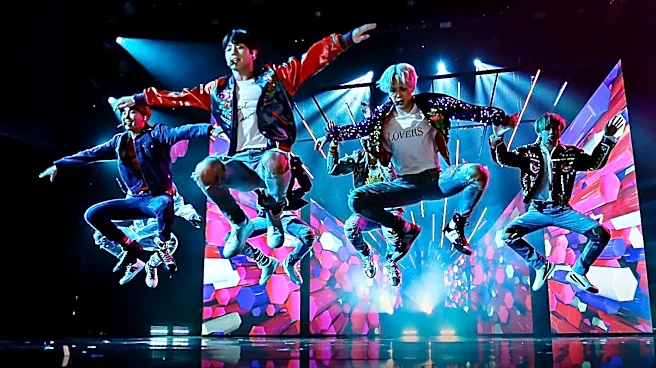
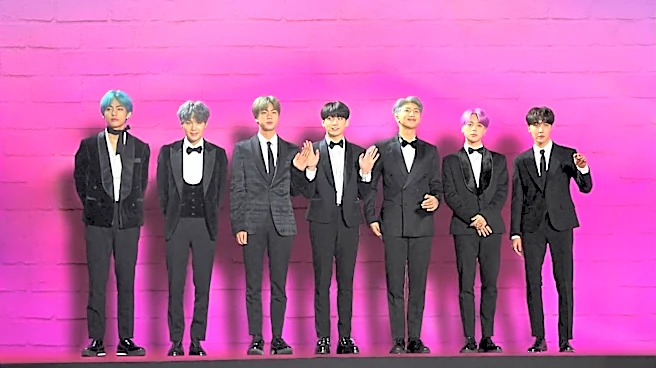
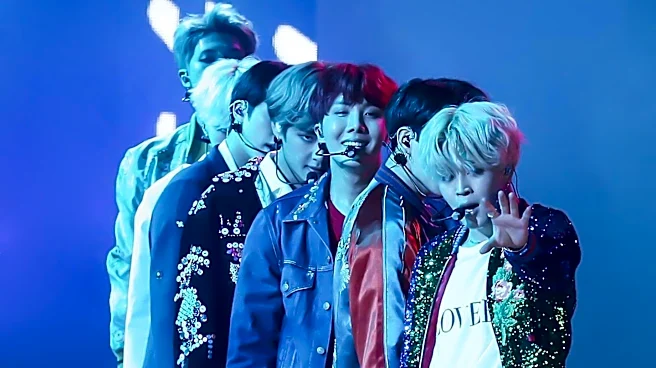
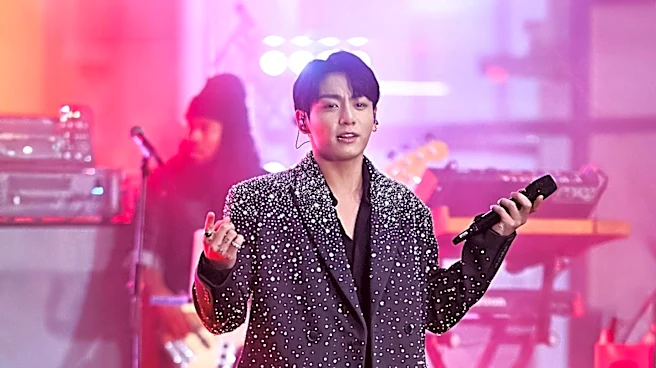
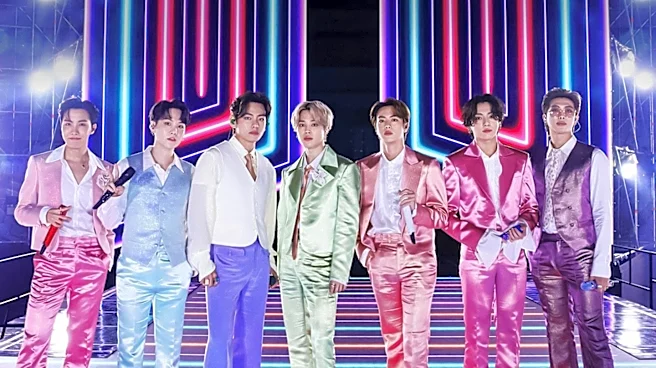
Justin Bieber took the stage during the halftime show of the FIFA World Cup final held in New Jersey on July 19, 2026. The event featured a lineup of high-profile performers, including Shakira, Madonna, and BTS, creating a vibrant and diverse musical
spectacle. The halftime show was part of a broader trend of integrating major musical performances into sporting events, aiming to enhance the entertainment value and global appeal of such occasions. Bieber's performance was a highlight, drawing attention from fans worldwide and contributing to the festive atmosphere of the World Cup final.
Why It's Important?
The inclusion of major musical acts like Justin Bieber in sporting events such as the FIFA World Cup final underscores the growing intersection between sports and entertainment. This trend reflects a strategic move to attract a broader audience, combining the global appeal of sports with the universal language of music. For artists, performing at such high-profile events offers significant exposure and the opportunity to reach diverse audiences. For the sports industry, it enhances the event's appeal, potentially increasing viewership and engagement. This fusion of music and sports could set a precedent for future events, influencing how they are marketed and experienced.
What's Next?
As the trend of integrating music into sports events continues, stakeholders in both industries may explore further collaborations. Future sporting events might feature even more elaborate musical performances, potentially involving cross-genre collaborations and innovative staging. Organizers will likely assess the impact of such integrations on audience engagement and revenue, shaping the planning of upcoming events. Artists may also seek to leverage these platforms for album promotions or to debut new music, further blurring the lines between sports and entertainment.