





What's Happening?
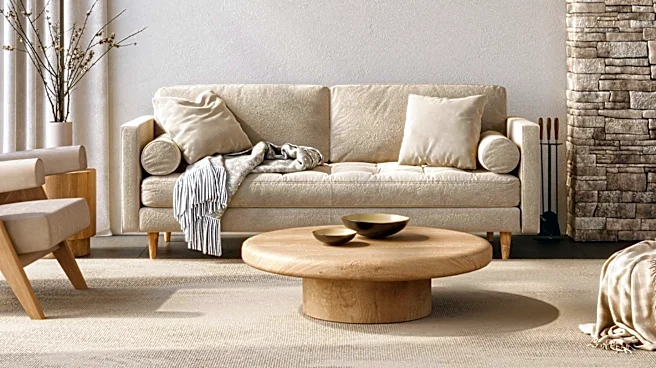
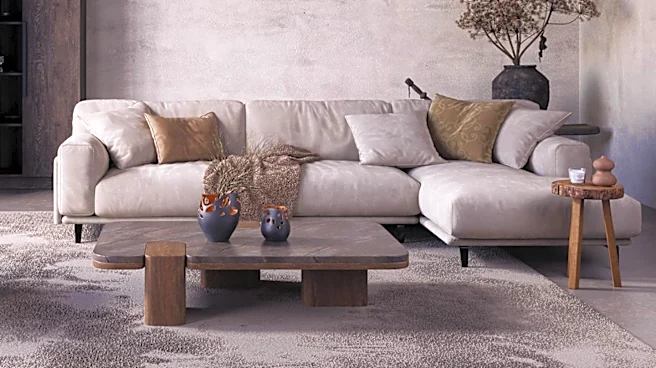
Minimalism, a principle advocating for fewer, purposeful possessions, is gaining traction across various domains, from lifestyle choices to creative industries. This philosophy is characterized by clean lines, natural materials, and a restrained aesthetic,
as exemplified by styles like Japandi, which merges Japanese and Scandinavian design elements. In design, minimalism aims to reduce elements to their essential forms, creating a quiet and uncluttered expression. This approach is seen as a counter-response to the visual overload prevalent in modern society, offering a sense of relief and focus. The core tenet of minimalism is to encourage individuals to own less and live more intentionally, prioritizing what truly matters in their lives. This movement is not merely about aesthetics but also about a conscious shift towards a more deliberate and meaningful existence.
Why It's Important?
The growing emphasis on minimalism holds significant implications for U.S. society and industries. For consumers, it represents a potential shift away from rampant consumerism towards more sustainable and mindful purchasing habits. This could impact retail sectors, encouraging brands to focus on quality, durability, and ethical production rather than fast fashion or disposable goods. In the design and architecture industries, minimalism promotes functional and aesthetically pleasing spaces that prioritize well-being and simplicity, potentially influencing urban planning and housing trends. However, there's a critical balance to strike; while minimalism can foster clarity and intentionality, an excessive application in branding or product design could lead to a dilution of originality and identity, making it challenging for businesses to differentiate themselves in a competitive market. The movement's focus on intentional living could also influence mental health and well-being, as individuals seek to reduce stress and clutter in their lives.
What's Next?
The trajectory of minimalism suggests a continued integration into various aspects of U.S. life. We can anticipate further innovation in product design that aligns with minimalist principles, focusing on multi-functionality, longevity, and sustainable materials. The real estate market may see an increased demand for smaller, more efficiently designed homes and living spaces. In the digital realm, the concept of 'digital minimalism' is likely to gain more prominence, with individuals and companies exploring ways to reduce digital clutter and enhance focused online interactions. Educational initiatives promoting mindful consumption and intentional living could also become more widespread. However, the challenge will be to prevent the commercialization of minimalism from undermining its core values, ensuring that it remains a genuine movement towards purposeful living rather than just another trend.
Beyond the Headlines
Beyond its immediate applications, minimalism touches upon deeper ethical and cultural dimensions within the U.S. It challenges the ingrained cultural narrative of 'more is better' and the pursuit of material wealth as a primary measure of success. This shift could lead to a re-evaluation of societal values, emphasizing experiences, relationships, and personal growth over material possessions. Environmentally, the minimalist movement offers a powerful framework for addressing overconsumption and its ecological impact, promoting a more sustainable relationship with resources. Legally, there might be future discussions around product lifecycles, repairability, and waste reduction, influenced by the growing demand for durable and purposeful goods. Culturally, minimalism could foster a greater appreciation for simplicity, craftsmanship, and the intrinsic value of objects, moving away from a throwaway culture towards one that values longevity and thoughtful design.