





What's Happening?
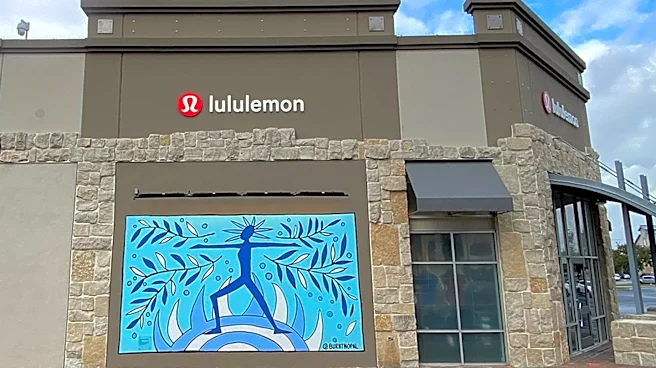
Troy Gumbs and Breana Allen, co-owners of the new Pilates and fitness studio Studio B in downtown Kissimmee, Florida, have faced significant community backlash on social media after painting over a mural on their building. The mural's removal was part
of their renovation efforts for the formerly rundown property, which is scheduled to open at the end of the month. The owners stated that their decision was not a criticism of Kissimmee's artistic culture or the mural's subject, but rather an effort to align the building's aesthetic with their business vision. They expressed surprise at the strong negative reaction from the community, with Allen noting, “We’ve definitely been shocked.” Gumbs clarified their stance, saying, “We just wanted to give it a fresh new look. That’s it. Nothing against Kowtown. We love the cow. We just didn’t like that cow.”
Why It's Important?
This incident highlights the growing tension between urban development, business aesthetics, and community artistic expression in U.S. cities. Murals often become integral parts of a community's identity and cultural landscape, and their removal, even by property owners, can spark significant public outcry. For businesses investing in revitalizing downtown areas, this situation underscores the importance of understanding and engaging with local cultural sensitivities. While property owners have the right to modify their buildings, the public reaction in Kissimmee demonstrates that such actions can have unintended consequences, potentially affecting public perception and community relations for new establishments. The incident also reflects a broader national conversation about public art preservation and the role of art in urban environments.
What's Next?
Gumbs and Allen are actively seeking to mitigate the negative community response by inviting artists to submit ideas and digital mock-ups for a new mural that would complement their studio's identity while still fitting the Kissimmee aesthetic. They expressed a desire to find a middle ground that satisfies both their business vision and community expectations. The City of Kissimmee has acknowledged the community interest surrounding the mural's removal, stating that the property owner met the requirements of the original grant for the building and that the exterior improvement project was a separate eligible investment. This suggests that while the city recognizes the community's feelings, the owners acted within their rights. The focus will now be on whether Studio B can successfully collaborate with local artists to create a new mural that is embraced by the community, thereby repairing their public image.
Beyond the Headlines
The controversy in Kissimmee extends beyond a single mural, touching upon deeper issues of gentrification, artistic freedom, and community ownership of public spaces. As downtown areas across the U.S. undergo revitalization, the balance between preserving existing cultural elements and allowing new businesses to establish their brand identity becomes a critical challenge. This event could prompt other cities and business owners to consider more proactive community engagement strategies when planning changes to public-facing art. It also raises questions about the long-term protection of public art, especially when it resides on private property, and whether local ordinances should be developed to mediate such disputes. The incident serves as a case study for how quickly local business decisions can escalate into broader cultural debates in the age of social media.