






What's Happening?
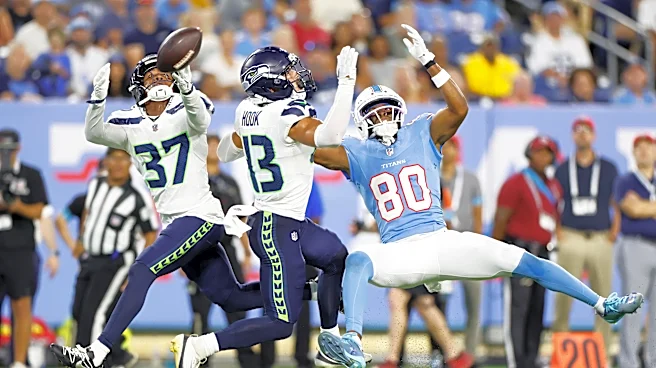
Head coach Mike Macdonald of the Seattle Seahawks is focusing on establishing a strong organizational culture and evaluating individual player performances rather than the team's win-loss record during the preseason. Macdonald has emphasized that preseason success
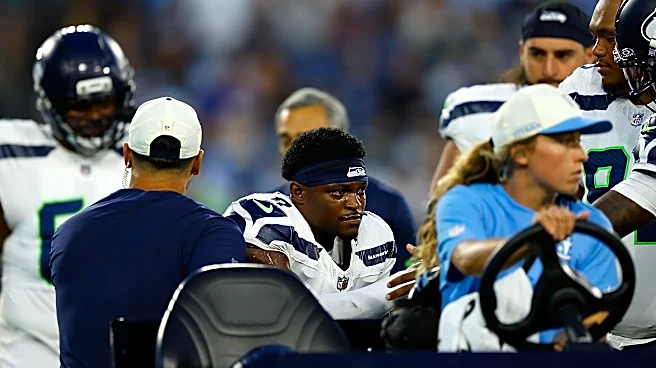
is not solely measured by victories, but by the effort, spirit, and leadership displayed by the players, as well as their understanding and execution of the playbook. He views the preseason as a critical period for installing a comprehensive 'culture system' within the team. This system is visually represented by core tenets like '12 As One' and 'Chasing Edges,' designed to be memorable and actionable for the players. Macdonald's approach involves defining, visualizing, teaching, modeling, correcting, and distributing this culture, ensuring it is deeply integrated into the team's operations. He has also highlighted the importance of avoiding injuries to key players during this preparatory phase, considering it a significant measure of preseason success.
Why It's Important?
Macdonald's emphasis on culture installation is crucial for the long-term success and stability of the Seattle Seahawks. By prioritizing a defined cultural system, he aims to foster a cohesive and resilient team environment that can withstand the pressures of a demanding NFL season. This approach suggests a belief that strong internal dynamics and shared values will ultimately translate into better on-field performance and sustained competitiveness. For the players, understanding and internalizing this culture can lead to improved individual accountability, better teamwork, and a clearer sense of purpose. This strategy also impacts the organization by creating a framework for decision-making and behavior, potentially reducing internal conflicts and enhancing overall efficiency. The focus on individual performance evaluation during the preseason, rather than just game outcomes, allows the coaching staff to make more informed roster decisions and tailor development plans for each player, which is vital for building a strong and adaptable team.
What's Next?
As the Seattle Seahawks transition from the preseason to Week 1, the focus will shift to how effectively Macdonald's installed culture translates into regular-season performance. The team will be closely watched to see if the emphasis on effort, spirit, and leadership, along with a deep understanding of the playbook, results in early-season success. The ongoing evaluation of individual players will continue, with potential roster adjustments as the season progresses based on their adherence to the team's cultural principles and on-field execution. The development of players recovering from injuries, such as Nick Emmanwori, will also be critical as the team aims to have a full complement of talent. The effectiveness of the leadership council in distributing ownership and reinforcing the team's standards will be a key indicator of the culture's strength. Ultimately, the coming weeks will reveal how Macdonald's systematic approach to culture building impacts the team's competitive standing in the league.
Beyond the Headlines
Macdonald's approach extends beyond typical football coaching, delving into organizational psychology and leadership. By treating culture as a 'system' that needs to be 'installed' rather than something that passively develops, he is applying principles often seen in successful corporate environments. This systematic installation involves clear communication, visual aids, and consistent reinforcement, aiming to create a self-sustaining culture where players protect the team's standards. The emphasis on 'demanding + human' leadership, as exemplified by his emotional sharing about his mentor O.J. Brigance while maintaining high accountability, highlights a modern leadership style that balances performance expectations with empathy. This holistic approach to team building could set a new standard in professional sports, demonstrating that success is not just about talent and strategy, but also about deeply ingrained values and a supportive, yet demanding, organizational ethos. It suggests that the long-term impact of a coach might be more about the culture they build than the immediate wins they secure.