






What's Happening?
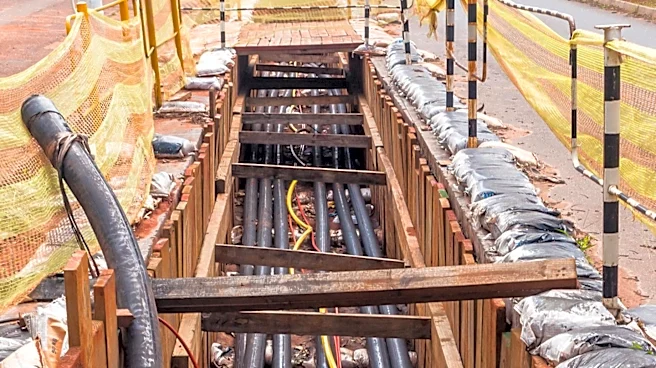
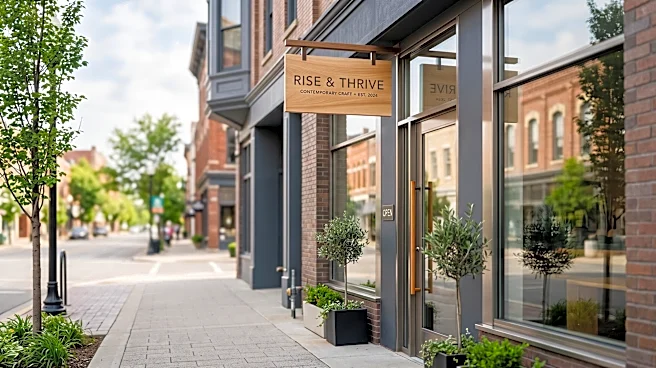
Businesses in the Las Vegas Arts District are experiencing significant financial hardship due to ongoing construction and road closures, which have severely reduced customer foot traffic. In an October 30 letter addressed to Councilwoman Olivia Diaz,
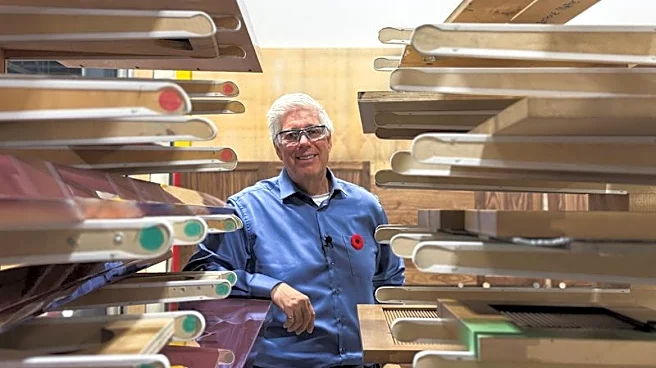
several business owners formally requested emergency relief from the city. Claire Conrad, co-owner of Conrad West Gallery, reported an 85% to 90% decrease in walk-in customers compared to the previous year. Other businesses are reporting similar declines in visitors, sales, and revenue. The letter outlined four specific measures for the city to consider: allowing 24-hour construction to expedite the project, expanding free parking options, providing temporary relief from certain city taxes and fees, and designating a city contact to assist businesses with construction-related disruptions. Tina Spruell, owner of Artistic Iron Works, stated that her 50-year-old business has had to tap into reserves to maintain operations due to the reduced accessibility for customers. The city has responded by suggesting options such as extending construction work hours and promoting downtown businesses on social media, and has already implemented measures like alternative routes, subsidized employee parking, and free lunch parking. Access from Charleston Boulevard to southbound Commerce Street is expected to reopen on November 20, but the entire storm drain project is projected to be completed by the end of 2027.
Why It's Important?
The severe decline in foot traffic and revenue for businesses in the Las Vegas Arts District highlights the significant economic impact that large-scale urban construction projects can have on local economies. Small and independent businesses, which often operate on thin margins, are particularly vulnerable to such disruptions. The request for emergency relief underscores the critical need for municipal governments to implement strategies that mitigate the adverse effects of public works on commercial areas. If these businesses are unable to sustain themselves through the prolonged construction period, it could lead to closures, job losses, and a decline in the cultural vibrancy of the Arts District. This situation also brings to light the challenges of urban planning and development, where infrastructure improvements, while necessary, must be balanced with the immediate needs of the business community. The city's response, including potential extensions of construction hours and promotional efforts, indicates an acknowledgment of the problem, but the long-term nature of the project means businesses will face sustained pressure.
What's Next?
Businesses in the Las Vegas Arts District will continue to engage with the city to advocate for the proposed relief measures, particularly temporary tax and fee exemptions, and expanded free parking. The city's current actions, such as promoting businesses on social media and providing some parking solutions, are initial steps, but the long-term nature of the construction project, expected to last until the end of 2027, means sustained support will be crucial. The reopening of access from Charleston Boulevard to southbound Commerce Street on November 20 may offer some immediate, albeit limited, relief to affected businesses. However, the core issue of reduced foot traffic due to ongoing construction will persist. Business owners will be closely monitoring the city's willingness to implement more substantial financial relief and dedicated support to help them survive until the project's completion. The outcome of these discussions will set a precedent for how Las Vegas addresses the impact of future urban development on its local business communities.
Beyond the Headlines
This situation in the Las Vegas Arts District reflects a broader challenge faced by urban centers undergoing revitalization or infrastructure upgrades: how to balance progress with the preservation of local commerce and culture. The Arts District, known for its unique galleries, shops, and eateries, contributes significantly to the city's identity and appeal. The potential loss of these businesses due to construction could lead to a homogenization of the urban landscape, diminishing the very character that makes the district attractive. This scenario also raises questions about the planning and communication processes for major public works projects, and whether sufficient impact assessments and mitigation strategies are put in place beforehand. The reliance on foot traffic for many small businesses highlights their vulnerability to physical barriers and reduced accessibility. Ultimately, the long-term health of urban districts depends not only on infrastructure but also on the resilience and support of their local business ecosystems.