






What's Happening?
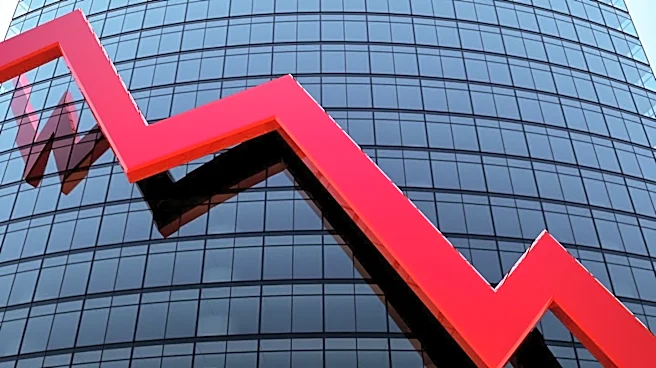
The U.S. economy experienced a loss of 23,000 jobs in July, according to the Bureau of Labor Statistics. This follows revisions that reduced job gains over the previous two months by over 100,000 jobs. Analysts had expected an increase of 83,000 jobs,
highlighting a significant miss in forecasts. Labor economist Aaron Sojourner noted a deceleration in both job growth and private sector wage growth. The report also indicated that average hourly earnings increased by 3.2% annually, trailing the inflation rate of 3.5%.
Why It's Important?
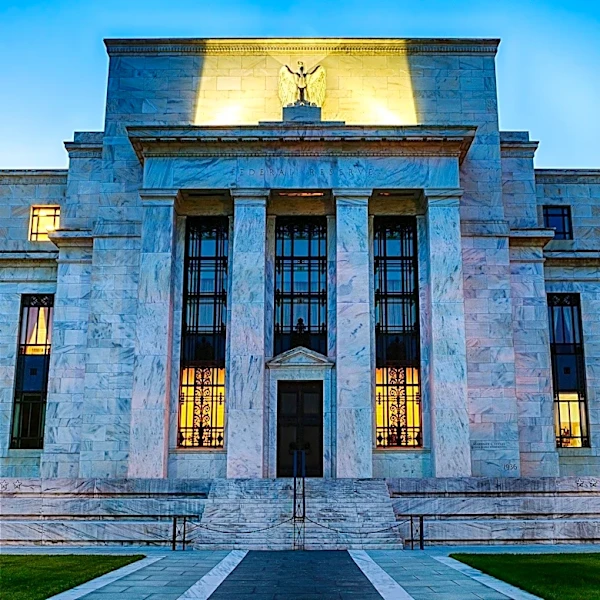
The decline in job numbers and slowing wage growth are concerning indicators for the U.S. economy, suggesting potential challenges in maintaining economic stability. The discrepancy between wage growth and inflation could impact consumer spending and overall economic health. These developments may influence Federal Reserve decisions regarding interest rates and monetary policy. The situation underscores the need for strategic economic interventions to bolster job creation and support wage growth.
What's Next?
Economists and policymakers will closely monitor labor market trends and inflation rates to assess the need for policy adjustments. The Federal Reserve may consider measures to stimulate job growth and address wage stagnation. Businesses and workers may face continued uncertainty, prompting discussions on economic resilience and workforce development strategies.