









What's Happening?
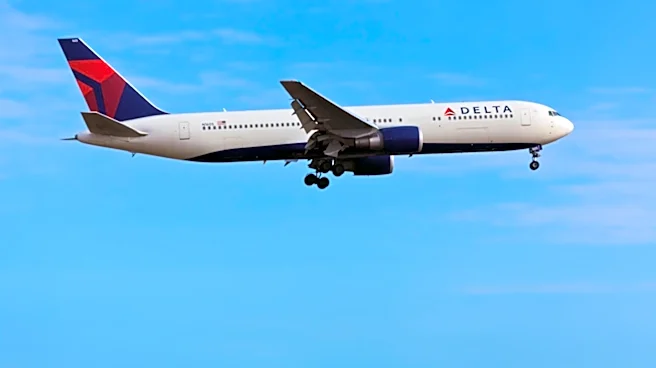
Delta Air Lines CEO Ed Bastian announced that airline fares are expected to remain elevated despite a potential decline in jet fuel prices. During a quarterly earnings call, Bastian highlighted that the airline industry is facing increased operational
costs, including fuel, labor, and infrastructure expenses. These challenges have made it difficult for low-cost carriers to maintain competitive pricing. Delta reported a $1.4 billion profit, attributing its success to strong travel demand and the ability to pass on a significant portion of fuel costs to consumers. Bastian emphasized that even with recent fare increases, airfares are still below inflation levels since the COVID-19 pandemic.
Why It's Important?
The sustained high airfares have significant implications for the airline industry and consumers. As operational costs rise, airlines are forced to adjust their pricing strategies, impacting affordability for travelers. This situation may lead to reduced competition among carriers, particularly affecting low-cost airlines. For consumers, the increased cost of air travel could influence travel decisions and spending patterns. The airline industry's ability to maintain profitability despite these challenges highlights the strong demand for travel and the evolving dynamics of consumer preferences post-pandemic.
What's Next?
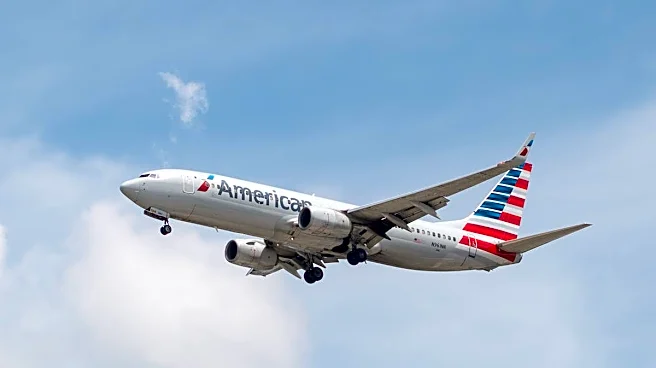
Delta Air Lines plans to continue adapting its business model to build resilience against fluctuating operational costs. This includes diversifying revenue streams and potentially increasing fares further to achieve breakeven in the current fuel environment. The airline's strategy may set a precedent for other carriers facing similar challenges. As Delta leads the industry in reporting quarterly results, upcoming earnings announcements from other major airlines like United and American Airlines will provide further insights into the sector's financial health and pricing strategies.