



What's Happening?
October marks a crucial period for gardeners in the U.S., with cooler temperatures signaling the ideal time for fall bulb planting and comprehensive garden cleanup. According to Easy To Grow Bulbs, this month is prime for planting spring-blooming bulbs
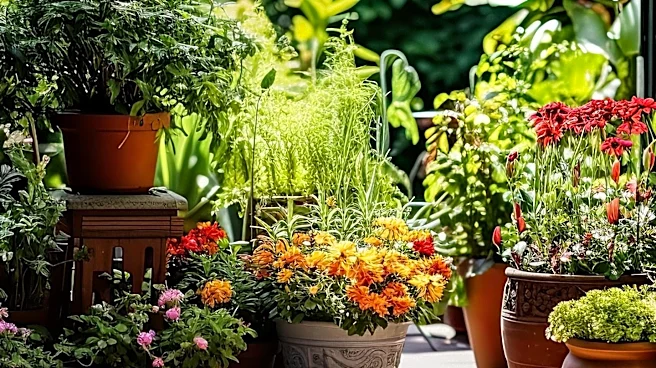
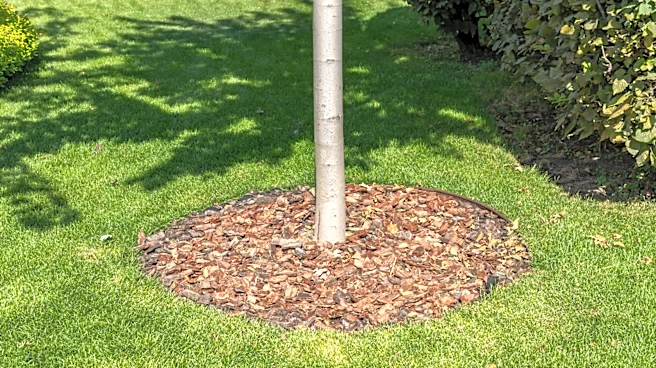
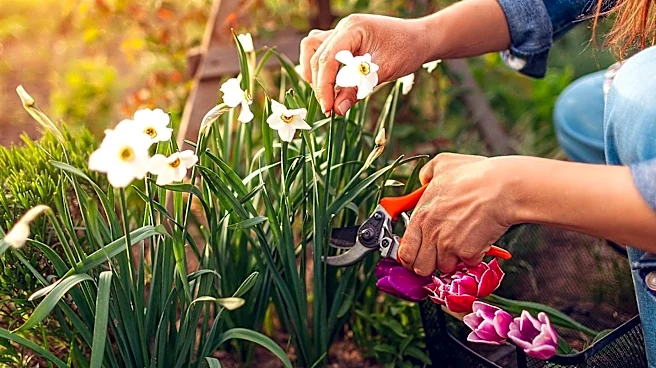
such as tulips, daffodils, crocus, hyacinths, and alliums, especially in cooler regions. Gardeners are advised to wait until soil temperatures reach around 55°F or cooler to encourage root establishment without premature top growth. Beyond planting, the checklist includes tidying garden beds by removing diseased plant material and problem weeds, while leaving healthy stems and seed heads for wildlife. Managing fallen leaves by shredding them for mulch or adding them to compost piles is also recommended. Additionally, refreshing mulch layers, dividing and relocating certain perennials, and continuing to weed are essential tasks. For those with container gardens, October is an opportune time to plant spring-blooming bulbs in layers for successive blooms, ensuring proper drainage and winter protection. Tender plants and bulbs, like dahlias and gladiolus, should be prepared for indoor relocation or storage before the first frost, depending on the climate.
Why It's Important?
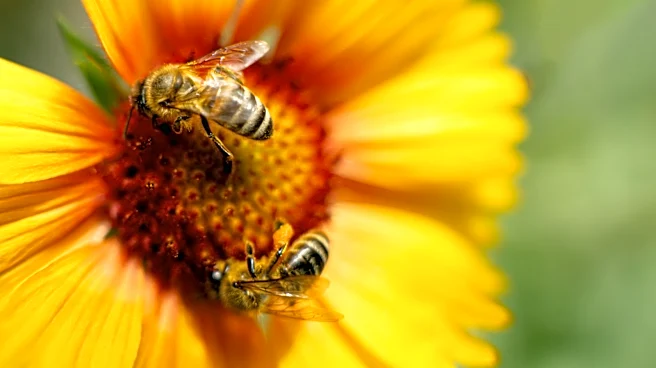
The October gardening checklist is vital for ensuring a vibrant and healthy garden in the upcoming spring season. Proper fall planting of bulbs allows them to undergo the necessary cold stratification, leading to robust blooms. This preparation not only enhances the aesthetic appeal of residential and public spaces but also supports local ecosystems by providing early spring nectar sources for pollinators. The emphasis on garden cleanup and mulching contributes to soil health, weed suppression, and moisture retention, reducing the need for chemical interventions and conserving water resources. For home gardeners, these activities can lead to significant cost savings on plants and produce, fostering a sense of self-sufficiency and connection to nature. Furthermore, the practice of taking notes and photos during this period aids in future garden planning, allowing for continuous improvement and adaptation to local conditions. The guidance on protecting tender plants and bulbs prevents losses due to frost, safeguarding investments and efforts made throughout the growing season.
What's Next?
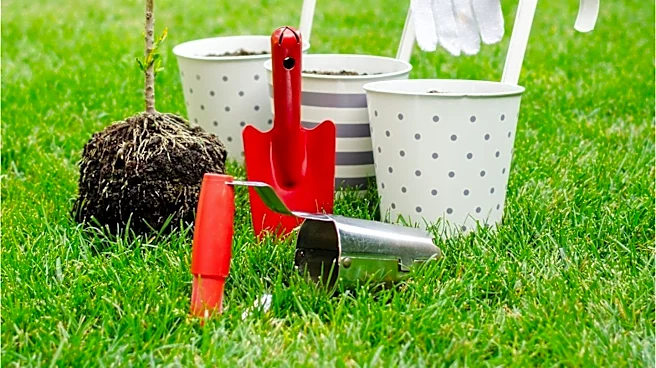
As October progresses, gardeners will continue to focus on completing their fall planting and preparation tasks before the onset of colder weather. The next steps involve monitoring soil temperatures to ensure optimal conditions for bulb planting and ensuring that all tender plants are either brought indoors or adequately protected from frost. Gardeners in warmer zones may need to adjust their planting schedules, potentially waiting until later in the fall for certain bulbs or pre-chilling them. Ongoing maintenance will include consistent watering for newly planted areas, especially if fall remains dry. The process of dividing and moving perennials will continue, with careful attention to the specific needs of each plant and local climate conditions. Preparing for winter also means ensuring that all garden tools are cleaned and stored properly to extend their lifespan. The notes and photos taken during this period will serve as valuable resources for planning next year's garden, influencing decisions on plant selection, layout, and problem areas to address.
Beyond the Headlines
Beyond the immediate tasks, the October gardening checklist reflects a deeper connection to seasonal cycles and sustainable living practices. The act of preparing a garden for winter and anticipating spring blooms fosters patience and a long-term perspective, contrasting with the fast-paced nature of modern life. By encouraging the use of shredded leaves for mulch and compost, the guidelines promote waste reduction and nutrient cycling, contributing to a more circular economy within the household. The advice to leave healthy stems and seed heads for wildlife highlights an ecological awareness, recognizing the garden as part of a larger ecosystem that supports biodiversity. This approach to gardening can also have significant mental health benefits, providing a calming and rewarding activity that reduces stress and promotes physical well-being. The emphasis on local climate considerations and plant-specific needs encourages gardeners to become more attuned to their immediate environment, fostering a sense of place and responsibility towards the natural world.