









What's Happening?
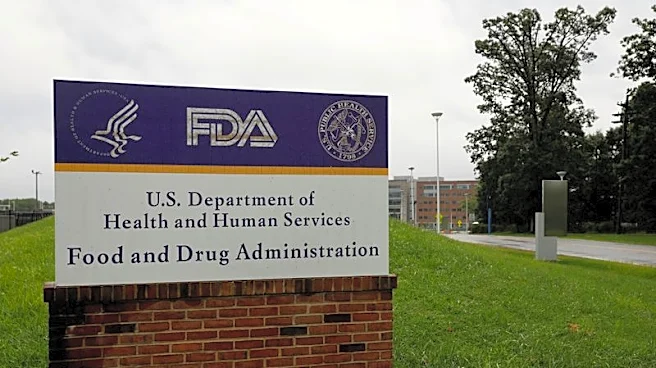
Minicircle, a company based in Austin, Texas, is set to offer an unapproved gene therapy designed to increase the production of the anti-aging protein klotho. This therapy, which has not undergone rigorous clinical trials or received approval from the U.S.
Food and Drug Administration (FDA), will be available in countries like Honduras, the Bahamas, and Panama. The company has opened a waitlist for interested individuals and plans to make the treatment available within the next six months. The therapy involves injecting minicircle DNA into a person's abdominal fat, prompting cells to produce klotho, which circulates throughout the body. Despite the potential benefits, medical ethicists warn against bypassing regulatory safeguards, citing risks of untested therapies.
Why It's Important?
The decision by Minicircle to offer this gene therapy overseas highlights significant ethical and regulatory concerns in the field of medical innovation. By circumventing FDA regulations, the company raises questions about patient safety and the potential for adverse effects. The therapy's availability without thorough testing could set a precedent for other companies to follow suit, potentially undermining the integrity of medical research and development. This situation underscores the tension between rapid innovation and the need for stringent safety protocols to protect public health.
What's Next?
Minicircle plans to continue offering the therapy in international clinics, with a focus on expanding its reach. The company has not yet published results from its initial trials, but it claims to be preparing data for publication. The broader medical community may respond with increased scrutiny and calls for tighter regulations on international medical practices. If adverse effects are reported, it could lead to stricter oversight and potential legal challenges. Meanwhile, the FDA and other regulatory bodies may need to address the loopholes that allow such practices to occur.
Beyond the Headlines
The move by Minicircle could have long-term implications for the biotechnology industry, particularly in how new therapies are developed and approved. It raises questions about the balance between innovation and regulation, and whether current frameworks are sufficient to handle emerging technologies. The situation also highlights the ethical responsibility of companies to ensure patient safety and the potential consequences of prioritizing profit over rigorous scientific validation.