






What's Happening?
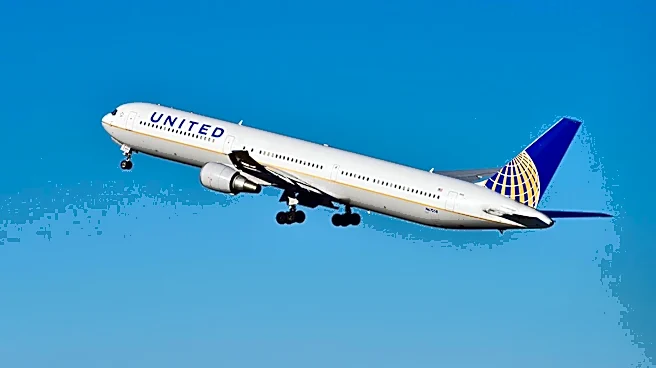
Scott Kirby, the CEO of United Airlines, has adopted a distinctive approach to his daily schedule, emphasizing strategic thinking over traditional corporate busyness. He limits his meetings to a maximum of four hours per day and insists on conversational
discussions rather than presentations read from PowerPoint slides. Kirby expects to receive any presentation materials in advance, allowing meetings to be used for genuine dialogue. This strategy is rooted in his belief that a CEO's primary role is to 'think hard' rather than 'work hard,' focusing on long-term vision and anticipating future challenges. His routine also includes significant time dedicated to reading—approximately three hours daily—covering a wide range of materials from newspapers to books on history, science, and science fiction. He also prioritizes sleep, aiming for around 8.5 hours per night, and often takes a short afternoon nap. This disciplined approach is designed to free up mental space for critical decision-making and forward-looking strategy for one of the world's largest airlines.
Why It's Important?
Kirby's management philosophy challenges conventional corporate norms that often equate productivity with long hours and back-to-back meetings. His emphasis on deep thinking and strategic foresight is crucial for an airline CEO, where decisions regarding aircraft orders, route expansions, and technological upgrades have multi-year implications. By limiting operational distractions, Kirby aims to identify emerging trends and potential risks that others might overlook, as exemplified by his study of Iranian history informing United's early preparations for geopolitical conflicts affecting aviation. This approach could lead to more innovative and resilient strategies for United Airlines, potentially giving it a competitive edge in a highly dynamic industry. Furthermore, his focus on employee morale, by eliminating operational failures, suggests a holistic view of leadership that connects internal well-being with external performance and customer satisfaction. This could influence other corporate leaders to re-evaluate their own productivity models.
What's Next?
The long-term impact of Kirby's leadership style on United Airlines' performance will be closely watched. His strategic bets, such as significant aircraft orders and international network expansions, are expected to materialize in the coming years, with over 250 new aircraft slated for delivery by April 2028 and 10 new overseas destinations announced for 2027. The airline is also investing heavily in digital experiences, aiming to equip nearly 1,000 planes with Starlink Wi-Fi by the end of the year. If these initiatives prove successful, Kirby's unconventional approach to executive management could become a case study for other large corporations seeking to foster innovation and long-term growth. Competitors will likely observe whether United's strategic clarity and execution improve under this model, potentially prompting a broader re-evaluation of executive time management and decision-making processes across the industry.
Beyond the Headlines
Kirby's routine highlights a broader discussion about the nature of leadership in complex organizations. His rejection of 'performative busyness' suggests a shift towards valuing intellectual capital and foresight over sheer volume of work. This could have profound implications for corporate culture, encouraging environments where reflection and critical analysis are prioritized. Ethically, it raises questions about the sustainability of traditional executive demands and whether constant activity truly leads to better outcomes. Legally, while not directly impacted, a more thoughtful leadership approach could lead to more robust and well-considered corporate governance. Culturally, it challenges the ingrained notion that busy schedules are a badge of honor, potentially paving the way for a more balanced and effective leadership paradigm that values well-being and deep thought as essential components of success. This could inspire a new generation of leaders to adopt similar practices, fostering a more strategic and less reactive corporate landscape.