




What's Happening?
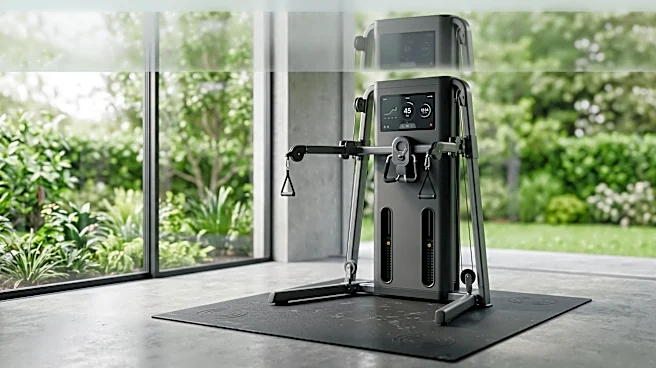
A comparison has been released detailing the features of the AEKE K1 and Speediance Gym Monster 2 smart home gyms. The analysis focuses on key aspects such as size, guidance systems, maximum resistance, resistance modes, and subscription terms. Both machines
offer up to 220 lb of resistance. The Speediance Gym Monster 2 has a shorter unfolded length, while the AEKE K1 offers resistance modes like Elastic and Rowing, and explicitly states no monthly subscription for its training content. The Gym Monster 2 features a 'Chain' mode designed to mimic lifting with real chains. Guidance systems vary, with the K1 highlighting AI real-time coaching and form correction, and the Gym Monster 2 offering scheduled plans and curated workouts with real-time 1RM updates and imbalance feedback. The comparison emphasizes that the choice between the two depends on available floor space, preferred guidance style, and willingness to pay recurring costs.
Why It's Important?
This comparison is crucial for U.S. consumers navigating the expanding smart home gym market. As more individuals seek convenient and effective at-home fitness solutions, detailed analyses like this help them make informed purchasing decisions. The differing features, particularly regarding subscription models and resistance modes, cater to diverse user preferences and budgets. The emphasis on space considerations is vital for urban dwellers or those with limited home areas. For manufacturers, this highlights the competitive landscape and the need to innovate in areas such as AI coaching, diverse resistance types, and transparent pricing. The presence of subscription-free options like the AEKE K1 could disrupt the market by appealing to cost-conscious consumers, while advanced coaching features in both machines reflect the growing demand for personalized and data-driven fitness experiences.
What's Next?
The smart home gym market is likely to see continued innovation, with manufacturers focusing on enhancing AI-driven coaching, expanding resistance mode options, and optimizing machine footprints for smaller living spaces. Consumers can anticipate more detailed comparisons and reviews as new products enter the market, further empowering their purchasing decisions. The debate between subscription-based and subscription-free models will probably intensify, with companies exploring hybrid approaches or offering more flexible payment structures. As technology advances, integration with other health and wellness platforms, as well as personalized nutrition and recovery guidance, could become standard features. The emphasis on user experience, including ease of setup, maintenance, and customer support, will also be a key differentiator in this competitive sector.
Beyond the Headlines
The rise of smart home gyms like the AEKE K1 and Speediance Gym Monster 2 signifies a broader trend towards the 'gamification' and 'personalization' of fitness. These devices are not just exercise equipment; they are integrated platforms offering coaching, tracking, and community features. This development raises questions about data privacy, as these machines collect extensive user performance data. It also highlights the increasing reliance on technology for health and wellness, potentially creating a divide between those who can afford such advanced systems and those who cannot. Furthermore, the shift from traditional gym environments to home-based, AI-guided workouts could alter social aspects of fitness, emphasizing individual progress over communal experiences. The long-term impact on physical literacy and the role of human trainers in an AI-dominated fitness landscape also warrant consideration.