


What's Happening?
WWE's post-production department is reportedly feeling constrained by Netflix's censorship policies, which have led to several instances of content being blurred or edited on Monday Night Raw. Recent examples include the blurring of Jey Uso's face during
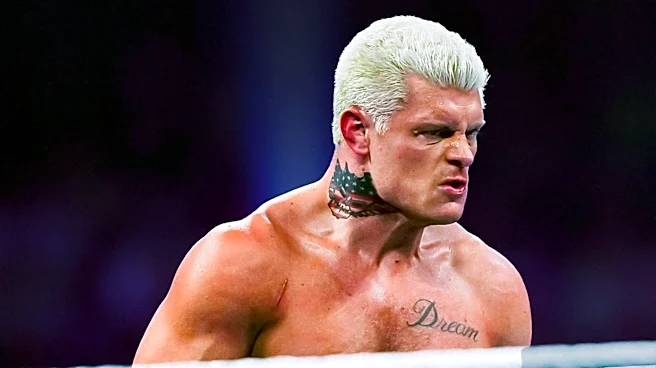
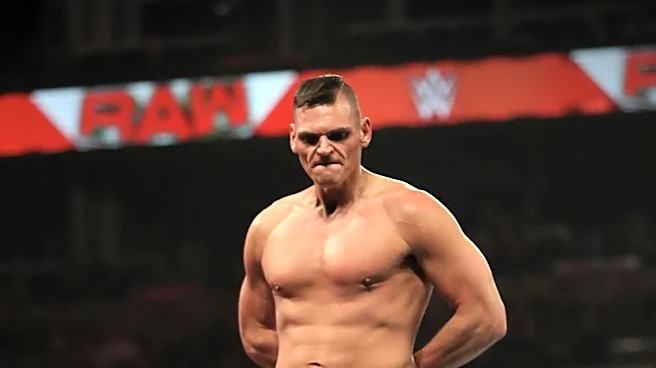
a beatdown segment, censorship of blood on Bron Breakker, and edits to a scuffle between Cody Rhodes and Gunther, and even Brock Lesnar's t-shirt. While WWE was aware of Netflix's restrictions, the intensity of the censorship was unexpected by some internally. Following a recent incident, Triple H made an internal decision to release an unedited version of the Bloodline/Keys angle on social media, indicating a desire to present the content as originally intended. This move suggests a growing tension between WWE's creative vision and Netflix's content guidelines.
Why It's Important?
This situation highlights a significant challenge for WWE as it navigates its partnership with Netflix, a major streaming platform. The censorship impacts the creative freedom of WWE's storytelling, potentially diluting the impact of key angles and character developments. For fans, it means a potentially altered viewing experience on Netflix compared to other platforms or social media. The decision by Triple H to release unedited content on social media underscores the importance WWE places on maintaining the integrity of its narratives, even if it means bypassing its primary broadcast partner. This could set a precedent for how WWE handles future censorship issues and might influence negotiations with streaming services regarding content standards. The financial implications of a strained relationship with Netflix, a key distribution channel, could be substantial for WWE.
What's Next?
The ongoing discussions within WWE regarding Netflix's censorship are likely to continue. It remains to be seen whether WWE will formally address these concerns with Netflix to establish clearer guidelines or if they will continue to use social media as an outlet for uncensored content. This situation could lead to a re-evaluation of content standards for WWE programming on streaming platforms. Future broadcasts on Netflix will be closely watched for further instances of censorship and how WWE chooses to respond. The outcome of these internal and external discussions could shape the future of WWE's content delivery and its relationship with major streaming partners.
Beyond the Headlines
The tension between WWE's creative output and Netflix's censorship policies touches upon broader themes of artistic freedom versus platform responsibility. As streaming services become dominant content distributors, they increasingly exert influence over the material they host. This scenario raises questions about who ultimately controls the narrative and presentation of content, especially for a product like professional wrestling that often relies on dramatic and sometimes violent storytelling. The ethical implications of altering content for a specific audience, and the potential impact on the authenticity of the product, are also at play. This situation could serve as a case study for other content creators and distributors grappling with similar issues in the evolving media landscape.