


What's Happening?
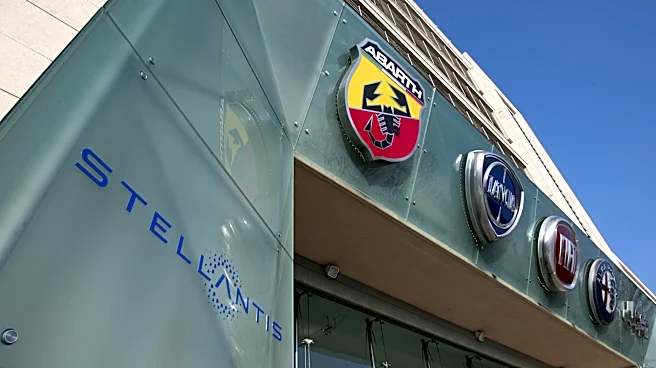
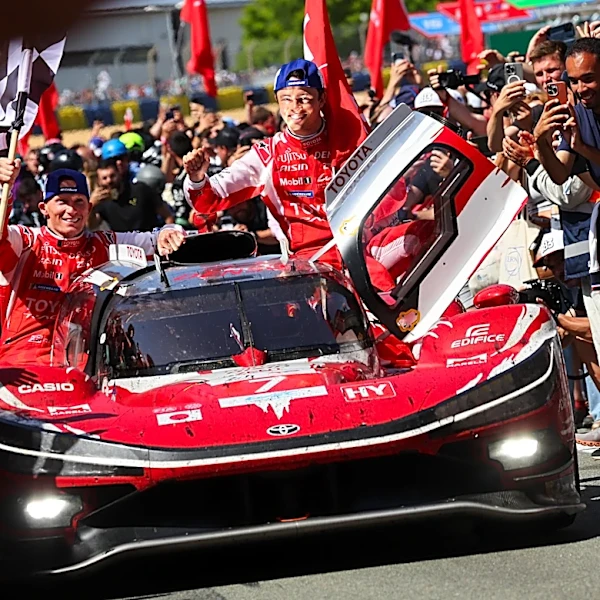
Stellantis, the parent company of Dodge, is reportedly planning to discontinue its World Endurance Championship program (under Peugeot) and World Rally Championship program (under Lancia). This move is expected to be announced soon and is part of a broader
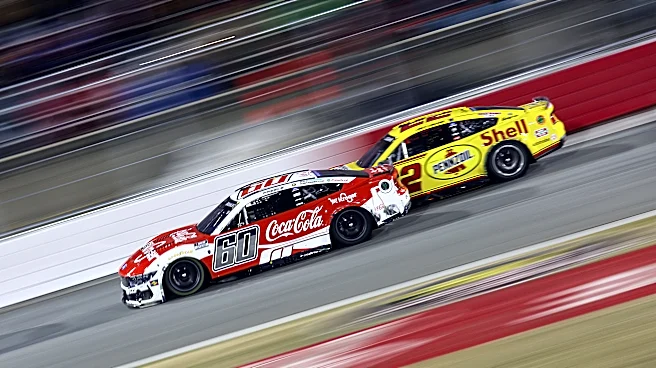
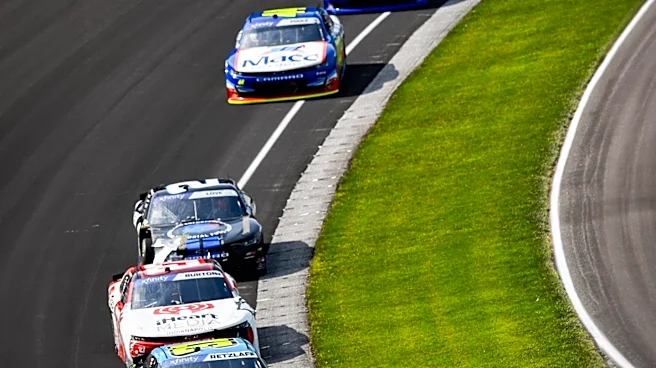
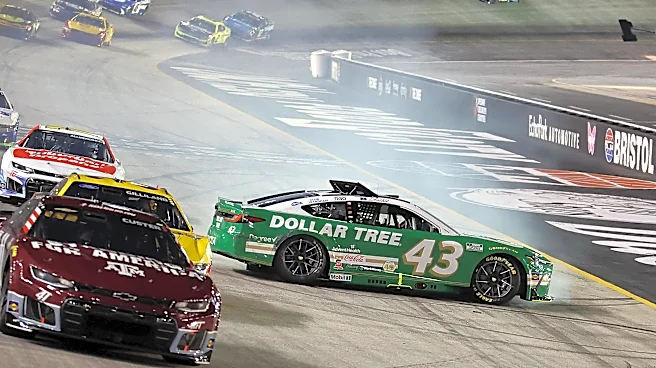
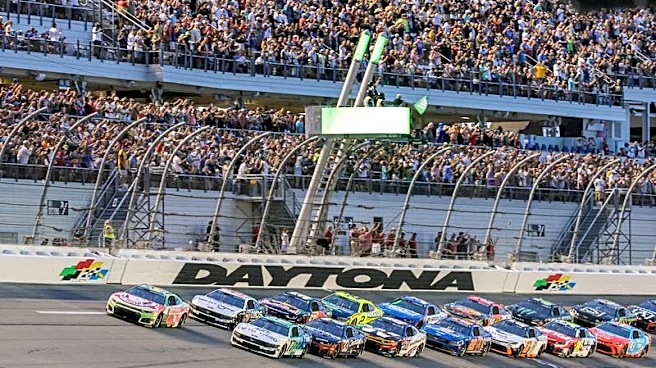
cost-cutting initiative by the company, primarily affecting its European racing division, Stellantis Motorsport. The automaker's involvement in Formula E through Citroen and Opel is also presumed to conclude. However, these changes will not impact Dodge's previously announced return to the NASCAR Cup Series in 2027. The decision to scale back European racing efforts is distinct from the strategic commitment to re-enter the U.S.-centric NASCAR series, indicating a targeted approach to motorsports investments.
Why It's Important?
Stellantis's decision to withdraw from several European racing series while maintaining its commitment to NASCAR highlights a strategic shift in its global motorsports priorities. This move suggests a focus on optimizing resources and investing in platforms that align most effectively with specific market objectives. For the U.S. market, Dodge's return to NASCAR is a significant investment aimed at leveraging the sport's massive audience and strong brand association with performance and American automotive culture. Conversely, the cessation of European programs indicates a re-evaluation of their return on investment in those specific championships. This could free up capital and engineering resources that might be redirected towards more impactful ventures, including the NASCAR program. The distinction underscores the unique value proposition that NASCAR offers to manufacturers targeting the American consumer base, emphasizing its importance in Stellantis's overall brand strategy for the U.S.
What's Next?
Stellantis is expected to formally announce the termination of its World Endurance and World Rally Championship programs in the near future. Following this, the company will likely outline its revised motorsports strategy, detailing how resources will be reallocated. For Dodge's NASCAR return, the focus will remain on developing its Cup Series program for the 2027 season, including vehicle development, team partnerships, and driver selections. The cost-cutting measures in Europe are unlikely to directly affect the NASCAR project's timeline or budget, as it appears to be a separate strategic initiative. Stakeholders in the affected European series will need to adapt to the departure of Peugeot and Lancia, potentially leading to shifts in team compositions and manufacturer participation in those championships. Meanwhile, the NASCAR community will continue to anticipate further details regarding Dodge's re-entry.
Beyond the Headlines
This strategic realignment by Stellantis reflects broader trends in the automotive industry, where manufacturers are increasingly scrutinizing the return on investment for their motorsports programs. With the global shift towards electrification and sustainable mobility, companies are re-evaluating traditional racing expenditures in favor of initiatives that better align with future product lines and brand messaging. While NASCAR remains a powerful platform for internal combustion engine performance, Stellantis's decision to exit other series could signal a more selective approach to motorsports, prioritizing those with the clearest commercial and brand benefits. This could also indicate a move towards consolidating marketing budgets to focus on key markets and demographics. The continued commitment to NASCAR, despite broader cutbacks, underscores the enduring cultural and commercial significance of stock car racing in the United States for automotive brands seeking to connect with a specific consumer base.