







What's Happening?
Medical professionals have highlighted potential health risks associated with sleeping with a fan on, particularly for individuals with allergies or asthma. According to Dr. William Lu, the medical director at Dreem Health, the constant breeze from a fan can
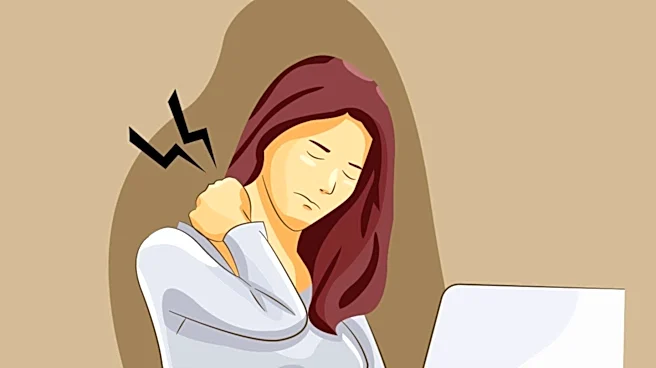
circulate allergens such as dust, pollen, and pet dander, exacerbating symptoms like coughing, wheezing, and congestion. Additionally, the airflow can dry out nasal passages, leading to increased mucus production and congestion. Dr. Julius Goh, an ENT specialist, notes that this dryness can impair the mucociliary clearance system, which is essential for removing allergens from nasal passages. Furthermore, prolonged exposure to cool air can cause muscle stiffness and dry out the skin and eyes, worsening conditions like eczema and psoriasis.
Why It's Important?
The information is crucial for individuals who rely on fans to stay cool during hot summer nights, as it highlights the potential for worsening respiratory conditions and skin issues. This is particularly significant for those with pre-existing health conditions such as asthma or allergies, who may experience heightened symptoms. Understanding these risks allows individuals to take preventive measures, such as cleaning fan blades regularly, using oscillating fans, and maintaining proper humidity levels in their homes. This awareness can help mitigate adverse health effects and improve overall sleep quality.
What's Next?
To minimize the negative effects of using a fan, experts recommend several strategies. These include positioning the fan away from the body, using oscillating features to distribute airflow evenly, and maintaining a clean environment to reduce allergens. Additionally, individuals are advised to keep their home's humidity levels between 30-50% and consider using saline nasal sprays to prevent dryness. These steps can help individuals continue using fans for comfort without compromising their health.