




What's Happening?
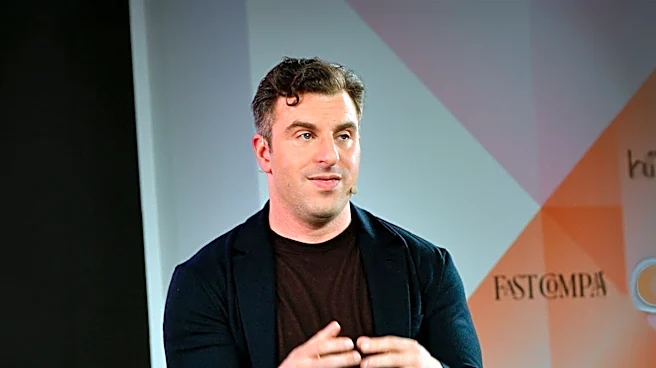
Sherif Mansour, Head of AI and Product Craft at Atlassian, a company known for collaboration software like Jira and Confluence, has shared insights into the evolving role of product management, particularly in the age of artificial intelligence. With
17 years at Atlassian, Mansour, who was the company's first Product Manager for Confluence and later its first Distinguished PM, now spearheads both product management craft across the organization and Atlassian’s AI product strategy. His discussions highlight key aspects of modern product management, including the primary responsibility of building a 'shared brain' within teams, identifying different types of product managers (artist, scientist, GM), and the reasons behind the rapid growth of PM roles in the AI era. He also touched upon Atlassian's strategy of hiring more junior product managers and common pitfalls for new PM managers. These insights were shared in a recent discussion, emphasizing the strategic shifts occurring within the tech industry's product development landscape.
Why It's Important?
The insights from Sherif Mansour are significant for the U.S. tech industry and its workforce, particularly for those in product management and AI development. His perspective from Atlassian, a major software company, indicates a broader trend in how companies are adapting to AI integration and talent development. The emphasis on building a 'shared brain' underscores the increasing need for cohesive team collaboration and communication in complex AI projects, which can impact project efficiency and innovation across U.S. tech firms. The growth of PM roles in AI suggests a rising demand for professionals who can bridge technical development with market needs, potentially leading to new career opportunities and skill requirements. Furthermore, Atlassian's approach to hiring more junior PMs could influence talent acquisition strategies across the industry, fostering new talent pipelines and shaping future product leadership. Understanding these trends is crucial for businesses aiming to remain competitive and for professionals seeking to advance their careers in the rapidly evolving tech sector.
What's Next?
The trends highlighted by Sherif Mansour suggest several foreseeable developments in the U.S. tech landscape. Companies are likely to increasingly focus on developing robust internal communication and knowledge-sharing frameworks to foster a 'shared brain' environment, especially as AI projects become more intricate. This could lead to the adoption of new collaboration tools and methodologies. The continued growth in demand for product managers, particularly those with AI expertise, will likely drive educational institutions and professional development programs to tailor curricula to these emerging needs. We may see an increase in specialized training for AI product management. Additionally, Atlassian's strategy of investing in junior product managers could inspire other tech companies to re-evaluate their hiring practices, potentially leading to more entry-level opportunities and structured mentorship programs within the industry. This shift could help cultivate a new generation of product leaders equipped for the AI-driven future.
Beyond the Headlines
Beyond the immediate implications, Mansour's observations point to deeper shifts in organizational structures and the very nature of work within the tech industry. The concept of a 'shared brain' transcends mere collaboration; it suggests a move towards more decentralized decision-making and collective intelligence, challenging traditional hierarchical models. This could foster more agile and responsive product development cycles, but also raise questions about accountability and individual ownership in a highly integrated team environment. The increasing specialization of product management roles within AI also highlights an ongoing ethical consideration: how to ensure that AI products are developed responsibly and align with societal values, given the immense power these technologies wield. As more junior PMs enter the field, there will be a critical need for robust ethical guidelines and training to ensure that the next generation of product leaders is equipped not just with technical skills, but also with a strong ethical compass to navigate the complexities of AI development.