






What's Happening?
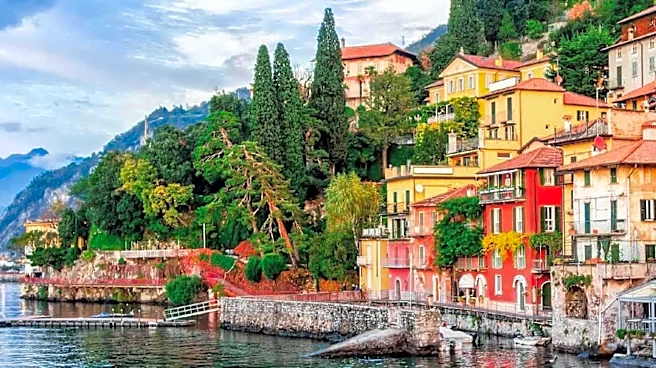
Lake Como is highlighted as a premier destination in Northern Italy, distinguished by its dramatic mountain views, colorful hillside villages, and iconic locations such as Bellagio and Varenna. According to the source, Lake Como provides a more active
and engaging experience with numerous villages, villas, gardens, viewpoints, swimming spots, and ferry trips that can easily fill several days. The central ferry connections are noted as a significant advantage, allowing convenient travel between towns like Bellagio, Varenna, Menaggio, and Cadenabbia without a car. This ease of movement and the scenic ferry rides are considered part of the overall experience. In contrast, Lake Maggiore is described as a calmer, more relaxed alternative, better suited for those seeking a slower pace and less crowded environment, though it offers fewer major sights and feels more spread out.
Why It's Important?
The distinction between Lake Como and Lake Maggiore is important for travelers planning itineraries in Northern Italy, particularly for U.S. tourists seeking specific types of experiences. Lake Como's appeal lies in its vibrant sightseeing opportunities and picturesque settings, which cater to visitors looking for an active and visually rich vacation. This makes it a strong draw for the tourism industry, potentially influencing travel package developments and marketing strategies targeting U.S. consumers. Conversely, Lake Maggiore offers a niche for those prioritizing relaxation and a quieter atmosphere, which could appeal to a different segment of the U.S. travel market. The ease of access to Lake Como from Milan by direct train also makes it a convenient option for U.S. travelers arriving in Italy's financial hub, potentially boosting short-stay tourism and day trips.
What's Next?
Travelers planning trips to Northern Italy will continue to weigh the distinct offerings of Lake Como and Lake Maggiore based on their preferences. For those prioritizing scenic beauty, diverse activities, and a classic Italian lake experience, Lake Como is likely to remain the preferred choice, especially for first-time visitors. The continued popularity of Lake Como may lead to further development in its tourism infrastructure, including accommodations and guided tours, to cater to the high demand. Conversely, Lake Maggiore may see increased interest from travelers seeking a more tranquil getaway or those looking to combine their Italian trip with a visit to Switzerland, given its geographical advantage. Travel agencies and tour operators will likely continue to offer tailored itineraries that highlight the unique aspects of each lake, or even combined tours for those with sufficient time.
Beyond the Headlines
The contrasting appeal of Lake Como and Lake Maggiore reflects broader trends in tourism, where destinations are increasingly catering to diverse traveler preferences, from active exploration to serene relaxation. Lake Como's 'wow factor' and bustling atmosphere, while attractive, also highlight the challenges of managing over-tourism in popular destinations, potentially leading to discussions about sustainable tourism practices and crowd management. The emphasis on ferry travel in Lake Como underscores the importance of public transportation infrastructure in enhancing the visitor experience and reducing reliance on private vehicles. For Lake Maggiore, its role as a gateway to Switzerland suggests a growing trend of multi-country European itineraries, where geographical proximity influences travel decisions. These dynamics could shape future investment in regional transport links and cross-border tourism initiatives, impacting how U.S. travelers perceive and plan their European vacations.