



What's Happening?
Japandi is an emerging interior design style that merges Japanese and Scandinavian principles, emphasizing simplicity, natural materials, and a serene aesthetic. This style draws from the Japanese philosophy of wabi-sabi, which finds beauty in imperfection,
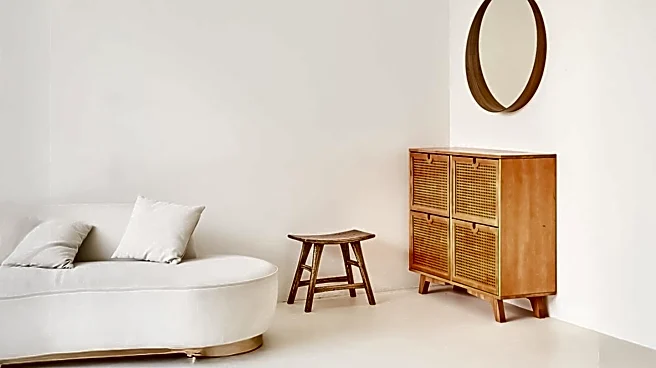
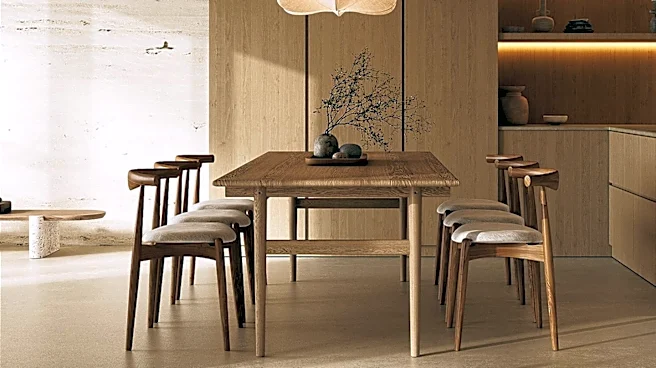
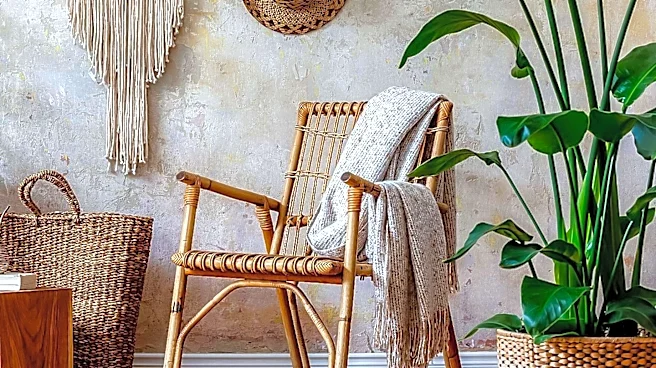
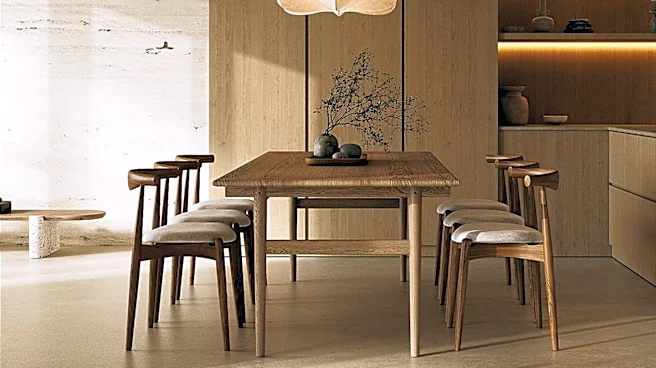
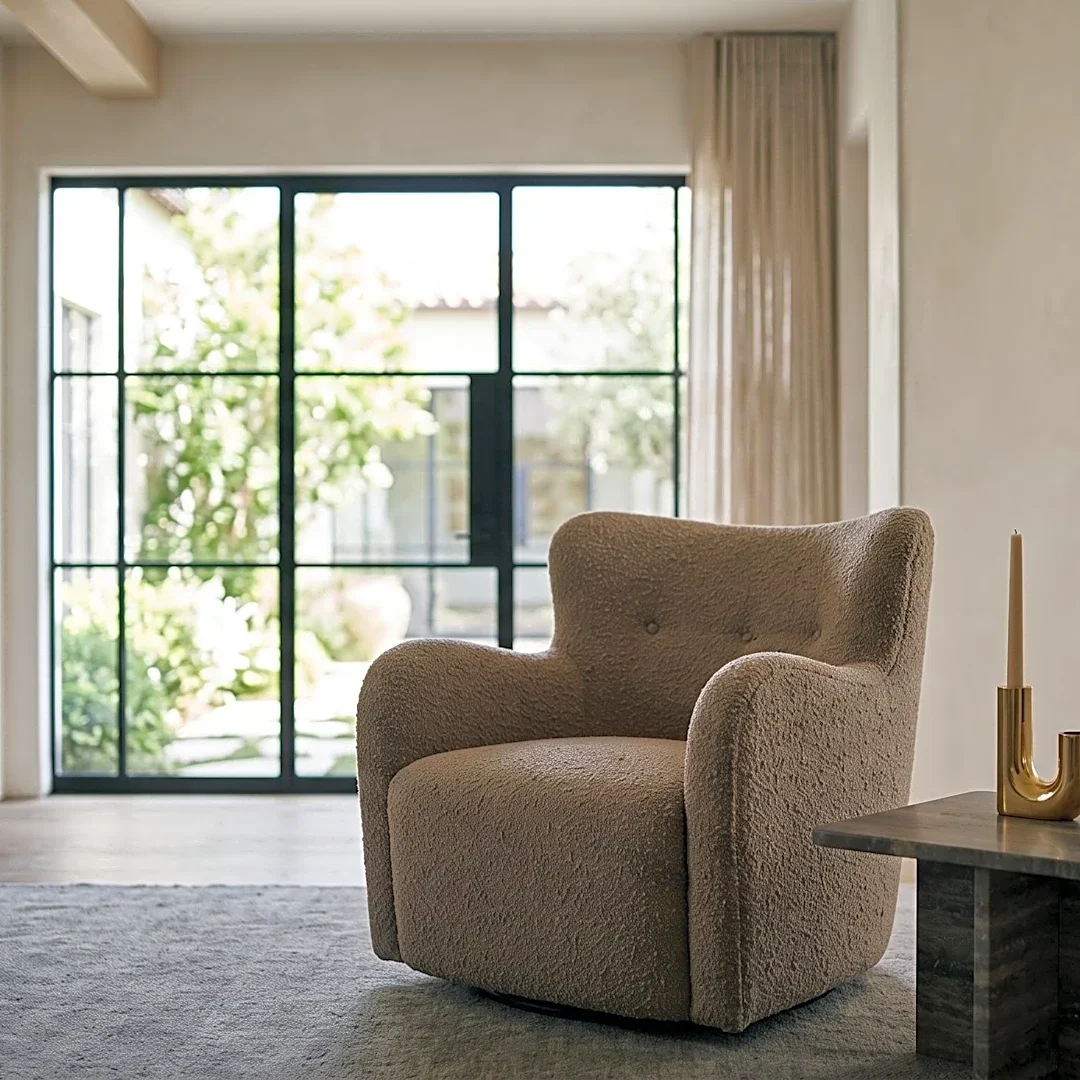
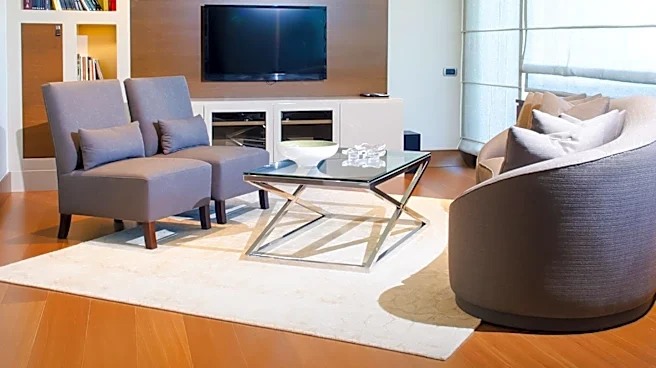
and combines it with Scandinavian design's focus on functionality and comfort. Key characteristics include a restrained material palette featuring pale to mid-toned wood, natural fibers like linen and cotton, and ceramics chosen for their texture. Furniture in Japandi design typically features clean lines and a low profile, reflecting traditional Japanese seating arrangements. The style aims to create interiors that are minimal yet warm, and cozy without being cluttered, by prioritizing meaningful and functional pieces over excessive decoration. The origins of Japandi can be traced back to the 19th century when Japanese art and design influenced European aesthetics, particularly during the Japonisme movement, which resonated with the developing Scandinavian emphasis on functional objects and natural materials.
Why It's Important?
The rise of Japandi design reflects a broader societal shift towards intentional living and a desire for calm, uncluttered environments in U.S. homes. This design philosophy offers an alternative to fast-changing trends, encouraging consumers to invest in quality, timeless pieces rather than disposable decor. For the U.S. interior design and furniture industries, this trend signifies a growing market for sustainable, handcrafted, and minimalist products. Businesses that can supply natural materials, low-profile furniture, and artisanal ceramics are likely to see increased demand. Furthermore, the emphasis on natural light and connection to nature within Japandi design aligns with growing environmental consciousness, potentially influencing architectural and urban planning to incorporate more natural elements and sustainable practices. This aesthetic can also impact mental well-being, as creating a peaceful home environment is increasingly recognized as crucial for reducing stress and promoting relaxation.
What's Next?
As Japandi gains traction, interior designers and retailers in the U.S. are expected to further integrate its principles into their offerings. We may see an increase in furniture lines featuring clean, low-profile designs and natural wood finishes, as well as a wider availability of textiles made from linen and cotton. Home decor stores are likely to stock more handcrafted ceramic pieces and minimalist decorative items. Educational resources and workshops on Japandi design principles could also become more prevalent, catering to homeowners and design enthusiasts looking to adopt this aesthetic. The style's focus on sustainability and longevity may also influence manufacturing processes, pushing for more ethically sourced materials and durable products. Additionally, the integration of smart home technology that complements a minimalist aesthetic, such as hidden controls and subtle lighting, could become a natural evolution of Japandi interiors.
Beyond the Headlines
Beyond its aesthetic appeal, Japandi design embodies a deeper cultural and philosophical integration that challenges conventional consumerism. By valuing imperfection (wabi-sabi) and functionality, it encourages a mindful approach to home decor, prompting individuals to consider the purpose and story behind each item. This could lead to a re-evaluation of what constitutes 'luxury' in home design, shifting from ostentatious displays to understated quality and craftsmanship. The style's emphasis on natural materials and connection to the outdoors also highlights a growing desire for biophilic design, which seeks to integrate natural elements into built environments to improve well-being. This could have long-term implications for urban development and architectural practices, fostering spaces that are not only aesthetically pleasing but also conducive to human health and environmental harmony. The blend of Eastern and Western design philosophies in Japandi also signifies a broader cultural exchange and appreciation for diverse aesthetic traditions.