





What's Happening?
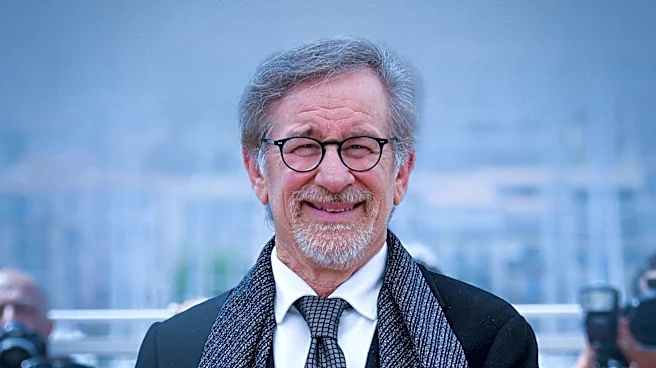
Steven Spielberg's film 'War Horse' (2011) adapts Michael Morpurgo's 1982 children's novel, which was inspired by the deep bond between a boy and his horse during World War I. Spielberg, initially uninterested in WWI films, was persuaded to direct after
Kathleen Kennedy brought the book and its successful 2007 stage play adaptation to his attention. The movie, which garnered six Oscar nominations including Best Picture, tells the story of Joey, a bay Irish Hunter bought by farmer Ted Narracott (Peter Mullan) and bonded with by his son Albert (Jeremy Irvine). Joey is tragically sold for service in WWI, leading to his journey through the war alongside other horses like Topthorn. The film portrays the hardships of war through the horses' experiences, including their encounters with various soldiers, such as Captain James Nicholls (Tom Hiddleston) and Major Jamie Stewart (Benedict Cumberbatch), and their eventual capture by German forces. Joey's path eventually leads him back to Albert, against all odds.
Why It's Important?
'War Horse' is important for its unique approach to depicting World War I, offering a perspective through the eyes of an animal. This narrative choice allows for a powerful exploration of the war's impact on individuals and the enduring bonds formed amidst chaos, without relying solely on human-centric combat narratives. The film's critical acclaim, including its Oscar nominations, highlights its artistic merit and its ability to convey profound emotional depth. For the U.S. audience, it provides a different lens through which to understand a pivotal historical conflict, emphasizing themes of resilience, loyalty, and the universal suffering caused by war. The film also showcases the often-overlooked role of animals in warfare, contributing to a more comprehensive historical understanding and fostering empathy for all beings affected by conflict.
What's Next?
As a critically acclaimed film, 'War Horse' will continue to be a significant work in Steven Spielberg's filmography and a reference point for war dramas. Its enduring presence on streaming platforms and in film education will ensure its themes and unique narrative perspective remain accessible to new generations. The film's success may also inspire future adaptations of historical events from non-human perspectives, encouraging innovative storytelling in Hollywood. Furthermore, 'War Horse' contributes to ongoing discussions about the ethical treatment of animals, particularly in contexts of conflict and labor, potentially influencing advocacy efforts and public awareness regarding animal welfare.
Beyond the Headlines
Beyond its narrative of a horse's journey through war, 'War Horse' delves into deeper implications concerning the nature of innocence, the brutality of conflict, and the universal search for connection. The film's PG-13 rating, despite depicting multiple casualties, underscores its ability to convey the horrors of war through emotional impact rather than explicit gore, making it accessible to a broader audience while still delivering a powerful message. The bond between Albert and Joey symbolizes an untainted connection that persists amidst the destruction, offering a poignant contrast to the senseless violence. This highlights the enduring human (and animal) capacity for love and loyalty even in the most dire circumstances. The film also subtly critiques the dehumanizing aspects of war by showing how both Allied and German soldiers, in moments of shared humanity, come together to help Joey, transcending nationalistic divides. This exploration of shared vulnerability and compassion in the face of adversity offers a timeless message about the potential for peace and understanding.