



What's Happening?
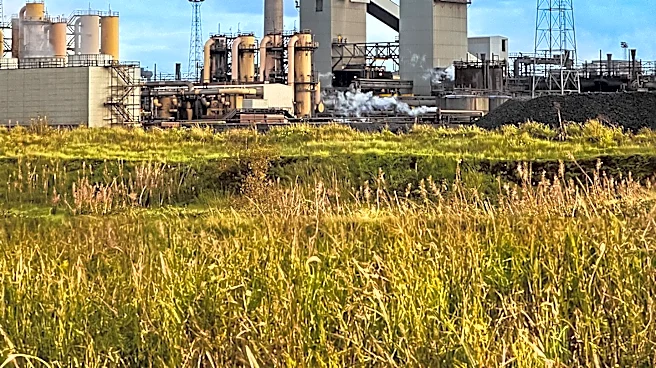
Oklahoma Chancellor of Higher Education Sean Burrage has highlighted the critical role the state’s higher education system will play in preparing the workforce for a proposed multibillion-dollar aluminum smelter in Inola. During an interview with Scott
Mitchell, Burrage emphasized the need for Oklahoma to develop specialized technical skills to meet the demands of this new industry. The facility is expected to create a wide range of jobs beyond traditional manufacturing, including positions for electricians, HVAC technicians, and engineers. Burrage believes this project could attract additional high-tech businesses to Oklahoma and stressed that preparing the future workforce requires improvements across the entire education system, starting from kindergarten, to ensure students possess foundational skills like literacy and adaptability.
Why It's Important?
The proposed Inola smelter represents a significant economic opportunity for Oklahoma, potentially bringing new jobs and industries to the state. However, its success hinges on the availability of a skilled workforce, making the role of the higher education system paramount. This initiative underscores the importance of aligning educational programs with industry needs to foster economic growth and attract investment. The focus on improving education from kindergarten through higher education reflects a long-term strategy to build a robust talent pipeline, which is crucial for sustaining economic development. If successful, this project could transform Oklahoma’s economy, diversify its industrial base, and enhance its reputation as a state capable of supporting high-tech manufacturing.
What's Next?
Burrage anticipates that state lawmakers will need to provide additional funding to support the necessary educational improvements and workforce training programs. Collaboration among K-12 schools, CareerTech programs, colleges, universities, and business leaders will be essential to develop curricula that meet the smelter’s specific requirements. If the project moves forward, it is expected to lead to more specialized education programs, attract new residents, and encourage other businesses to consider relocating to Oklahoma. Ongoing discussions about literacy and third-grade reading proficiency will continue, as these foundational skills are deemed vital for future workforce success. The state's ability to demonstrate an educated and healthy workforce will be key to attracting and retaining such large-scale investments.
Beyond the Headlines
This initiative goes beyond simply training workers for a single facility; it represents a strategic effort to future-proof Oklahoma’s economy. By emphasizing continuous learning and adaptability, the state aims to prepare its workforce for an evolving industrial landscape, not just current demands. The focus on early childhood education, particularly literacy, highlights a recognition that long-term economic competitiveness begins at the foundational levels of schooling. This holistic approach to workforce development could serve as a model for other states looking to attract major industrial investments. Furthermore, the project could foster a culture of innovation and specialized technical expertise within Oklahoma, potentially leading to a broader ecosystem of related industries and research opportunities.