




What's Happening?
The 1958 Hammer Films production of 'Dracula,' starring Christopher Lee and Peter Cushing, has been the subject of recent discussion, particularly regarding its restoration and critical interpretations. The film, which has been seen 'countless times'
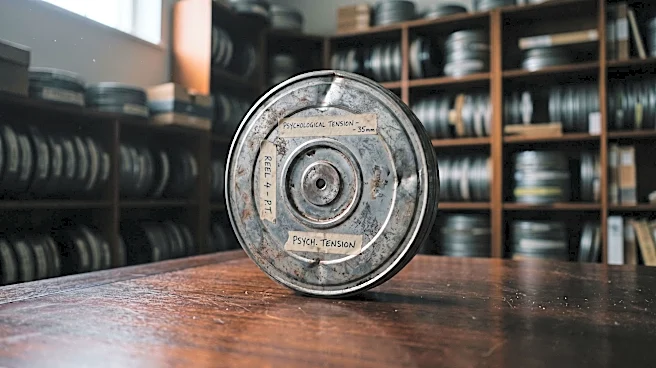
by some viewers, has undergone restoration efforts, including the reincorporation of footage from the Warner Bros. vaults, leading to a more complete rendering of the final disintegration scene. Debates have arisen regarding the authenticity of certain elements, such as a 'hair in the gate,' which a BFI film restorer argued was part of the original 1958 viewing experience. The film's script and direction are noted for prioritizing the 'logic of the image' over conventional narrative logic, a characteristic described as 'non-cartesian filmmaking' by Dario Argento. Despite budgetary limitations and a 'prosaic screenplay,' the film is praised for its 'visual poetry' and the performances of its lead actors.
Why It's Important?
The ongoing discussion and restoration of classic horror films like Hammer's 'Dracula' highlight the cultural significance of these works within the U.S. and international film landscape. For film archives and preservationists, these efforts ensure that cinematic history is maintained and made accessible to future generations. For the entertainment industry, the enduring appeal of these films can inspire new adaptations, remakes, and scholarly interest, contributing to the horror genre's continued evolution. The critical analysis of the film's narrative and visual style also offers insights into filmmaking techniques and audience reception, influencing contemporary cinematic approaches. The film's ability to evoke 'heightened shivers of aesthetic pleasure' underscores the powerful impact of horror on viewers.
What's Next?
Further restorations and re-releases of classic horror films are likely, driven by technological advancements and continued audience interest. Film scholars and critics will continue to analyze these works, potentially uncovering new interpretations and contributing to the academic discourse surrounding the horror genre. The influence of Hammer Films' 'Dracula' on modern horror cinema is expected to persist, with contemporary filmmakers drawing inspiration from its visual style and thematic elements. Special screenings and retrospectives of Hammer Films' work may also become more common, allowing new audiences to experience these influential movies in their restored forms.
Beyond the Headlines
The discussion surrounding 'Dracula' delves into the deeper implications of film preservation and the subjective nature of cinematic experience. The debate over the 'hair in the gate' illustrates the tension between historical accuracy and artistic intent in film restoration. Furthermore, the film's 'non-cartesian filmmaking' approach, prioritizing visual impact over strict narrative logic, challenges conventional storytelling and invites viewers to engage with cinema on a more visceral and emotional level. This approach can be seen as a precursor to more experimental forms of filmmaking, influencing how narratives are constructed and perceived. The film's exploration of themes like good versus evil, authority, and sexuality also offers a lens through which to examine societal values and anxieties of the mid-20th century.