







What's Happening?
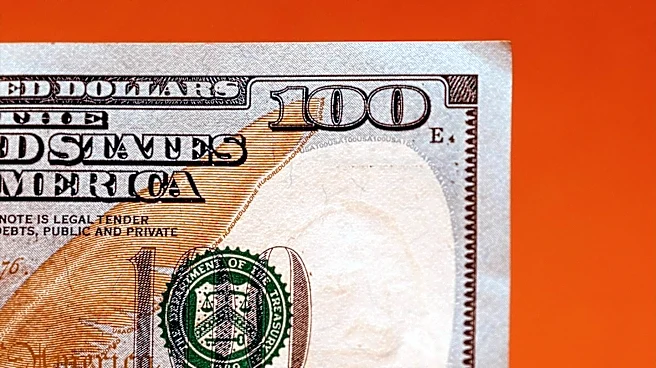
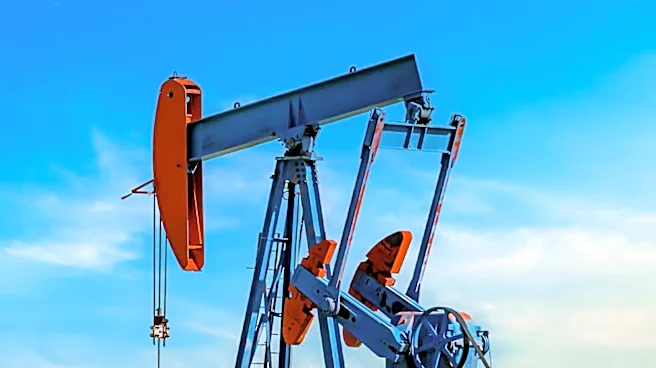
The U.S. dollar has shown a modest increase against most global currencies as tensions between the U.S. and Iran intensify. This development comes as oil prices rise, with Brent crude futures jumping 3.3% to $90.97 a barrel. The geopolitical tensions have
led investors to seek safe-haven assets, bolstering the dollar's position. The U.S. dollar index, which measures the greenback's strength against a basket of six currencies, rose by 0.1% to 100.84. The Australian dollar and New Zealand dollar both weakened against the U.S. dollar, with declines of 0.1% and 0.2% respectively. The escalation in the Middle East follows Iran's suspension of commitments under an interim peace deal, further straining market sentiment already affected by concerns over semiconductor valuations.
Why It's Important?
The strengthening of the U.S. dollar amidst rising geopolitical tensions highlights the currency's role as a global safe haven. This shift can impact international trade, as a stronger dollar makes U.S. exports more expensive and imports cheaper, potentially affecting the trade balance. Additionally, the rise in oil prices could lead to increased costs for industries reliant on oil, influencing inflation rates and consumer prices. The situation also underscores the interconnectedness of global markets, where geopolitical events can have widespread economic repercussions. Investors and policymakers will be closely monitoring these developments, as they could influence future monetary policy decisions, particularly in the context of ongoing inflation concerns.
What's Next?
As tensions between the U.S. and Iran continue, further fluctuations in currency and oil markets are expected. The Federal Reserve's upcoming meeting on July 29 will be closely watched, with current market expectations indicating a high probability of maintaining current interest rates. However, comments from Cleveland Fed President Beth Hammack suggest that a debate on potential rate hikes to combat inflation is likely. The outcome of this meeting could have significant implications for financial markets and economic policy. Additionally, any further escalation in the Middle East could lead to increased volatility in global markets, affecting investor confidence and economic stability.