







What's Happening?
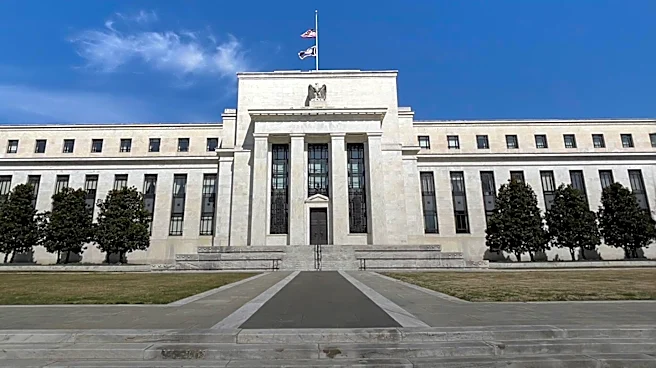
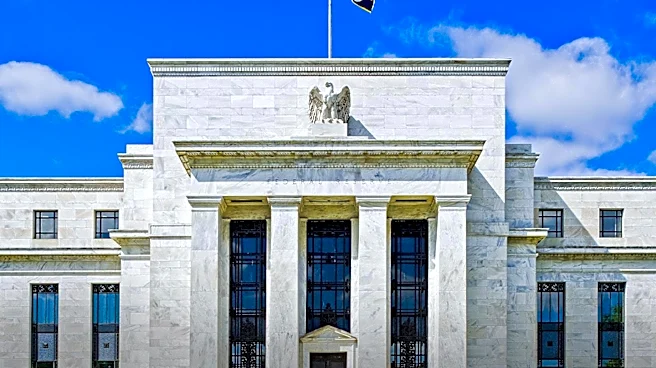
U.S. bond yields have spiked, with the 30-year Treasury yield surpassing 5%, the highest level since 2007. This increase follows the Federal Reserve's decision to keep interest rates unchanged, despite dissent from three of its 12 voting members who favored
a rate hike. The rise in bond yields is seen as a warning sign of inflationary pressures and economic uncertainty. Higher yields make bonds more attractive to investors seeking low-risk returns, potentially diverting capital away from stocks and other investments. The bond market's reaction reflects concerns about the Fed's ability to manage inflation and maintain economic stability.
Why It's Important?
The sharp rise in bond yields has significant implications for the U.S. economy and financial markets. Higher yields can lead to increased borrowing costs for businesses and consumers, affecting mortgages, corporate loans, and consumer credit. This could slow economic growth and impact investment decisions. The bond market's response indicates skepticism about the Fed's inflation management, which could influence future monetary policy decisions. Additionally, the interconnectedness of global financial markets means that these developments could have international repercussions, affecting foreign exchange rates and economic conditions in other countries.
What's Next?
Investors and policymakers will be closely watching the Fed's next moves, particularly any indications of future interest rate changes. The central bank's ability to address inflation concerns will be critical in maintaining market confidence. If inflationary pressures persist, the Fed may face pressure to raise rates sooner than anticipated. The situation also highlights the importance of clear communication from the Fed to manage market expectations and mitigate potential economic disruptions. As the economic landscape evolves, stakeholders will be assessing the broader implications of these developments on financial stability and economic growth.