




What's Happening?
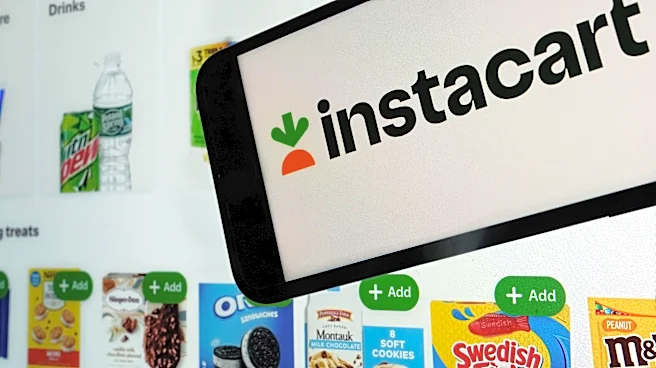
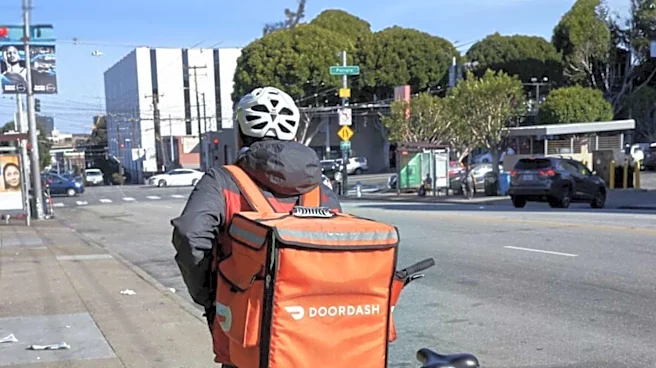
DoorDash has announced its intention to acquire Instacart in a deal valued at approximately $17 billion. This acquisition marks DoorDash's largest to date and is aimed at significantly expanding its presence in the rapidly growing U.S. grocery delivery
market. The deal will allow DoorDash to move beyond its primary restaurant delivery service into groceries and other retail categories, positioning it to compete more effectively with major retailers like Walmart and Amazon. Instacart shareholders are being offered $65 per share, representing a 26% premium over the stock's closing price on October 22, before news of the deal talks emerged. Shareholders can elect to receive cash, DoorDash stock, or a combination, with at least 75% of the consideration being cash. The transaction is anticipated to close by the end of 2027 or the first half of 2028.
Why It's Important?
This acquisition is significant for the U.S. delivery industry as it signals a major consolidation in the app-based platform sector. For DoorDash, it provides a substantial boost in scale and diversification, crucial as the restaurant delivery market matures. By integrating Instacart's established grocery delivery network, DoorDash can tap into a higher-value, more frequent order segment, potentially increasing its revenue streams and customer base. The move also intensifies competition with e-commerce giants that have robust delivery infrastructures. Consumers stand to benefit from potentially more integrated and convenient delivery options, especially as factors like rising gasoline prices make in-store shopping less appealing. However, the deal also raises concerns about corporate consolidation, as highlighted by the New York City's Department of Consumer and Worker Protection, which could lead to reduced competition in the long run.
What's Next?
The proposed acquisition faces a lengthy regulatory review process, with analysts from CFRA Research noting that the extended timeline for closing (end of 2027 or first half of 2028) suggests both companies anticipate an extensive antitrust examination. The current regulatory environment is considered favorable, but changes in policy could impact the deal's approval. DoorDash plans to maintain Instacart's brand and application post-acquisition and intends to combine their membership programs. The company has also pledged not to require grocers to use its delivery services exclusively. Should the deal be terminated under certain circumstances, Instacart would owe DoorDash a $650 million termination fee, while DoorDash would pay $1.25 billion. The outcome of the regulatory review will determine the future landscape of the U.S. grocery and retail delivery market.
Beyond the Headlines
This merger highlights a broader trend of consolidation within the gig economy and delivery services, driven by slowing growth in core segments and increasing operational costs. The emphasis on grocery delivery reflects a strategic shift towards essential services that offer higher frequency and value, moving beyond the discretionary nature of restaurant orders. The regulatory scrutiny the deal will face underscores growing concerns about market concentration and its potential impact on competition, consumer choice, and the treatment of gig workers. The long-term implications could include fewer independent delivery platforms, potentially leading to less competitive pricing or altered service terms for both consumers and businesses. The integration of membership programs also suggests a move towards creating more comprehensive, 'super-app' like platforms that cater to a wider range of consumer needs.