






What's Happening?
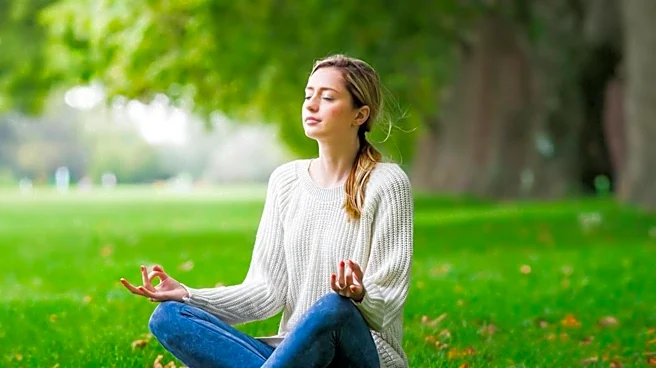
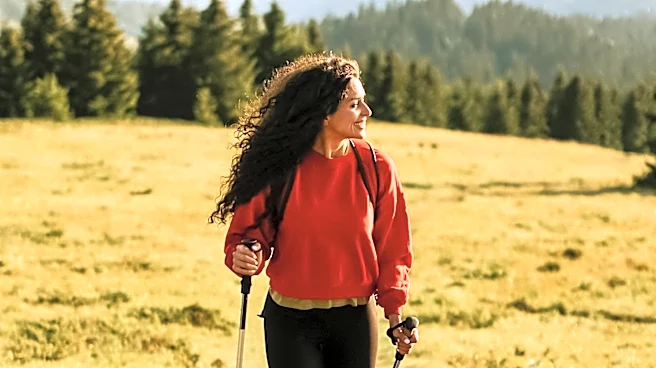
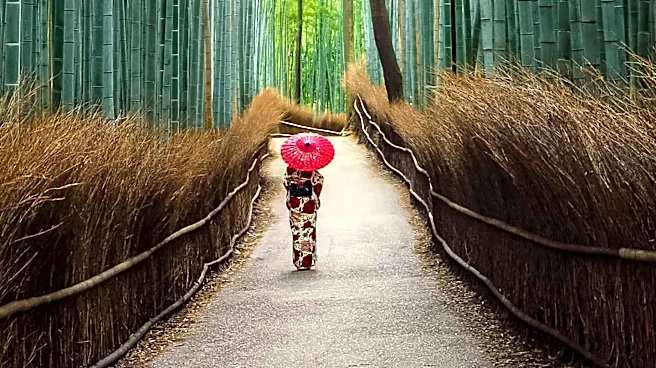
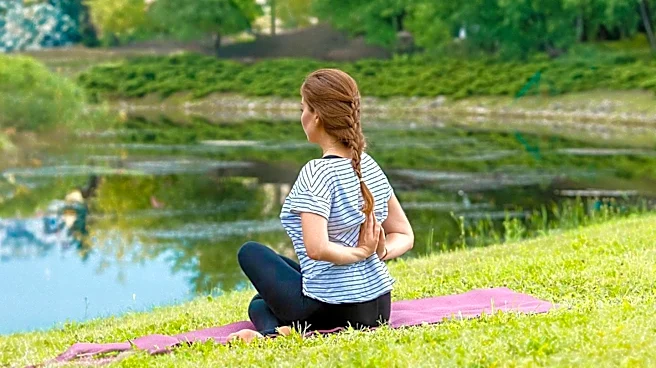
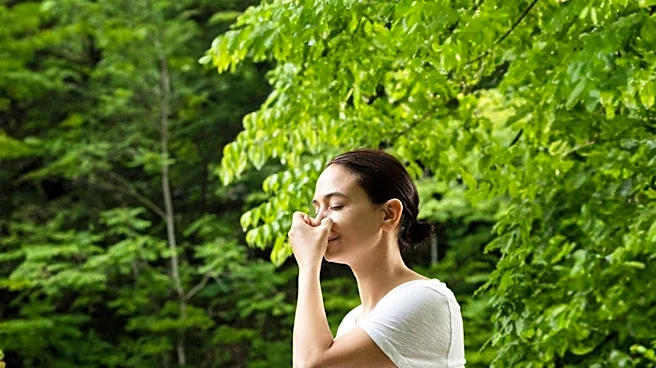
Eco-therapy, also known as nature therapy, is gaining recognition as an effective approach to enhance mental well-being and physical health. This therapeutic method involves engaging in various outdoor activities designed to foster a deep connection with
nature. The core principle is that interaction with natural environments can significantly contribute to an individual's psychological and physical health. Activities can range from guided walks and gardening to more structured wilderness programs, all aimed at leveraging the restorative power of the outdoors. This approach offers a refreshing alternative or complement to traditional therapeutic methods, emphasizing the benefits of natural settings for stress reduction, mood improvement, and overall mental resilience. The focus is on creating an immersive experience that encourages mindfulness and a sense of belonging within the natural world, providing a holistic pathway to improved health.
Why It's Important?
The growing emphasis on eco-therapy highlights a significant shift in understanding mental health, moving beyond conventional clinical settings to incorporate environmental factors. This approach is particularly important in the U.S. given rising rates of stress, anxiety, and other mental health challenges, coupled with increasing urbanization and disconnection from nature. By promoting outdoor engagement, eco-therapy can offer accessible and cost-effective interventions, potentially reducing the burden on traditional healthcare systems. It also underscores the broader societal value of preserving natural spaces, as these environments are increasingly recognized as vital for public health. For individuals, it provides a proactive way to manage mental health, fostering self-reliance and a deeper appreciation for the environment. This trend could influence public policy towards urban planning that integrates green spaces and healthcare initiatives that include nature-based prescriptions, benefiting both individuals and environmental conservation efforts.
What's Next?
The future of eco-therapy in the U.S. is likely to see increased integration into mainstream mental health practices and public health initiatives. We can anticipate more research into its efficacy, leading to standardized programs and certifications for eco-therapists. There may be a push for healthcare providers to 'prescribe' nature-based activities, potentially covered by insurance, as evidence of its benefits accumulates. Educational institutions might begin offering specialized training in eco-therapy, expanding the workforce capable of delivering these services. Furthermore, urban development projects could increasingly prioritize the creation and accessibility of green spaces, recognizing their therapeutic value. Advocacy groups are expected to continue promoting the mental health benefits of nature, influencing policy-makers to invest in parks, trails, and conservation efforts as essential public health infrastructure. This will likely lead to a broader societal acceptance and utilization of nature as a powerful tool for healing and well-being.
Beyond the Headlines
Beyond its immediate therapeutic benefits, eco-therapy touches upon deeper ethical and cultural dimensions. It challenges the anthropocentric view of nature, encouraging a more symbiotic relationship between humans and the environment. This approach can foster a sense of environmental stewardship, as individuals who experience healing through nature may become more inclined to protect it. Culturally, it represents a return to traditional wisdom that recognized the healing power of the earth, re-integrating ancient practices with modern psychological understanding. Legally, the recognition of eco-therapy could lead to new frameworks for environmental protection, where access to nature is considered a fundamental aspect of human health and well-being. It also raises questions about equitable access to natural spaces, highlighting disparities in urban and rural areas and prompting discussions on environmental justice. Ultimately, eco-therapy could catalyze a broader societal re-evaluation of our relationship with the planet, moving towards a more sustainable and mentally healthy future.