




What's Happening?
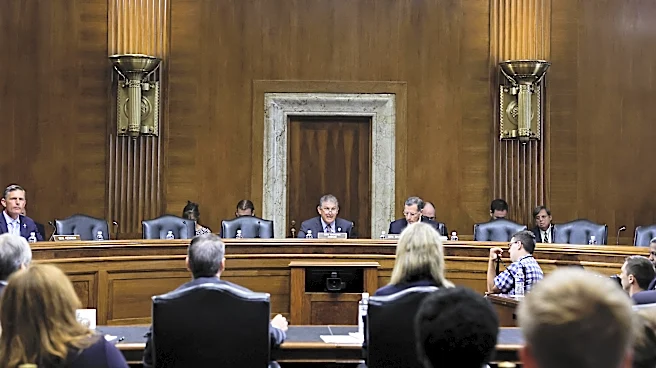
UnitedHealth Group CEO Andrew Witty testified before the US Senate in May 2024 regarding a significant cybersecurity breach. According to Witty's testimony, attackers gained unauthorized access to a Change Healthcare remote desktop portal on February
12. The critical vulnerability that facilitated this breach was the absence of multifactor authentication (MFA) on the portal. Following the initial compromise, ransomware was deployed nine days later, indicating a sophisticated and persistent attack. This incident highlights the severe consequences of inadequate security protocols, particularly the lack of MFA, which is a fundamental layer of defense against credential-based attacks. The testimony underscored the need for organizations to meticulously inventory all remote entry points, enforce robust sign-in policies, and actively investigate suspicious access attempts post-login to prevent similar breaches.
Why It's Important?
This cybersecurity incident involving UnitedHealth Group and Change Healthcare carries significant implications for the U.S. healthcare sector and broader business community. The compromise of a major healthcare provider's systems can disrupt critical services, compromise sensitive patient data, and lead to substantial financial losses. The lack of multifactor authentication, as highlighted by CEO Witty, represents a common yet critical security oversight that many organizations, including those in vital sectors, may still possess. This event serves as a stark reminder that even large, well-resourced entities are vulnerable to basic security failures. For U.S. businesses, it emphasizes the urgent need to review and strengthen their cybersecurity postures, especially concerning remote access points and legacy systems. The incident also underscores the potential for regulatory scrutiny and increased pressure on companies to adopt more stringent security measures, impacting compliance costs and operational strategies across industries.
What's Next?
Following the testimony, it is highly probable that there will be increased scrutiny from regulatory bodies and lawmakers on cybersecurity practices within the healthcare industry and other critical infrastructure sectors. Companies may face enhanced requirements for implementing multifactor authentication and other robust security protocols, potentially leading to new legislation or updated industry standards. UnitedHealth Group will likely continue to invest heavily in fortifying its cybersecurity defenses and addressing the aftermath of the ransomware attack, including potential data recovery efforts and customer notifications. Other organizations are expected to conduct internal audits of their remote access systems and authentication methods to prevent similar vulnerabilities. The incident could also spur further collaboration between government agencies and private sector entities to share threat intelligence and develop more resilient cybersecurity frameworks.
Beyond the Headlines
The UnitedHealth Group breach transcends a typical cybersecurity incident, revealing deeper systemic challenges within the digital infrastructure of critical sectors. The reliance on legacy systems and the slow adoption of essential security measures like multifactor authentication expose a significant gap between technological advancement and security implementation. This incident could trigger a re-evaluation of the 'shared responsibility model' in cloud and remote access environments, prompting clearer definitions of accountability between service providers and their clients. Furthermore, the attack highlights the evolving nature of cyber threats, where initial credential compromise can quickly escalate to widespread ransomware deployment. This necessitates a shift from reactive incident response to proactive threat intelligence and continuous security posture management, potentially leading to a cultural change in how U.S. businesses perceive and prioritize cybersecurity investments.