






What's Happening?
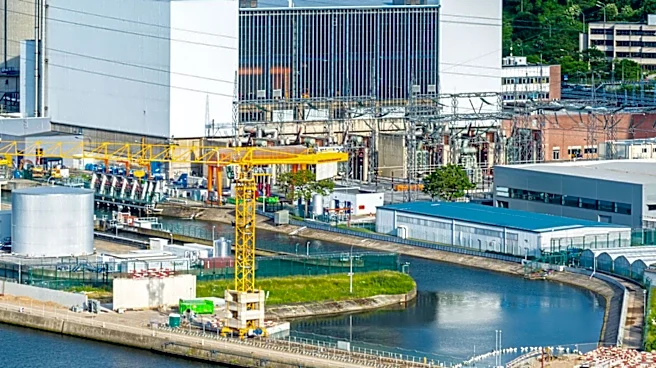
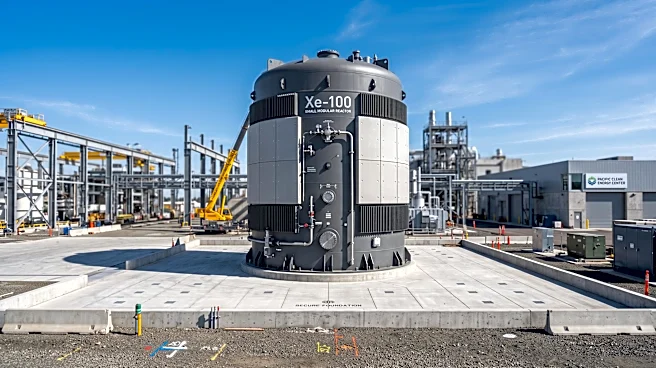
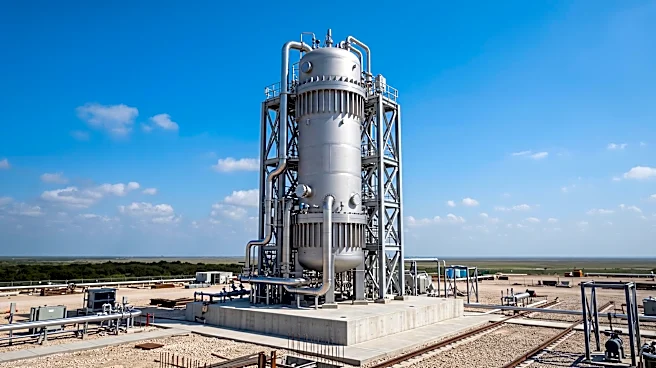
The U.S. Nuclear Regulatory Commission (NRC) has issued a construction permit for the Long Mott Generating Station, a project involving four Xe-100 small modular reactors (SMRs) designed by X-energy. The plant is planned for Dow’s Seadrift site on the Texas
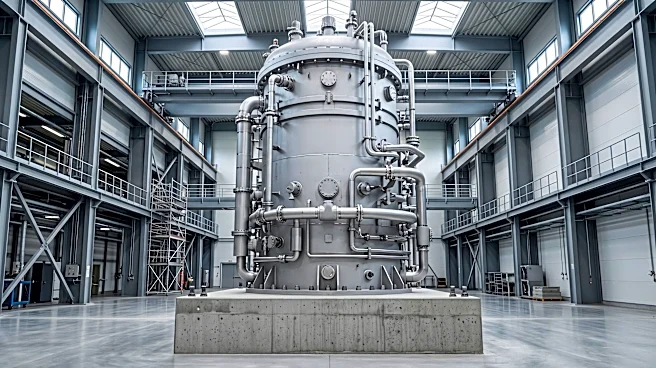
Gulf Coast. Each reactor is designed to produce 80 megawatts of electricity, totaling 320 megawatts. In addition to electricity, the facility will supply high-temperature steam for chemical production, aiming to replace aging fossil-fueled energy and steam assets at the site. Long Mott Energy, a Dow subsidiary, is the applicant, with X-energy leading technology and licensing efforts. This marks the third NRC construction permit for a commercial SMR project this year, following reforms passed by Congress to expedite regulatory processes. According to X-energy, this is the first construction permit for a high-temperature gas-cooled reactor in the U.S. in nearly 60 years, the first for a pebble-bed reactor, and the first for an advanced nuclear plant at an industrial site. The Xe-100 uses helium cooling and TRISO fuel, which encases uranium in tiny particles with multiple protective coatings. The plant's emergency planning zone is significantly smaller than conventional light-water reactors, extending only 400 meters.
Why It's Important?
This construction permit represents a significant milestone for the U.S. nuclear industry and the broader energy sector. The deployment of SMRs like the Xe-100 offers a pathway to decarbonize industrial processes and enhance energy independence. For Dow, integrating SMRs into its Seadrift facility could provide a stable, low-carbon energy source for its chemical production, reducing reliance on fossil fuels and potentially lowering operational costs in the long term. The smaller emergency planning zone of the Xe-100 could also make nuclear power more palatable for communities and industrial sites, addressing some of the public perception challenges associated with traditional large-scale nuclear plants. The NRC's expedited review process, completing its assessment within 18 months, signals a more efficient regulatory environment for advanced nuclear technologies, which could accelerate future SMR deployments across the nation. This development also highlights the U.S. Department of Energy’s Advanced Reactor Demonstration Program (ARDP), which provides substantial federal support, with X-energy set to receive approximately $2.15 billion for this plant and a fuel fabrication facility, underscoring the government's commitment to fostering advanced nuclear solutions.
What's Next?
While the construction permit is a crucial step, the actual operation of the Seadrift plant is still several years away. The earliest completion date set by the construction permit is July 1, 2033, with X-energy projecting the early 2030s. Dow plans to consider a preliminary investment decision in 2027, and full construction will only commence after a final investment decision. Following construction, the plant will require a separate NRC operating license, which typically takes about 18 months to review. Once operational, the four reactors are expected to function for 60 years. Dow's cautious approach, emphasizing competitiveness, execution readiness, and capital affordability, indicates that the project's future hinges on favorable economic conditions and a robust financial commitment. The project's cost remains undisclosed by Dow and X-energy, though it is described as a multibillion-dollar endeavor, with federal support covering a portion. The success of this project could pave the way for other industrial applications of SMRs and influence investment decisions in similar advanced nuclear technologies.
Beyond the Headlines
The approval of the Xe-100 SMRs at an industrial site signifies a potential paradigm shift in how nuclear energy is integrated into the U.S. industrial landscape. Unlike traditional nuclear power plants that primarily serve the grid, this project's dual purpose of electricity generation and high-temperature steam production for chemical processes demonstrates the versatility of SMR technology. This could lead to a broader adoption of nuclear energy in hard-to-decarbonize sectors, offering a stable and emissions-free alternative to fossil fuels for industrial heat and power. The use of advanced TRISO fuel and helium cooling in the Xe-100 design also points to enhanced safety features and operational flexibility compared to older reactor designs. However, the historical challenges faced by earlier high-temperature gas-cooled reactors, such as funding and technical problems, highlight the importance of robust project management and sustained financial backing for the long-term success of this new generation of SMRs. The cautious stance of investors, reflected in X-energy's stock performance since its IPO, underscores the need for successful demonstration and operational proof points to build confidence in the commercial viability of these advanced nuclear technologies.